Welcome to the world of effortless culinary delights, where delicious meals come to life with minimal fuss. As your dedicated Slow Cooker expert from Reviewhalloo.com, I’ve spent over 15 years immersed in the art and science of slow cooking, constantly exploring ways to bring wholesome, flavorful food to your table. Today, we’re diving into a particular gem that’s not just a workhorse in the kitchen, but a style statement too: the White Slow Cooker. This isn’t just about cooking; it’s about transforming your kitchen into a haven of modern elegance, all while saving you precious time and serving up nourishing meals.
The Enduring Charm of Slow Cookers: More Than Just a Pot
At its core, a slow cooker is a magical countertop appliance designed to cook food gently and evenly over several hours. Think of it as your kitchen’s patient friend, slowly simmering ingredients to perfection while you go about your day. The science is simple yet brilliant: a heated base surrounds a ceramic or metal insert, maintaining a consistent, low temperature. This moist heat breaks down tough fibers in meats and vegetables, tenderizing them beautifully and infusing every bite with deep, complex flavors.
The benefits extend far beyond just taste. In our busy modern lives, a slow cooker becomes an indispensable ally. It’s a champion of time-saving, allowing you to prep your ingredients in the morning and return home to a ready-to-eat dinner. It’s also incredibly budget-friendly, making cheaper cuts of meat incredibly tender and delicious, transforming humble ingredients into gourmet-level dishes. Plus, this gentle cooking method helps retain valuable nutrients, making slow-cooked meals not just convenient but also highly nutritious. It’s about enjoying comforting, homemade food without being chained to the stove.
The Allure of White: Why Your Kitchen Needs a White Slow Cooker
Now, let’s talk aesthetics. In a world brimming with stainless steel and black appliances, a white slow cooker stands out as a beacon of fresh, clean design. Choosing a white slow cooker isn’t just a practical decision; it’s a statement. Its bright, crisp finish instantly elevates your kitchen’s ambiance, creating a sense of spaciousness and purity. Whether your kitchen boasts minimalist lines, a rustic farmhouse charm, or a sleek contemporary vibe, a white slow cooker seamlessly integrates, acting as a versatile accent piece. It’s timeless, elegant, and always in style, making it a perfect match for virtually any decor scheme. It doesn’t just cook your food; it complements your home.
Decoding Your Dream White Slow Cooker: A Buyer’s Guide
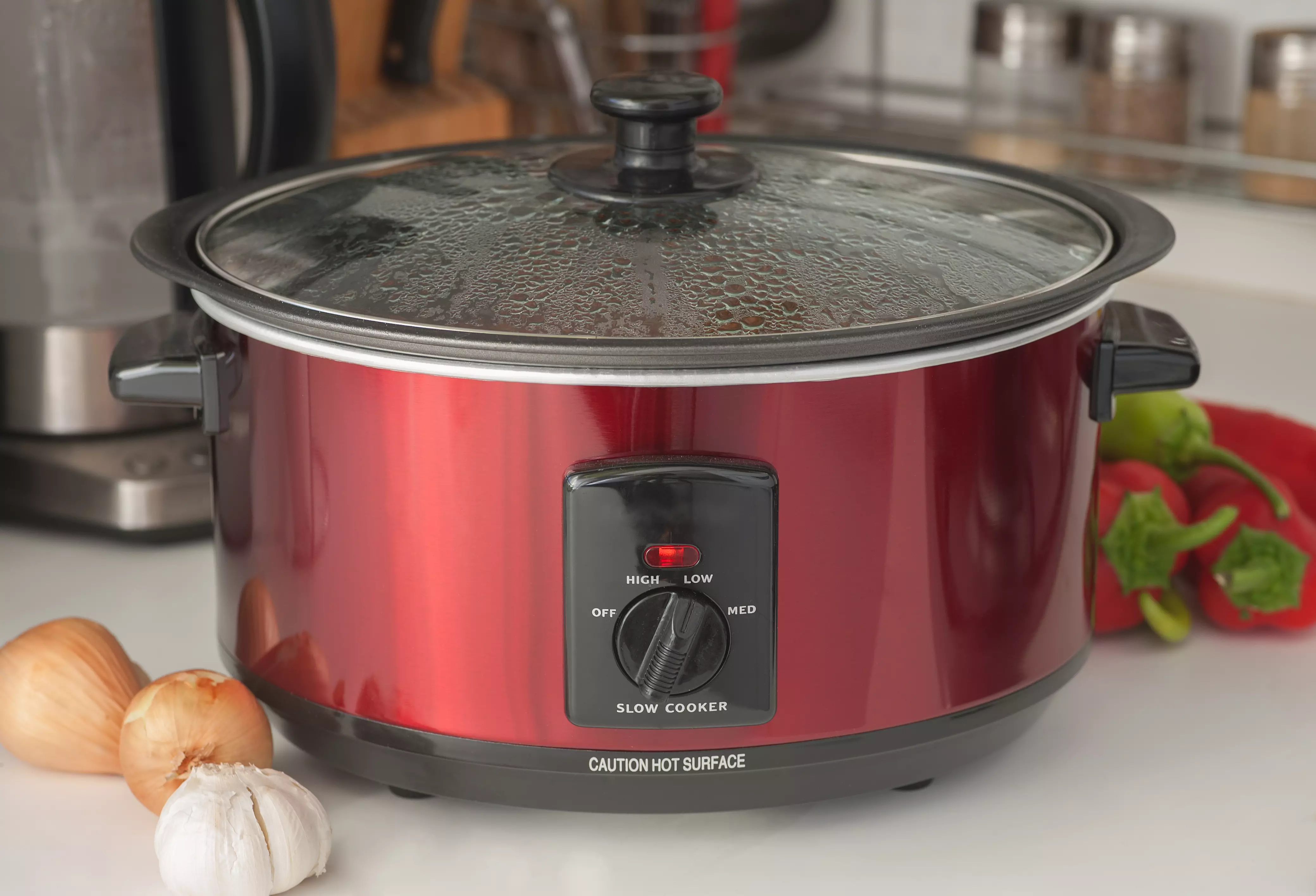
Selecting the right white slow cooker means balancing aesthetic appeal with practical functionality. With so many options available, here’s what to consider to find your perfect match:
What capacity do I need?
The ideal capacity depends on your household size and cooking habits. For individuals or couples, a compact 1.5 to 3-quart white slow cooker is perfect for smaller meals, warm dips, or side dishes. Families of four to six will find a 4 to 6-quart model to be just right for most everyday recipes, accommodating anything from a hearty stew to a small roast. If you love to batch cook, host dinner parties, or prepare large cuts of meat, a generous 7-quart or larger white slow cooker will be your best friend. Remember, a slow cooker performs best when it’s between half and three-quarters full.
What’s the best shape for my cooking?
Slow cookers typically come in two shapes: round and oval. Round white slow cookers are excellent for soups, stews, and baking, fitting neatly into smaller spaces. Oval white slow cookers, on the other hand, are designed to accommodate larger items like whole chickens, briskets, or racks of ribs, making them incredibly versatile for family-sized meals. Consider what you cook most often to determine the best shape for your needs.
What about the insert material?
Most slow cooker inserts are made from ceramic (often called stoneware) or metal. Ceramic inserts are excellent at distributing and retaining heat evenly, ensuring your food cooks thoroughly. They are typically heavier and can be more prone to cracking if subjected to sudden temperature changes. Metal inserts, often aluminum or steel with a non-stick coating, are lighter and more durable. Some metal inserts are even stovetop-safe, allowing you to sear meats or sauté vegetables directly in the pot before slow cooking, which saves on washing extra pans.
What features should I look for in a white slow cooker?
Modern white slow cookers come packed with features that enhance convenience and control:
- Programmable Timers: These are a game-changer! Set your desired cooking time, and many models will automatically switch to a “keep warm” setting once cooking is complete, ensuring your meal is ready when you are. Some even offer a “delay start” feature, allowing you to defer cooking for a few hours.
- Digital Displays: While aesthetically pleasing, ensure the digital display is clear and easy to read, especially on white models where contrast can sometimes be an issue. You want to avoid guessing your cooking time!
- Lid Features: A tempered glass lid is essential, allowing you to monitor your food without lifting it and losing precious heat. Look for models with a secure-fitting lid to minimize heat and moisture loss, and a lid holder can be a thoughtful addition for serving.
- Cool-Touch Handles: These are vital for safely moving your hot slow cooker from counter to table.
- Portability: If you plan to transport your slow-cooked meals to potlucks or gatherings, look for models with locking lids and sturdy handles.
- Multi-Cooker Functionalities: Some advanced white slow cookers offer more than just slow cooking. Features like searing, sautéing, steaming, or even sous vide capabilities can expand your culinary horizons and reduce the need for multiple appliances.
As Chef Anya Sharma, a renowned culinary innovator, often says, “A white slow cooker isn’t just an appliance; it’s a canvas for your culinary creativity. Its clean aesthetic encourages a fresh approach to meal prep, blending seamlessly into any kitchen while delivering delicious, hands-off results.”
Mastering the Art of Slow Cooking with Your White Appliance
Getting the most out of your white slow cooker means understanding a few fundamental techniques:
- Preheating is Key: While not always strictly necessary, preheating your slow cooker (if recommended by the manufacturer) can help it reach the desired cooking temperature faster, ensuring even cooking from the start.
- Resist the Urge to Peek: Every time you lift the lid, you lose a significant amount of heat, extending your cooking time by 20 to 30 minutes. Trust the process and let your white slow cooker do its job undisturbed.
- Browning Adds Depth: For meats, especially beef and pork, a quick sear in a separate pan (or directly in a stovetop-safe slow cooker insert) before adding them to the slow cooker can significantly enhance flavor and create a rich, caramelized crust.
- Mind Your Liquids: Slow cookers retain moisture exceptionally well, so you often need less liquid than traditional stovetop or oven recipes. Generally, fill your slow cooker between half and three-quarters full for optimal results.
- Low and Slow for Best Results: The “low” setting is typically recommended for longer cooking times, ensuring maximum flavor development and tenderness. The “high” setting cooks faster but is still slower than conventional methods. Avoid using the “warm” setting for actual cooking, as it’s designed only to keep food at a safe serving temperature.
For consistent results, chop all your vegetables into similar-sized pieces to ensure they cook evenly. Add delicate ingredients like fresh herbs, dairy products, or quick-cooking vegetables like spinach towards the end of the cooking cycle to prevent them from becoming overcooked or curdling. If you’re adapting a recipe, scale down the ingredients to fit your slow cooker’s size, but generally, the cooking times will remain similar.
Popular Dishes for Your White Slow Cooker: Endless Inspiration
Your white slow cooker is capable of creating an astounding array of dishes, making it a versatile staple in any kitchen. Imagine coming home to the comforting aroma of:
- Hearty Stews and Chilis: Classic beef stew, chicken chili, or a rich vegetarian bean chili, slow-cooked to perfection, are absolute crowd-pleasers.
- Tender Roasts: Whether it’s a succulent pork shoulder, a fall-apart beef roast, or a perfectly moist whole chicken, your slow cooker delivers incredibly tender results with minimal effort.
- Flavorful Soups: From creamy potato soup to robust minestrone, slow cooking concentrates flavors, making every spoonful a delight.
- Mouth-watering Pulled Meats: Pulled pork sandwiches or shredded chicken tacos become effortless when the meat is slow-cooked until it easily shreds with a fork.
- Even Desserts! Don’t forget sweet treats like apple cobbler, bread pudding, or rich chocolate molten cake – yes, your white slow cooker can handle those too!
These dishes aren’t just easy; they embody the true spirit of comfort food, prepared with love and the magic of slow cooking.
Keeping Your White Slow Cooker Spotless: Care and Maintenance
Maintaining the pristine appearance of your white slow cooker is simpler than you might think. Regular care ensures its longevity and keeps it looking elegant on your countertop.
Daily Cleaning:
For everyday cleaning, always unplug your slow cooker and allow it to cool completely before handling. Most removable stoneware or ceramic pots and tempered glass lids are dishwasher-safe, offering ultimate convenience. If hand-washing, use warm, soapy water and a soft sponge or cloth. Avoid abrasive cleaners or scouring pads, as these can scratch the surface of your pot or lid. For stubborn food residue, a rubber spatula can gently scrape away stuck-on bits without damage. Never immerse the heating base in water, as it contains electrical components. Simply wipe the exterior with a damp cloth and mild detergent, then dry thoroughly.
Deep Cleaning for Stains and Mineral Deposits:
Over time, even with regular cleaning, you might notice stubborn stains or a white, chalky residue inside your ceramic pot. This residue is usually caused by mineral deposits like calcium from water or ingredients. Here’s a simple, expert-approved deep-cleaning method:
- The Self-Cleaning Hack: Fill your cool slow cooker insert with water just above the food line. Add 1/2 cup of distilled white vinegar (for a 3-quart cooker) or 1 cup (for a 6-quart cooker). Slowly pour in an equal amount of baking soda; allow the fizzing to subside. Cover and set your white slow cooker to “LOW” for 1 to 4 hours. This gentle heat and chemical reaction will loosen most stuck-on food and stains. Once cooled, simply empty, wash with warm soapy water, and rinse.
- Addressing White Residue: For those persistent white mineral spots, a solution of equal parts white vinegar and water wiped with a soft cloth will usually dissolve them. Rinse well and dry.
Tackling Odors:
Sometimes, strong-smelling foods like curries or stews can leave lingering odors in the silicone seal around the lid. To remove these, gently remove the silicone seal (if detachable) and soak it in a solution of 1 tablespoon of regular strength liquid bleach per gallon of warm tap water for about 3 hours. Rinse thoroughly, wipe dry, and allow it to air dry completely before reattaching to the lid.
Slow Cooker vs. Other Cooking Methods: Why Slow Cooking Reigns Supreme
In today’s kitchen, we have a plethora of appliances. So, why choose a white slow cooker over, say, an Instant Pot or conventional oven? While an Instant Pot (or pressure cooker) offers speed, the slow cooker excels in its “set-it-and-forget-it” convenience and ability to develop deep, nuanced flavors over time. There’s a certain magic in leaving food to gently simmer, allowing ingredients to meld and tenderize in a way that rapid pressure cooking simply can’t replicate.
Compared to traditional oven or stovetop cooking, your white slow cooker is a champion of energy efficiency, often using less power than a full-sized oven. More importantly, it offers unparalleled hands-off cooking, freeing you to focus on other tasks, spend time with family, or simply relax, knowing a delicious meal is steadily preparing itself. It’s about achieving that rich, slow-cooked taste without the constant monitoring or extensive active cooking time, truly embracing the modern, busy lifestyle.
Frequently Asked Questions (FAQ)
Can I put frozen meat in a white slow cooker?
While some newer slow cookers have specific defrost settings, it is generally recommended to thaw frozen meat completely before adding it to your slow cooker. This ensures the meat cooks safely and evenly, preventing it from spending too much time in the “danger zone” where bacteria can multiply.
How full should a slow cooker be?
For optimal performance and food safety, your slow cooker should be at least half full but no more than two-thirds to three-quarters full. Too little food can lead to overcooking, while overfilling can result in uneven cooking and spills.
Is it safe to leave a slow cooker on all day?
Yes, modern slow cookers are designed with safety in mind and can typically be left on the “low” setting for 6-8 hours or “high” for 3-4 hours, and then automatically switch to “warm.” Always follow the manufacturer’s guidelines for your specific model. Ensure it’s on a stable, heat-resistant surface away from flammable materials.
How do I prevent food from burning on the bottom?
Burning on the bottom can occur if there isn’t enough liquid, or if the heat is too high for too long. Ensure your recipe has sufficient liquid, and consider using the “low” setting for longer cooks. Some also suggest lightly greasing the bottom of the insert to help prevent sticking.
What’s the difference between “Low” and “High” settings?
Both “Low” and “High” settings reach the same maximum temperature, but the “High” setting gets there in about half the time. For example, 1 hour on “High” is roughly equivalent to 2-2.5 hours on “Low.” For best results and maximum tenderness, especially for meats, the “Low” setting is often preferred for its longer, gentler cooking time.
Embrace the Art of Slow Cooking with Style
A white slow cooker is more than just a kitchen appliance; it’s an invitation to a more relaxed, flavorful way of life. It’s the perfect blend of timeless aesthetics and practical innovation, allowing you to create incredible meals with minimal effort, all while enhancing the beauty of your kitchen. From hearty stews to elegant roasts, your white slow cooker empowers you to nourish your family and impress your guests, becoming an indispensable part of your culinary journey. So, go ahead, choose your favorite recipe, set your stylish white slow cooker, and savor the luxury of coming home to a delicious, home-cooked meal. Discover the joy and ease that a white slow cooker brings to your modern, busy lifestyle.