Hello there, fellow food enthusiasts! As someone who has spent over 15 years immersed in the wonderful world of slow cooking, developing recipes, and understanding every nuance of these incredible kitchen companions, I’m thrilled to dive into a topic that often sparks a bit of confusion: Slow Cooker Wattage. We’re not just talking about a number on a label; we’re talking about the silent force that transforms humble ingredients into comforting, flavorful meals, all while simplifying your time in the kitchen. Understanding the slow cooker wattage of your appliance is key to unlocking its full potential, ensuring optimal cooking results, and even managing your household energy consumption.
What Exactly is Slow Cooker Wattage?
At its core, “wattage” is a measurement of electrical power, indicating how much electricity your slow cooker consumes when it’s actively running. Think of it as the engine power of your slow cooker. A higher wattage means the heating element can draw more electricity, allowing it to heat up faster and maintain temperature more readily. However, it’s crucial to understand that in the realm of slow cooking, more power doesn’t always translate to a better outcome. The magic of a slow cooker lies in its ability to deliver consistent, gentle heat over an extended period, breaking down tough cuts of meat and blending flavors beautifully.
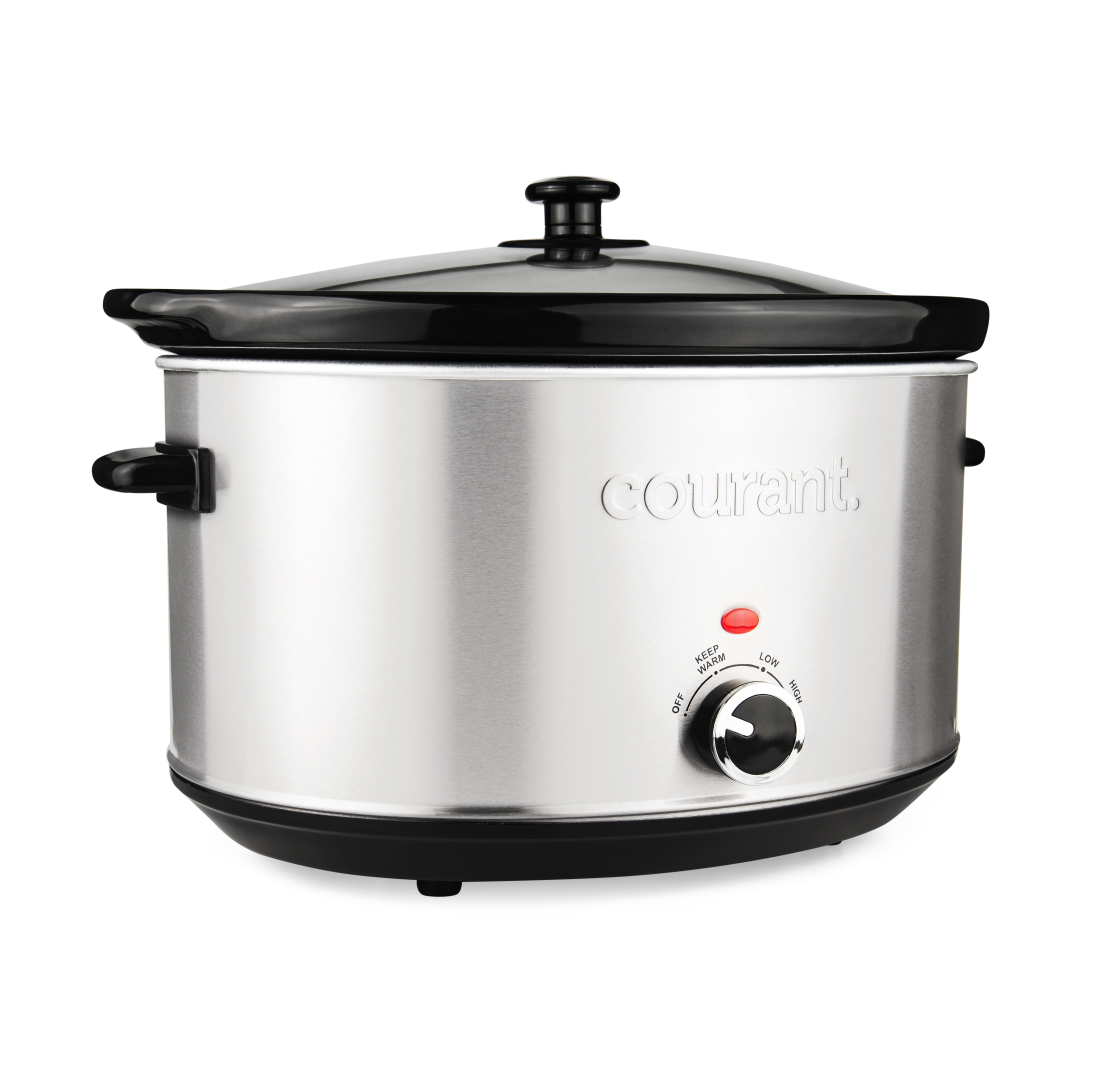
The Wattage Spectrum: What’s Typical for Your Slow Cooker?
Slow cookers come in a variety of sizes and designs, and their wattage naturally reflects these differences. Generally, you’ll find slow cooker wattage ranging from as low as 70 watts for smaller models to over 450 watts for the largest, most feature-rich units.
Let’s break down the typical wattage by capacity:
- Small Slow Cookers (1.5 to 4 quarts): These compact units, perfect for dips, appetizers, or meals for one to two people, usually operate in the 70 to 200-watt range.
- Medium Slow Cookers (5 to 7 quarts): This is the sweet spot for many families, accommodating stews, roasts, and chilis for three to six people. Most models in this popular size typically fall between 150 and 370 watts. A common 6-quart slow cooker might use around 180 to 300 watts.
- Large Slow Cookers (8 to 10+ quarts): Designed for larger families, entertaining, or meal prepping big batches, these spacious slow cookers often have a higher wattage, starting from around 250 watts and going up to 450 watts or more, especially for 10-quart models.
Beyond size, your chosen cooking setting also significantly impacts the slow cooker wattage used.
- Low Setting: Typically uses less power, often in the 45 to 150-watt range, ideal for long, slow cooking sessions.
- High Setting: Draws more power to reach temperature faster, usually between 150 and 300 watts, making it suitable for recipes that need a quicker start or a shorter overall cooking time.
- Warm Setting: Designed to keep food at a safe serving temperature after cooking, this setting uses the least amount of electricity, often below the “Low” setting’s range.
Does More Wattage Mean Faster Cooking? The Impact on Your Dishes
This is a common question, and the answer is nuanced. Yes, a slow cooker with higher wattage will generally heat up faster. It reaches the desired cooking temperature more quickly, which can shave off a bit of time from the initial cooking phase. However, true slow cooking isn’t about speed; it’s about the gentle, prolonged heat that tenderizes ingredients and allows flavors to meld beautifully.
While a higher wattage might get your chili simmering quicker, it doesn’t necessarily mean your dish will be “cooked better” or “faster” in the traditional sense of slow cooking. The beauty of these appliances is their ability to maintain a steady, low temperature. For instance, a recipe designed for 8 hours on low heat might cook in 4 hours on high, regardless of whether you have a 150W or 300W model, as both will reach and maintain the “high” temperature range. The key is consistent heat, not scorching power. Overly high wattage without proper temperature control could even lead to food cooking too quickly around the edges while the center remains undercooked, or even drying out your meal.
Unpacking Energy Consumption: Slow Cooker Wattage and Your Electricity Bill
One of the great advantages of slow cooking is its energy efficiency, especially when compared to traditional ovens. While a slow cooker might run for many hours, its low slow cooker wattage means its overall energy consumption is remarkably modest.
To calculate your slow cooker’s electricity usage, you can use a simple formula:
Electricity (kWh) = (Wattage × Hours Used) ÷ 1000
For example, if you have a 200-watt slow cooker and you cook a meal for 8 hours:
(200 watts × 8 hours) ÷ 1000 = 1.6 kWh
Let’s put this into perspective. Most slow cookers consume between 75 and 300 watts. An electric oven, by contrast, typically draws anywhere from 2,000 to 5,000 watts. Even if your slow cooker runs for 8 hours, it uses significantly less energy than an oven running for just one or two hours. This makes slow cookers a much more economical choice for long-cooking dishes, contributing to noticeable savings on your electricity bill over time.
As food expert and founder of Reviewhalloo.com, Ms. Anya Sharma, often advises, “Don’t let the long cooking times of a slow cooker fool you into thinking it’s an energy guzzler. In fact, for many dishes, it’s one of the most cost-effective appliances in your kitchen. It’s all about choosing the right tool for the job.”
Choosing Your Ideal Slow Cooker: Finding the Right Wattage for Your Needs
When you’re in the market for a new slow cooker, understanding slow cooker wattage can help you make an informed decision.
Consider these factors:
- Family Size and Batch Cooking: For a single person or a couple, a smaller 2-3 quart model with lower wattage (around 70-150W) will be perfectly adequate and energy-efficient. If you’re feeding a family of four to six, a 6-quart model in the 180-300W range is ideal. For larger gatherings or extensive meal prepping, an 8-quart or 10-quart slow cooker with higher wattage (300-450W+) will be necessary.
- Typical Recipes: If you primarily cook dishes that benefit from very long, slow simmers, a model that maintains consistent low temperatures well might be more important than one with extremely high wattage that heats up super fast.
- Features: Some larger, more advanced slow cookers might have additional features like programmable timers, temperature probes, or automatic warming functions. These features can sometimes correlate with a slightly higher overall wattage, but the convenience they offer often outweighs the marginal increase in power consumption.
- How to Find Wattage: Always check the rating label, usually found on the bottom or back of the appliance. You can also find this information on the product’s official website or in the user manual. If it lists amps only, you can calculate wattage using Watts = Volts × Amps (in the U.S., mains voltage is around 120V).
Beyond the Kitchen: Portable Power and Slow Cookers
For those who love to take their culinary adventures on the road, understanding slow cooker wattage is particularly useful. Whether you’re camping, RVing, or simply experiencing a power outage, portable power stations or solar setups can reliably power your slow cooker. Most mid-sized portable power stations can handle the sustained, lower wattage draw of a slow cooker for several hours, allowing you to enjoy a hearty, slow-cooked meal even when you’re off-grid. It’s a testament to the efficient design of these appliances that they can be integrated into such diverse lifestyles.
Expert Insights: Maximizing Your Slow Cooker’s Potential
As a long-time advocate for the art of slow cooking, my advice is always to match your appliance to your lifestyle. Don’t chase the highest slow cooker wattage, but rather the one that best suits your cooking habits and household needs. A well-chosen slow cooker will become an indispensable tool, simplifying meal prep and bringing joy to your dinner table.
“Understanding your slow cooker’s wattage isn’t just about saving electricity; it’s about mastering your slow cooking results,” explains Chef Julianne Thompson, a celebrated culinary instructor and author of several best-selling cookbooks. “A unit with appropriate wattage for its size will ensure even cooking without scorching, allowing those deep, complex flavors to truly develop, which is the hallmark of any great slow-cooked dish.”
Frequently Asked Questions About Slow Cooker Wattage
Q1: Does a higher slow cooker wattage mean my food will cook faster?
Generally, a higher wattage means the slow cooker will heat up more quickly to reach the desired temperature. However, for true slow cooking, consistent low heat is key. While it might reduce the initial warm-up time, it won’t drastically cut down the overall slow cooking duration without potentially altering the texture and flavor that long, slow cooking develops.
Q2: Are slow cookers expensive to run compared to other kitchen appliances?
No, slow cookers are generally very energy-efficient. Their lower wattage compared to ovens or stovetops means that even over several hours, their overall electricity consumption (kWh) is often less, making them a cost-effective option for many meals.
Q3: How can I find the exact wattage of my slow cooker?
You can usually find the slow cooker wattage printed on a label on the bottom or back of the appliance. This information is also typically available in the product manual or on the manufacturer’s official website for your specific model.
Q4: What is a good slow cooker wattage for a typical family of four?
For a family of four, a 5 to 7-quart slow cooker is usually recommended, with a wattage typically ranging from 150 to 370 watts. This range provides a good balance of capacity and efficient cooking power for most family-sized recipes.
Q5: Can a slow cooker with too high wattage overcook or dry out my food?
If a slow cooker’s wattage is disproportionately high for its size and it lacks precise temperature control, it could potentially cause food to cook too quickly, especially around the edges, leading to dryness or scorching. The best slow cookers maintain even, gentle heat regardless of their maximum wattage.
Conclusion: Master Your Meals with Wattage Wisdom
The slow cooker is a beloved kitchen appliance for good reason: it saves time, creates delicious meals, and fits seamlessly into our busy lives. By gaining a clear understanding of slow cooker wattage, you’re not just learning a technical specification; you’re empowering yourself to make smarter choices for your kitchen. You can select an appliance that perfectly matches your culinary needs, optimize its energy use, and ultimately, ensure every dish you create is a masterpiece of flavor and tenderness. So go ahead, embrace the art of slow cooking with confidence, knowing you have the wattage wisdom to guide your way to countless satisfying meals.