Ah, the kitchen. For many of us, it’s the heart of the home, a place where delicious memories are made. But let’s be honest, in our bustling modern lives, time is often the ingredient we’re shortest on. This is where the debate between the Slow Cooker Pressure Cooker truly heats up. Are you Team Slow, savoring every hour as flavors meld into perfection? Or are you Team Fast, demanding gourmet results in mere minutes? The truth is, both appliances are culinary titans, each offering unique magic that can transform your cooking routine. And for those who crave ultimate versatility, the rise of the multi-cooker, combining both slow cooker and pressure cooker functionalities, has revolutionized the game, promising the best of both worlds.
The Age-Old Question: Slow Cooker vs. Pressure Cooker
Choosing the right tool for the job is key in any kitchen. Let’s peel back the layers and understand what makes each of these appliances a must-have, and why many are now looking at a combined slow cooker pressure cooker solution.
Understanding the Slow Cooker: Your Low & Slow Culinary Partner
Imagine waking up to the aroma of a hearty beef stew or coming home to tender, fall-off-the-bone pulled pork. That’s the charm of the slow cooker. This appliance operates on the principle of low, consistent heat over several hours, allowing flavors to slowly meld and develop a richness that’s hard to beat. It’s truly a “set-it-and-forget-it” champion. You simply load your ingredients in the morning, turn it on, and let it work its magic while you go about your day. The extended cooking time excels at breaking down tough cuts of meat, rendering them incredibly tender. Beyond convenience, slow cookers are surprisingly energy-efficient, often using less electricity than a conventional oven for an extended period. They are ideal for pot roasts, chilis, creamy soups, and vibrant curries, offering deep, comforting flavors that evoke a sense of home.
Delving into the Pressure Cooker: Speed, Nutrition, and Intense Flavors
On the other side of the culinary spectrum, we have the pressure cooker – the superhero of speed. This appliance works by creating a sealed, high-pressure environment inside the pot, which raises the boiling point of liquids and cooks food dramatically faster. We’re talking about cooking times that are often 70-80% quicker than traditional methods, and up to eight times faster than a slow cooker. This high-pressure, high-temperature cooking not only slashes meal prep time but also helps to retain more vitamins and minerals, as food is exposed to heat for a shorter duration. Pressure cookers are fantastic for achieving tender meats in a fraction of the time, quickly preparing dried beans without pre-soaking, or whipping up a flavorful risotto on a weeknight. The intense pressure ensures that ingredients cook evenly and thoroughly, locking in moisture and vibrant flavors.
Head-to-Head: Key Differences that Matter
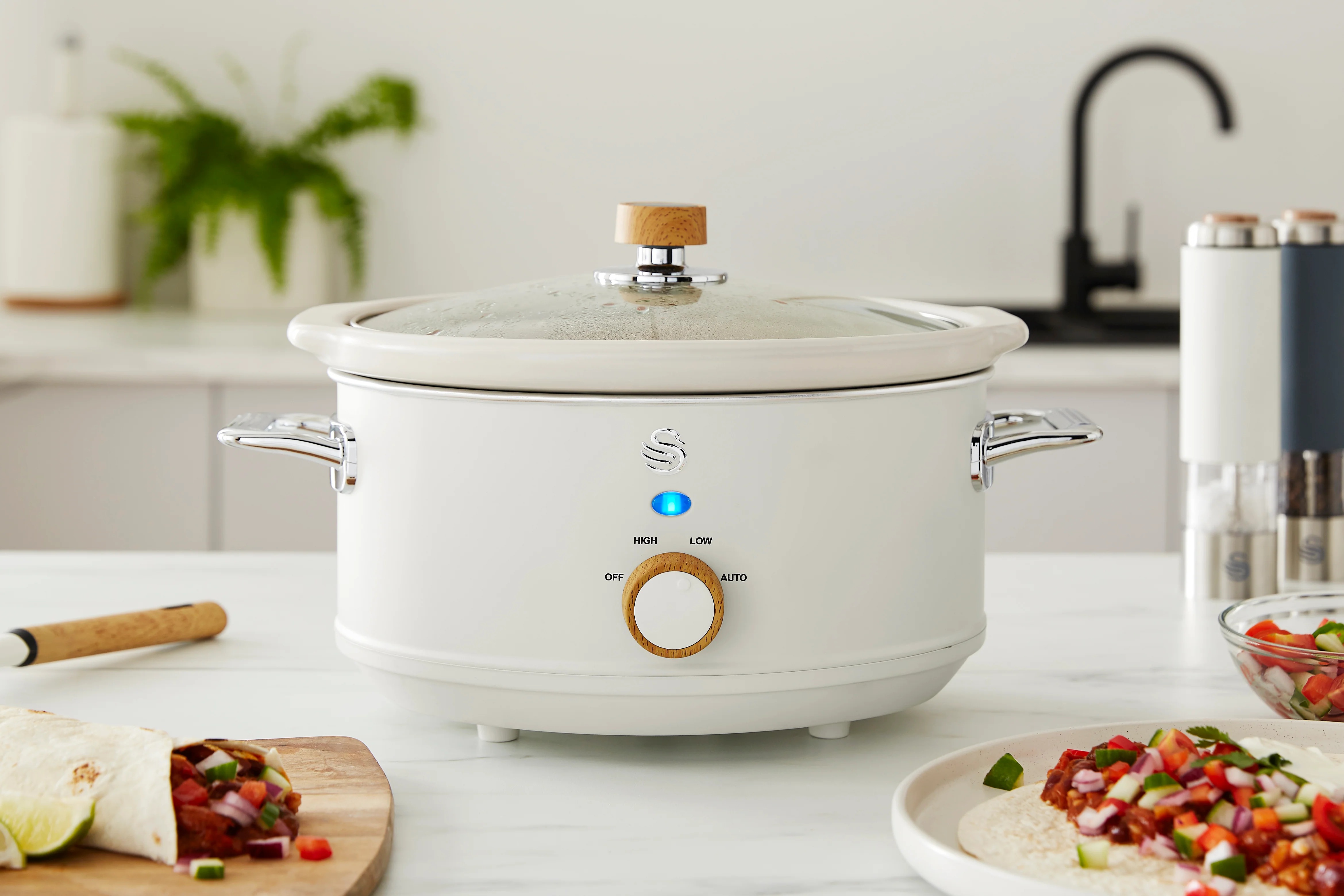
While both promise delicious results with minimal fuss, the core differences between a slow cooker and a pressure cooker lie in their approach and outcome. Understanding these distinctions is crucial, especially if you’re weighing the benefits of a dedicated appliance versus a slow cooker pressure cooker multi-tool.
Cooking Time: Minutes vs. Hours
This is the most obvious differentiator. A traditional slow cooker requires hours of cooking, typically ranging from 4 to 8 hours on a low setting, or 2 to 4 hours on high. This makes it perfect for meals you plan in advance. A pressure cooker, however, transforms those hours into minutes. Tough cuts of beef that might take 8 hours in a slow cooker could be ready in about an hour in a pressure cooker (plus pressure build-up and release time). This speed is a game-changer for spontaneous dinners or when you simply forget to thaw the chicken.
Flavor and Texture: A Tale of Two Techniques
Slow cooking allows flavors to slowly intertwine and deepen, resulting in incredibly rich, complex dishes. Meats become exceptionally tender, often falling apart with a fork. However, delicate vegetables can sometimes become overly soft or mushy due to the prolonged heat. Pressure cooking, on the other hand, preserves the texture of ingredients more effectively, ensuring vegetables remain firm and vibrant while still tenderizing meats quickly. The rapid cooking also means distinct flavors are often more pronounced, offering a different, yet equally delightful, culinary experience.
Nutrient Retention: Which Method Reigns Supreme?
When it comes to retaining nutrients, the pressure cooker often has an edge. Because food cooks so quickly under pressure, vitamins and minerals are exposed to heat for less time, minimizing their degradation. Slow cooking, while gentle, involves longer exposure to heat, which can lead to a greater loss of certain heat-sensitive nutrients.
Energy Efficiency: Surprising Truths
Despite their long cooking cycles, slow cookers are generally very energy-efficient because they operate at a low wattage. Leaving a slow cooker on for several hours can often be more economical than running a conventional oven. Pressure cookers, by drastically reducing cooking time, also offer energy savings by being on for a much shorter duration. The choice between the two for energy efficiency often comes down to the specific recipe and overall cooking time required.
Convenience and Planning: Your Lifestyle, Your Choice
If you love the idea of morning meal prep and coming home to dinner ready, a slow cooker is your best friend. It truly enables a “set it and forget it” lifestyle. A pressure cooker, while fast, requires you to be present during the cooking process to manage pressure release and ensure precise timing. However, its speed makes it incredibly convenient for last-minute meals or when you decide to cook something elaborate on a busy weeknight.
The Best of Both Worlds: Exploring Multi-Cookers
For many home cooks, the decision isn’t about choosing one or the other, but rather embracing both. This is where multi-cookers, the ingenious slow cooker pressure cooker hybrids, shine.
What is a Multi-Cooker? The All-in-One Solution
A multi-cooker, like the popular Instant Pot or Ninja Foodi, is a versatile appliance designed to combine multiple cooking functions into one device. At its core, it typically offers both pressure cooking and slow cooking capabilities, but often extends to sautéing, steaming, rice cooking, yogurt making, and more. This consolidation not only saves precious counter space but also simplifies meal preparation by allowing you to perform several steps (like browning and then slow cooking) in a single pot. It’s the ultimate kitchen workhorse for those who appreciate efficiency and variety.
Choosing a multi-cooker truly marries the best of both worlds. As Chef Emily Carter, a renowned culinary expert with over 15 years in recipe development, often says, “A good multi-cooker isn’t just an appliance; it’s a culinary assistant that adapts to your schedule, whether you need dinner on the table in minutes or prefer the slow, comforting embrace of a simmering stew. It empowers you to cook smarter, not harder.”
Choosing Your Multi-Cooker: Features to Look For
When investing in a slow cooker pressure cooker combo, consider these factors:
- Capacity: Sizes typically range from 3 to 8 quarts, impacting how much food you can cook.
- Functions: Beyond pressure and slow cooking, what other modes are important to you (e.g., air frying, sous vide, dehydrating)?
- Safety Features: Look for robust safety mechanisms, including auto-locking lids, pressure release valves, and overheat protection.
- Ease of Use: An intuitive control panel and clear display will enhance your cooking experience.
- Pot Material: Stainless steel is durable and often preferred for browning, while non-stick options offer easier cleanup.
Mastering Your Appliance: Tips for Optimal Results
Whether you’re using dedicated appliances or a versatile slow cooker pressure cooker multi-cooker, a few expert tips can elevate your culinary game.
Slow Cooker Secrets
- Resist the Urge to Peek: Lifting the lid releases heat and steam, significantly extending cooking time. Each peek can add 20-30 minutes to your cook.
- Layer Ingredients Strategically: Place tougher root vegetables and meats at the bottom, closer to the heat source, and more delicate ingredients like leafy greens on top, adding them later in the cooking process.
- Mind Your Liquid Levels: Slow cookers retain most of their moisture, so you generally need less liquid than in stovetop recipes.
- Using Frozen Foods: Thaw frozen meats before adding them to your slow cooker to ensure even cooking and food safety.
Pressure Cooker Prowess
- The Right Amount of Liquid: Pressure cookers require liquid to create steam, but too much can dilute flavors. Aim for at least 1 cup of liquid for most recipes, but check your manual for specific guidelines.
- Browning for Flavor: Many multi-cookers have a sauté function. Don’t skip browning meats and aromatics before pressure cooking; it builds incredible depth of flavor.
- Understanding Pressure Release:
- Natural Release: Allows pressure to dissipate slowly over time. Ideal for foamy foods, large cuts of meat, or dishes with high liquid content like soups and stews, preventing sudden bursts.
- Quick Release: Manually opens the steam valve to release pressure rapidly. Best for delicate foods like vegetables and seafood to prevent overcooking. Always use a utensil to operate the valve and keep your hands and face clear of the hot steam.
Using a Multi-Cooker as a Slow Cooker: Specific Guidance
If you’re using a multi-cooker for slow cooking, there are a few nuances to be aware of:
- Lid Choice: For best slow cooking results, consider using a compatible glass lid if your multi-cooker offers one. If using the pressure lid, make sure the steam release valve is set to the “venting” position to allow steam to escape, mimicking a traditional slow cooker environment.
- Temperature Settings: On many multi-cookers (like an Instant Pot), the “Less” slow cooker setting often acts more like a “Keep Warm” function. For actual slow cooking, opt for the “Normal” or “High” settings to ensure your food cooks properly.
- Pre-Sautéing: As mentioned, pre-sautéing ingredients directly in the multi-cooker before switching to the slow cook function can significantly enhance flavor and help the appliance come to temperature faster.
Popular Recipes: Delicious Dishes for Every Method
No matter if you have a slow cooker, a pressure cooker, or a versatile slow cooker pressure cooker multi-cooker, there are endless delicious possibilities.
Slow Cooker Staples
- Hearty Beef Stew: Tender chunks of beef and vegetables, simmered to perfection.
- Pulled Pork/Chicken: Ideal for sandwiches, tacos, or salads.
- Classic Chili: A robust and flavorful meal that gets better the longer it cooks.
- Pot Roast: Fall-apart meat with root vegetables in a savory gravy.
Pressure Cooker Favorites
- Quick Risotto: Creamy and flavorful without constant stirring.
- Perfect Hard-Boiled Eggs: Peels effortlessly every time.
- Dried Beans (No Soaking!): Cooked to tender perfection in under an hour.
- Fast Chicken & Rice: A complete meal made in record time.
- Bone Broth: Rich, nutritious broth in a fraction of the traditional time.
Safety First and Maintenance: Keeping Your Kitchen Happy
Proper use and maintenance ensure your slow cooker pressure cooker appliances last for years and operate safely.
- Read the Manual: Always familiarize yourself with your specific appliance’s instructions, especially regarding maximum fill lines and safety features.
- Steam Release Caution: When using a pressure cooker, never place your hand or face directly over the steam release valve. Use a kitchen utensil to open it, and allow the steam to dissipate before removing the lid.
- Check the Gasket: For pressure cookers, ensure the silicone sealing ring (gasket) in the lid is clean, properly seated, and free from cracks or damage before each use. A compromised gasket can prevent pressure from building.
- Clean Thoroughly: Wash the inner pot, lid, and sealing ring after each use. For multi-cookers, wipe down the exterior base with a damp cloth.
FAQ: Your Burning Questions Answered
Can I convert any slow cooker recipe to a pressure cooker recipe?
While many recipes can be converted, it’s not a direct one-to-one swap. Pressure cookers generally require less liquid (reduce by about a quarter) and significantly shorter cooking times (often a quarter of the slow cooker time on high pressure). Delicate ingredients might need to be added later to prevent mushiness.
Are multi-cookers worth it for a slow cooker pressure cooker combo?
Absolutely! Multi-cookers save space, offer incredible versatility, and provide the convenience of both slow and pressure cooking in one appliance. They are particularly valuable for busy individuals or those with smaller kitchens.
Is one healthier than the other?
Both methods can be healthy. Pressure cooking often retains more heat-sensitive nutrients due to shorter cooking times. Slow cooking, while longer, can make tough, inexpensive cuts of meat more palatable and tender, encouraging consumption of leaner, often more nutritious protein sources.
What are the main safety features to look for in a pressure cooker?
Look for multiple safety mechanisms like a self-locking lid, a pressure indicator pin, an anti-block shield for the steam release, and automatic temperature and pressure control. Modern electric pressure cookers have numerous built-in safety features to prevent accidents.
How much liquid do I need for pressure cooking?
Generally, a minimum of 1 cup of liquid is recommended for most pressure cooking recipes to build sufficient steam. However, always refer to your appliance’s manual and specific recipe guidelines, as amounts can vary.
In the fast-paced rhythm of modern life, the slow cooker pressure cooker conundrum is more relevant than ever. Whether you choose the gentle, long simmer of a slow cooker, the lightning-fast efficiency of a pressure cooker, or the dynamic versatility of a multi-cooker, these kitchen powerhouses are designed to simplify your life and amplify your flavors. Embrace the art of controlled cooking and discover how these appliances can transform your meals, saving you time without ever sacrificing taste or nutrition. So go ahead, experiment, and let your kitchen become a haven of culinary excellence!