In today’s fast-paced world, finding time for wholesome, homemade meals can feel like a luxury. That’s where the trusty slow cooker, and particularly its incredible pot, steps in as your culinary hero. As a seasoned expert with over 15 years immersed in the art of slow cooking and the lead content creator for Reviewhalloo.com, I’m here to tell you that understanding your Slow Cooker Pot is the secret ingredient to unlocking unparalleled flavor, nutrition, and convenience. This isn’t just about setting it and forgetting it; it’s about appreciating the engineering that allows simple ingredients to transform into extraordinary meals, saving you precious time in the kitchen and enriching your family’s table.
The Heart of Slow Cooking: Understanding Your Slow Cooker Pot
At its core, a slow cooker is a marvel of simplicity and efficiency, and the “slow cooker pot” is undoubtedly its most crucial component. This inner vessel is where all the magic happens, patiently simmering your ingredients to perfection.
What is a Slow Cooker Pot?
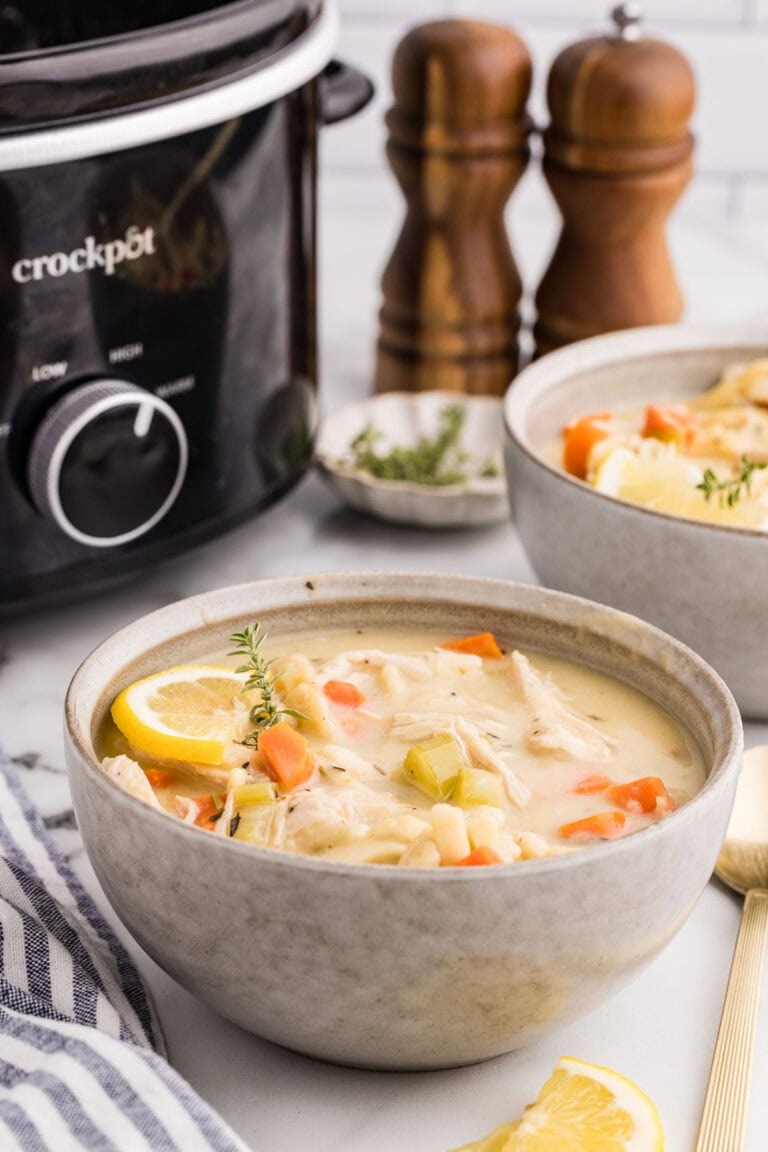
A basic slow cooker consists of three main parts: an outer heating unit, a tight-fitting lid (often glass), and the inner cooking vessel – the slow cooker pot itself. This pot typically sits within the outer casing, which houses low-wattage heating elements. These elements distribute gentle, consistent heat across the bottom and up the sides of the pot, typically maintaining temperatures between 180 and 300 degrees Fahrenheit (82 to 149 degrees Celsius). This deliberate low-temperature, long-duration cooking is what sets the slow cooker pot apart, facilitating a unique braising environment that tenderizes tough cuts of meat and melds flavors beautifully.
Why the Pot Matters: Benefits of its Design
The design of the slow cooker pot is central to the method’s many advantages. Its ability to maintain a steady, low heat and a moist environment ensures dishes don’t dry out. This gentle braising breaks down connective tissues in meats, making even inexpensive cuts incredibly tender and flavorful. The enclosed nature of the pot, sealed by a tight-fitting lid, also means that steam and nutrients are largely retained, preventing flavor loss through evaporation and contributing to healthier cooking with less need for added oils. Furthermore, the “one-pot meal” concept, inherent to the slow cooker pot, significantly reduces cleanup, turning elaborate recipes into simple, single-dish affairs.
Materials Unveiled: Ceramic vs. Metal Slow Cooker Pots
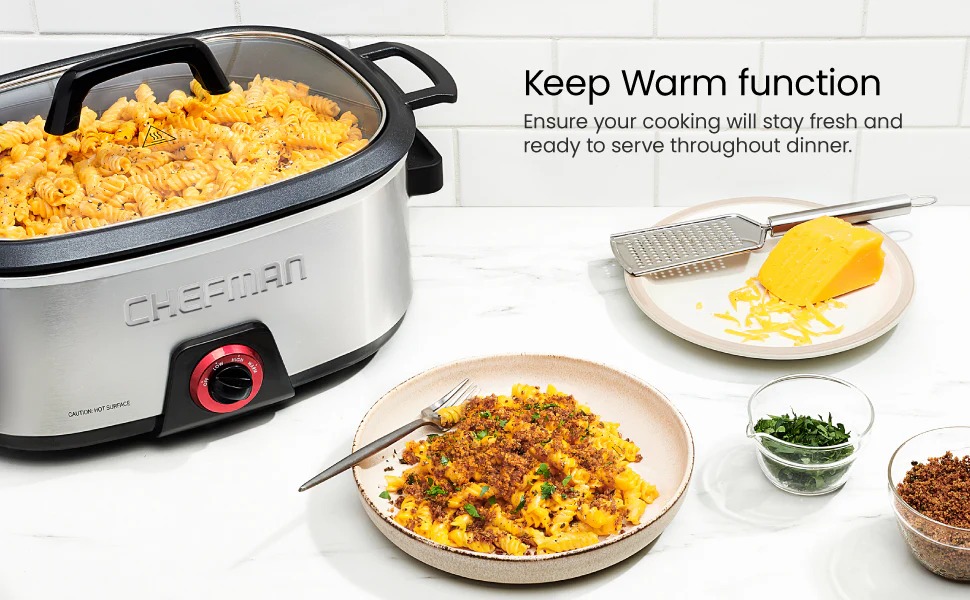
The material of your slow cooker pot plays a significant role in its performance, durability, and versatility. The two primary types you’ll encounter are ceramic (often called stoneware) and various metals like aluminum or steel.
The Classic: Ceramic (Stoneware) Pots
Ceramic slow cooker pots are the traditional choice, known for their excellent heat retention and even heat distribution. They are denser and heavier, taking a bit longer to reach the desired temperature, but once hot, they maintain that heat beautifully, ensuring consistent cooking results. Many ceramic pots are also conveniently dishwasher-safe, making cleanup a breeze.
However, ceramic pots come with their own set of considerations. They are generally not stovetop-safe, meaning any searing or browning of ingredients must be done in a separate pan before transferring to the slow cooker pot. They are also more susceptible to cracking or shattering if dropped or if subjected to sudden temperature changes, such as pouring cold liquid into a hot pot.
The Modern Edge: Aluminum and Steel Pots
Increasingly, you’ll find slow cooker pots made from aluminum or stainless steel. These materials are much lighter and heat up more quickly than ceramic. A significant advantage of many metal slow cooker pots is their stovetop and often oven-safe compatibility, allowing you to sear meats or sauté vegetables directly in the same pot before slow cooking. This multi-functionality can save you extra dishes and build deeper flavors by creating a fond directly in the cooking vessel.
While metal pots offer versatility, they can be more prone to hot spots if the heating elements are not well-designed. Many metal pots feature nonstick coatings for easier cleanup, which leads us to an important discussion.
The Evolution of Nonstick: Safe Coatings
When it comes to nonstick surfaces on slow cooker pots, safety is paramount. Older nonstick coatings often contained chemicals like PFOA and PFAS, which have raised health concerns. However, modern slow cooker pots, like some GreenLife models, now boast PFOA- and PFAS-free nonstick coatings that are designed to be safe and effective, mimicking the heat-conducting properties of ceramic while offering easy release. It’s always wise to check product specifications and opt for reputable brands that prioritize non-toxic materials, especially when food contact is involved. When cleaning nonstick pots, use soft utensils to prevent scratching the surface, which can compromise its effectiveness and potentially expose underlying materials.
Choosing Your Perfect Slow Cooker Pot: Size, Shape, and Features
Selecting the right slow cooker pot for your needs involves considering its capacity, shape, and any special features that enhance your cooking experience.
Finding Your Capacity
Slow cooker pots come in a wide range of capacities, typically from small 1.5-quart models ideal for dips or single servings, up to large 10-quart-plus vessels perfect for entertaining or meal prepping for a big family. A 6-to-8-quart slow cooker pot is generally considered standard for feeding a family of four to six and handling most common recipes. It’s important to note that slow cookers tend to perform best when at least half full, so avoid buying an excessively large pot if you primarily cook for one or two.
Shape Matters: Round vs. Oval
The shape of your slow cooker pot influences the types of dishes you can prepare and how easily it stores.
- Oval pots are highly popular, especially for accommodating larger cuts of meat like whole chickens, roasts, or racks of ribs. Their elongated design makes them versatile for family-sized meals.
- Round pots are often more compact, making them easier to store and ideal for soups, stews, chilis, or smaller cuts of meat. Some smaller slow cooker pots, like mini round models, are perfect for dips or smaller sides at a gathering.
Beyond the Basics: Pot-Specific Features
Modern slow cooker pots offer features that extend their utility:
- Stovetop-Safe Pots: As mentioned, some metal slow cooker pots can be placed directly on your stovetop for searing ingredients before slow cooking, a game-changer for building deep, caramelized flavors.
- Integrated Searing: Certain multi-functional slow cookers have a “brown/sauté” mode that heats the pot to searing temperatures directly within the base, eliminating the need for a separate pan.
- Temperature Probes: Some advanced slow cooker pots work in conjunction with integrated temperature probes, allowing you to monitor the internal temperature of your food precisely and switch to a “keep warm” setting automatically once a target temperature is reached.
“A well-chosen slow cooker pot is more than just a vessel; it’s an extension of your culinary intention, allowing you to craft delicious, healthful meals with unparalleled ease,” says Chef Isabella Rossi, a renowned slow cooking innovator. “From material to capacity, every detail contributes to the final masterpiece you bring to the table.”
Mastering Your Slow Cooker Pot: Techniques and Tips
Using your slow cooker pot effectively goes beyond just throwing in ingredients. A few techniques and tips can elevate your dishes from good to gourmet.
Preparation is Key
While slow cooking is often about minimal fuss, a little prep can go a long way. If your slow cooker pot is stovetop-safe or your appliance has an integrated sear function, browning meats before slow cooking can significantly enhance flavor and color. Lightly sautéing onions and garlic can also build a delicious foundation for your dish.
The Lid’s Role: Keeping the Heat In
The tight-fitting lid is essential for creating the moist, consistent heat environment that slow cooking requires. Resist the urge to frequently lift the lid, as each peek can drop the internal temperature by 10-20 degrees and add significant time to your cooking process. Patience is a virtue in slow cooking!
Liquid Wisdom
Slow cooker pots retain a lot of moisture, so you generally need less liquid than in conventional stovetop or oven recipes. As a rule of thumb, reduce the liquid by about one-third to one-half compared to traditional recipes to avoid overly watery results. The food should be mostly submerged, but not drowning.
Food Safety First
Always prioritize food safety when using your slow cooker pot.
- Defrost Meat: The USDA strongly advises against putting frozen meat directly into a slow cooker pot. Frozen meat takes too long to reach a safe temperature, allowing harmful bacteria to multiply in the “danger zone.” Always thaw meat completely before adding it to the pot.
- Keep Warm Settings: While convenient, the “keep warm” setting is designed to hold already cooked food at a safe serving temperature for a few hours, not for prolonged storage or to cook raw food. Do not use it overnight.
Care and Cleaning: Keeping Your Slow Cooker Pot Pristine
Maintaining your slow cooker pot is crucial for its longevity and your cooking hygiene.
Daily Cleaning
Most ceramic and many nonstick metal slow cooker pots, along with their glass lids, are dishwasher-safe, offering effortless cleanup. For stubborn, baked-on food, a simple soak in warm, soapy water for an hour or two can work wonders before gentle scrubbing. Avoid abrasive scourers on nonstick surfaces to prevent damage.
The Liner Debate: Convenience vs. Concerns
Slow cooker liners are plastic bags designed to fit inside your slow cooker pot, promising exceptionally easy cleanup by preventing food from sticking. You simply lift out the liner after cooking and dispose of it.
However, the use of slow cooker liners is a topic of debate due to potential health concerns regarding chemical leaching from the plastic materials, particularly under heat. While many brands claim their liners are BPA-free and heat-resistant nylon, some experts recommend caution. If you choose to use liners for convenience, opt for reputable brands that are explicitly labeled BPA-free and made from food-safe, heat-resistant nylon. For those seeking a truly non-toxic option, a thorough soak and hand wash of your ceramic or non-toxic coated metal slow cooker pot remains the safest approach.
Slow Cooker Pot Recipes: Culinary Inspiration
The versatility of the slow cooker pot allows for an endless array of culinary creations.
Hearty Stews and Roasts
The slow cooker pot excels at dishes that benefit from long, slow simmering. Think fall-apart tender pot roasts, rich beef stews, succulent pulled pork, and flavorful chilis. The even heat ensures that every bite is infused with flavor and perfectly cooked.
Beyond Savory: Desserts and More
Don’t limit your slow cooker pot to just savory meals! It’s fantastic for preparing:
- Breakfasts: Creamy oatmeal, breakfast casseroles.
- Desserts: Moist cakes, rich brownies, warm fruit crumbles.
- Sides: Baked potatoes, mashed potatoes, glazed carrots.
- Beverages: Mulled cider, hot chocolate, spiced wines.
The consistent, gentle heat of the slow cooker pot prevents burning and allows these dishes to develop complex flavors without constant supervision.
FAQs about Your Slow Cooker Pot
Can I put a cold slow cooker pot into a hot base?
It’s best to avoid drastic temperature changes with ceramic slow cooker pots, as this can lead to cracking. Allow your pot to come closer to room temperature before placing it into a hot base or adding hot ingredients to a cold pot.
Is it safe to leave my slow cooker pot on all day?
Yes, slow cookers are designed for unattended cooking over several hours on “low” or “high” settings. They are generally considered safe to leave on while you are out for the day, but always ensure proper liquid levels and a tight-fitting lid to prevent scorching.
What if my slow cooker pot cracks?
A cracked slow cooker pot should not be used, as it can leak and pose a safety hazard. While some might suggest using a liner as a workaround, it’s safer and recommended to replace a cracked pot.
Are all slow cooker pots dishwasher safe?
Most ceramic slow cooker pots and their lids are dishwasher safe. For metal pots, check the manufacturer’s instructions, especially if they have a nonstick coating, as handwashing might be recommended to preserve the finish.
Can I use my slow cooker pot on the stove?
Only slow cooker pots specifically designed to be stovetop-safe (usually made of aluminum or steel, often indicated in product descriptions) should be used on the stove. Ceramic pots are typically not safe for direct stovetop heat and can crack.
The Journey to Effortless Culinary Excellence
The slow cooker pot is truly an unsung hero in the modern kitchen, a testament to how intelligent design can transform everyday cooking. From its heat-retaining materials to its versatile shapes and convenient features, understanding your slow cooker pot empowers you to make more informed choices, leading to more delicious, nutritious, and stress-free meals.
At Reviewhalloo.com, we believe that the art of slow cooking is about more than just food; it’s about simplifying your life without compromising on quality. So, embrace the gentle power of your slow cooker pot, explore new recipes, and rediscover the joy of home cooking. Your journey to effortless culinary excellence starts here, one perfectly simmered meal at a time.