Life moves fast, and often, so does dinner. But what if you could slow things down, embrace a more relaxed pace in the kitchen, and still serve up incredibly flavorful, nutritious meals for your family? Enter the humble Slow Cooker, a culinary workhorse that has transformed how we approach home cooking. For over 15 years, I’ve delved deep into the world of slow cookers, exploring every facet from their fundamental mechanics to crafting recipes that optimize both taste and nutrition. As the lead content creator for Reviewhalloo.com, my passion is to inspire and guide you through the art of slow cooking, helping you save precious time while enjoying delicious, wholesome food. This isn’t just about convenience; it’s about embracing a smart, flavorful approach to modern living.
Why Every Busy Home Needs a Slow Cooker: The Heart of Your Kitchen
Imagine waking up, doing a few minutes of prep, tossing ingredients into a pot, and returning home to the enticing aroma of a perfectly cooked meal. That’s the everyday reality a slow cooker offers. Its primary appeal lies in its unparalleled convenience, freeing you from constant stove-top monitoring. This allows for effortless meal preparation, making it an absolute game-changer for busy professionals, parents, or anyone looking to reclaim their evenings.
Beyond convenience, slow cooking excels at transforming even the toughest cuts of meat into fall-off-the-bone tenderness, thanks to the gentle, prolonged heat. This method also allows flavors to meld and deepen over hours, creating a richness and complexity that’s hard to achieve with quicker cooking methods. It’s an energy-efficient way to cook, often using less electricity than a conventional oven for the same duration. Plus, it encourages healthier eating by minimizing the need for added fats, letting the natural flavors shine.
The Magic Behind the Lid: How Slow Cookers Work Their Charm
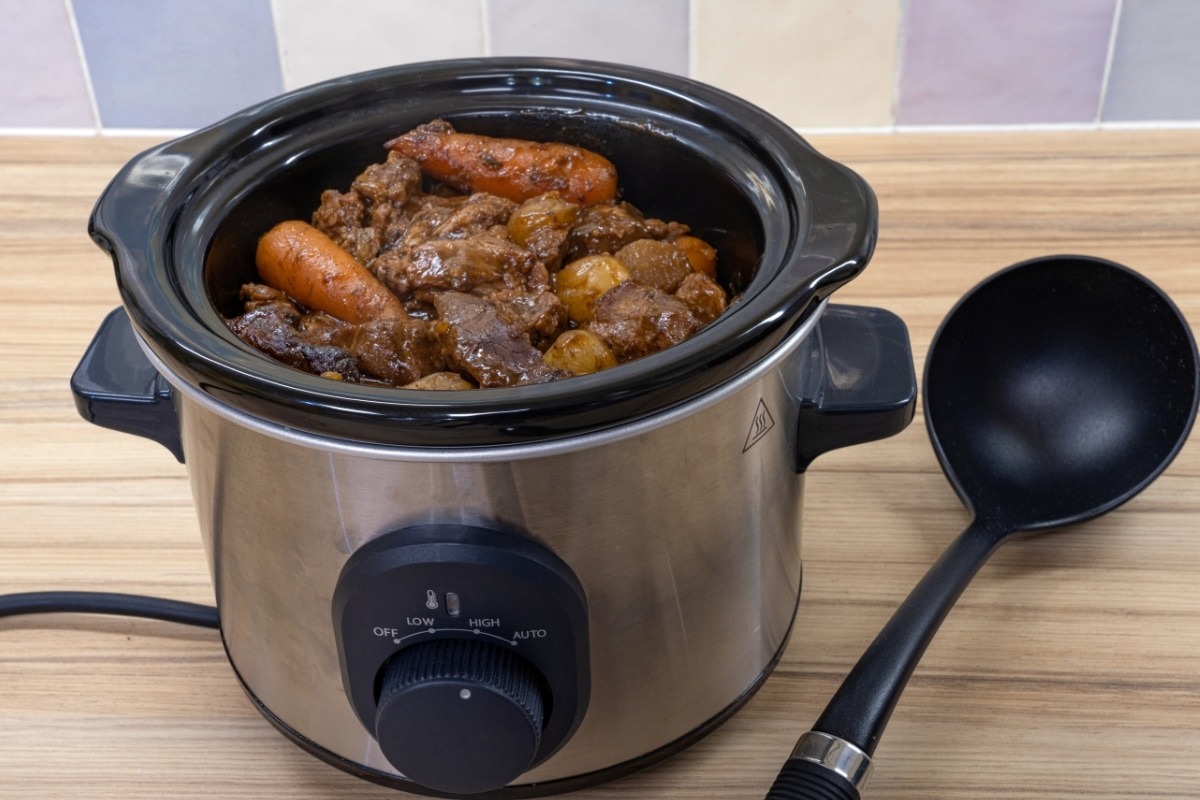
At its core, a slow cooker is an electric appliance designed to cook food at a low temperature for an extended period, typically between 4 to 10 hours. It consists of three main components: an outer housing that contains a heating element, a removable stoneware or ceramic insert where the food cooks, and a tight-fitting lid. The heating element gently heats the stoneware insert, distributing heat evenly around the food.
This low, consistent heat is key. It gradually breaks down tough connective tissues in meats, rendering them incredibly tender, and allows herbs, spices, and liquids to fully infuse into every ingredient. The sealed lid traps moisture and heat, preventing evaporation and creating a self-basting environment that keeps food from drying out. It’s a truly hands-off approach that guarantees consistent, delicious results. As culinary expert Sarah Jenkins often remarks, “The beauty of a slow cooker is in its patience; it coaxes out flavors you didn’t even know were there.”
Demystifying Slow Cooker Types: Finding Your Perfect Match
When exploring slow cookers, you’ll generally encounter a few main types, each with its own advantages. The most basic are manual slow cookers, offering simple “on/off” and temperature settings (low, high, warm). These are reliable and budget-friendly.
Next are programmable slow cookers, which provide more flexibility. You can set a specific cooking time, and many will automatically switch to a “warm” setting once the cooking cycle is complete – a fantastic feature for those unpredictable evenings.
Finally, some multi-cookers (like certain pressure cookers) include a slow cook function. While versatile, a dedicated slow cooker often provides more consistent, even low heat specifically designed for the nuances of slow cooking. Sizes range from small 1.5-quart models, perfect for dips or single servings, to large 8-quart giants, ideal for feeding a crowd or batch cooking. The choice depends entirely on your cooking habits and household size.
Your Essential Slow Cooker Buying Guide: Making the Smart Choice
Choosing the right slow cooker can feel overwhelming with so many options on the market. But with a little guidance, you can find the perfect one to become your kitchen’s best friend.
What to Look for: Features That Matter
When you’re ready to invest, consider these key features:
- Programmable Settings: This is a top priority for most busy cooks. The ability to set a cook time and have the unit automatically switch to “warm” is incredibly convenient and prevents overcooking.
- Capacity: Think about your household size and typical cooking needs. A 6-quart slow cooker is often considered the most versatile, suitable for families of 4-6. Smaller households might opt for a 3-4 quart, while larger gatherings could benefit from an 8-quart.
- Lid Design: A clear, tempered glass lid allows you to peek without releasing heat. Lids with clamps are excellent for transporting food to potlucks or gatherings, preventing spills.
- Material: Most inserts are ceramic or stoneware, excellent for even heat distribution. Ensure it’s non-stick and dishwasher-safe for easy cleanup.
- Temperature Settings: Basic models offer Low, High, and Warm. Some advanced models might offer more nuanced temperature control.
- Digital Display: A clear digital display makes programming and monitoring easier.
Sizing It Up: Capacity for Every Crew
- 1.5-3 Quarts: Ideal for single servings, appetizers, dips, or small side dishes.
- 4-5 Quarts: Great for couples or small families of 2-3 people, perfect for smaller roasts or chili.
- 6-7 Quarts: The most popular size, suitable for families of 4-6, accommodating a whole chicken or a large pot roast.
- 8+ Quarts: Best for large families, entertaining, or serious batch cooking and meal prepping.
Mastering the Art of Slow Cooking: Tips and Techniques from an Expert
Slow cooking is incredibly forgiving, but a few expert tips can elevate your dishes from good to extraordinary.
Prep Like a Pro: Foundations for Flavor
- Browning Meats: While not strictly necessary, quickly searing meat in a pan before adding it to the slow cooker adds a rich depth of flavor and color that can’t be achieved by slow cooking alone.
- Layering Ingredients: Place tougher, longer-cooking vegetables (like carrots and potatoes) at the bottom, closer to the heat source. Meats go next, followed by more delicate vegetables and liquids.
- Don’t Overfill (or Underfill): For optimal cooking, your slow cooker should be between half-full and two-thirds full. Too little food can overcook, too much can undercook.
- Cut Uniformly: For even cooking, cut all your vegetables and meat into roughly similar-sized pieces.
Smart Cooking Habits: Maximizing Your Slow Cooker’s Potential
- Resist the Urge to Peek: Lifting the lid releases precious heat and moisture, extending the cooking time significantly. Every peek can add 20-30 minutes to your cooking time.
- Mind Your Liquids: Slow cookers retain moisture exceptionally well, so you’ll often need less liquid than conventional recipes call for – typically about half to two-thirds of the amount.
- Dairy and Delicate Herbs Last: Dairy products (milk, cheese, sour cream) can curdle if cooked for too long on high heat. Add them in the last 30-60 minutes. Similarly, fresh delicate herbs are best stirred in just before serving to preserve their vibrant flavor and color.
- Food Safety First: Always ensure food reaches a safe internal temperature. Use a meat thermometer if unsure. If reheating leftovers, ensure they are heated thoroughly.
Deliciously Simple: Must-Try Slow Cooker Recipes
The versatility of the slow cooker truly shines when it comes to recipes. It’s not just for stews anymore!
Hearty Dinners for Busy Weeknights
- Classic Pot Roast: A staple for a reason. Tender beef, carrots, potatoes, and rich gravy, all cooked to perfection with minimal effort.
- Pulled Pork or Chicken: Ideal for sandwiches, tacos, or salads. Simply season and cook until shreddable.
- Hearty Chili: Let the flavors meld all day for a deeply satisfying bowl. Perfect for game days or a cozy evening.
- Chicken and Dumplings: A comforting, soul-warming meal that practically cooks itself.
- Beef Stew: Packed with vegetables and fork-tender beef in a savory broth.
Beyond the Main Course: Surprising Slow Cooker Delights
Don’t limit your slow cooker to just savory meals. It’s surprisingly adept at other dishes:
- Baked Potatoes: Get perfectly fluffy baked potatoes without heating up your oven.
- Desserts: From apple crisp to chocolate lava cake, the slow cooker can handle sweet treats beautifully.
- Dips: Keep your party dips warm and perfectly gooey for hours.
- Hot Beverages: Mulled wine or spiced cider are fantastic in a slow cooker, keeping warm for entertaining.
Keeping Your Slow Cooker Sparkling: Cleaning and Maintenance Tips
A well-maintained slow cooker will serve you faithfully for years. Cleaning is usually straightforward, especially if you have a removable stoneware insert.
- For the Insert: Most stoneware inserts are dishwasher safe. For stubborn, stuck-on food, fill the insert with warm, soapy water and let it soak for an hour or two before scrubbing. For really tough spots, a paste of baking soda and a little water can work wonders.
- For the Base Unit: Unplug the unit and wipe down the exterior with a damp cloth. Never immerse the base in water.
- For the Lid: Wash the lid with warm, soapy water. If it’s glass, it’s often dishwasher safe, but always check manufacturer instructions.
- Regular Inspections: Periodically check the cord for any fraying or damage and ensure the heating element area is free of debris.
Slow Cooker Showdown: How It Stacks Up Against Other Appliances
In today’s kitchen, there’s a gadget for everything. How does the slow cooker compare to its popular counterparts?
Slow Cooker vs. Instant Pot: A Tale of Two Speeds
The Instant Pot (or any multi-cooker with a pressure function) offers speed, cooking dishes like pot roast in a fraction of the time. Its slow cook function, however, can sometimes be less effective than a dedicated slow cooker, as multi-cookers often cycle heating elements, leading to less consistent low-temperature cooking. The slow cooker excels in its truly hands-off nature for long cooking times, developing deeper flavors and textures that pressure cooking can’t always replicate. It’s about choosing between speed and the luxurious, patient development of flavor.
Slow Cooker vs. Oven: Efficiency and Flavor
While you can slow cook in an oven at very low temperatures, it’s generally less energy-efficient for long durations than a slow cooker. A slow cooker’s contained environment also means less moisture loss and more even heating for specific dishes like stews and chilis. The oven offers dry heat, excellent for roasting and browning, but it requires more attention and isn’t designed for the extended, unattended cooking that defines the slow cooker experience. For those melt-in-your-mouth stews and tender meats, the slow cooker often has the edge.
Frequently Asked Questions About Slow Cookers
Q: Can I put frozen meat directly into a slow cooker?
A: It’s generally not recommended to put frozen meat directly into a slow cooker. The appliance takes too long to bring the meat to a safe temperature, potentially leaving it in the “danger zone” where bacteria can multiply. Always thaw meat thoroughly before slow cooking.
Q: Do I need to brown meat before slow cooking?
A: Browning meat before slow cooking is not strictly necessary for safety, but it adds a significant depth of flavor and a rich color to your final dish. It creates a Maillard reaction, developing complex savory notes that enhance the overall taste.
Q: How much liquid should I use in a slow cooker?
A: Slow cookers retain moisture very efficiently, so you’ll typically need less liquid than a conventional stovetop or oven recipe. As a general rule, use about half to two-thirds of the liquid specified in traditional recipes, ensuring it doesn’t cover all ingredients.
Q: Can I leave my slow cooker on all day while I’m at work?
A: Yes, most modern slow cookers are designed to be safe for unattended cooking for extended periods. Programmable models are especially convenient as they can switch to a warm setting once cooking is complete, keeping your food ready until you get home.
Q: What’s the difference between “Low” and “High” settings on a slow cooker?
A: The “High” setting cooks food faster, typically in 3-4 hours, while the “Low” setting cooks for a longer duration, usually 6-8 hours. The total temperature reached is roughly the same, but “High” reaches it more quickly. For best flavor and tenderness, “Low” is often preferred.
Q: How do I prevent my food from getting mushy in a slow cooker?
A: To prevent mushy food, avoid overfilling the slow cooker, cut vegetables into larger, uniform pieces, and add more delicate ingredients like pasta, dairy, or fresh herbs towards the end of the cooking process. Also, don’t lift the lid unnecessarily, as this extends cooking time.
Embrace the Slow Cooker Lifestyle
The slow cooker isn’t just another kitchen appliance; it’s an invitation to a more relaxed, flavorful, and efficient way of life. From its gentle cooking mechanics that tenderize and deepen flavors to the sheer convenience it offers busy households, the benefits are undeniable. It empowers you to create nourishing, delicious meals with minimal effort, transforming tough cuts into gourmet delights and giving you back precious time in your day.
I encourage you to embrace the art of slow cooking. Experiment with new recipes, discover the joy of effortless meal prep, and experience the satisfaction of returning home to a perfectly cooked, aromatic dinner. Share your slow cooker triumphs, and let’s continue to explore the endless possibilities this fantastic kitchen tool brings to our tables and our lives.