Tired of the daily dinner dilemma? Imagine coming home to a perfectly cooked, delicious meal, ready to serve with minimal effort. This isn’t a kitchen fantasy; it’s the everyday reality for those who’ve embraced the Programmable Slow Cooker. More than just a simple countertop appliance, a programmable slow cooker is your secret weapon for making wholesome, flavorful dishes while reclaiming precious time in your busy schedule. Forget the guesswork and constant checking; this kitchen marvel brings precision and convenience to slow cooking, transforming the way you approach meal prep and family dinners.
The Marvel of Modern Slow Cooking: What is a Programmable Slow Cooker?
At its core, a slow cooker is designed to cook food at a lower temperature over an extended period, tenderizing ingredients and infusing deep flavors. But a programmable slow cooker elevates this concept with smart features that offer unparalleled control and flexibility. Unlike its manual counterpart, which typically has just “low,” “high,” and “warm” settings, a programmable model allows you to set specific cooking times and, in many cases, even precise temperatures. Once the set cooking time is complete, it automatically switches to a “keep warm” function, ensuring your meal stays at a safe, serving temperature without overcooking. This automation is a game-changer for anyone with a demanding schedule, turning dinner prep from a rush into a relaxed affair.
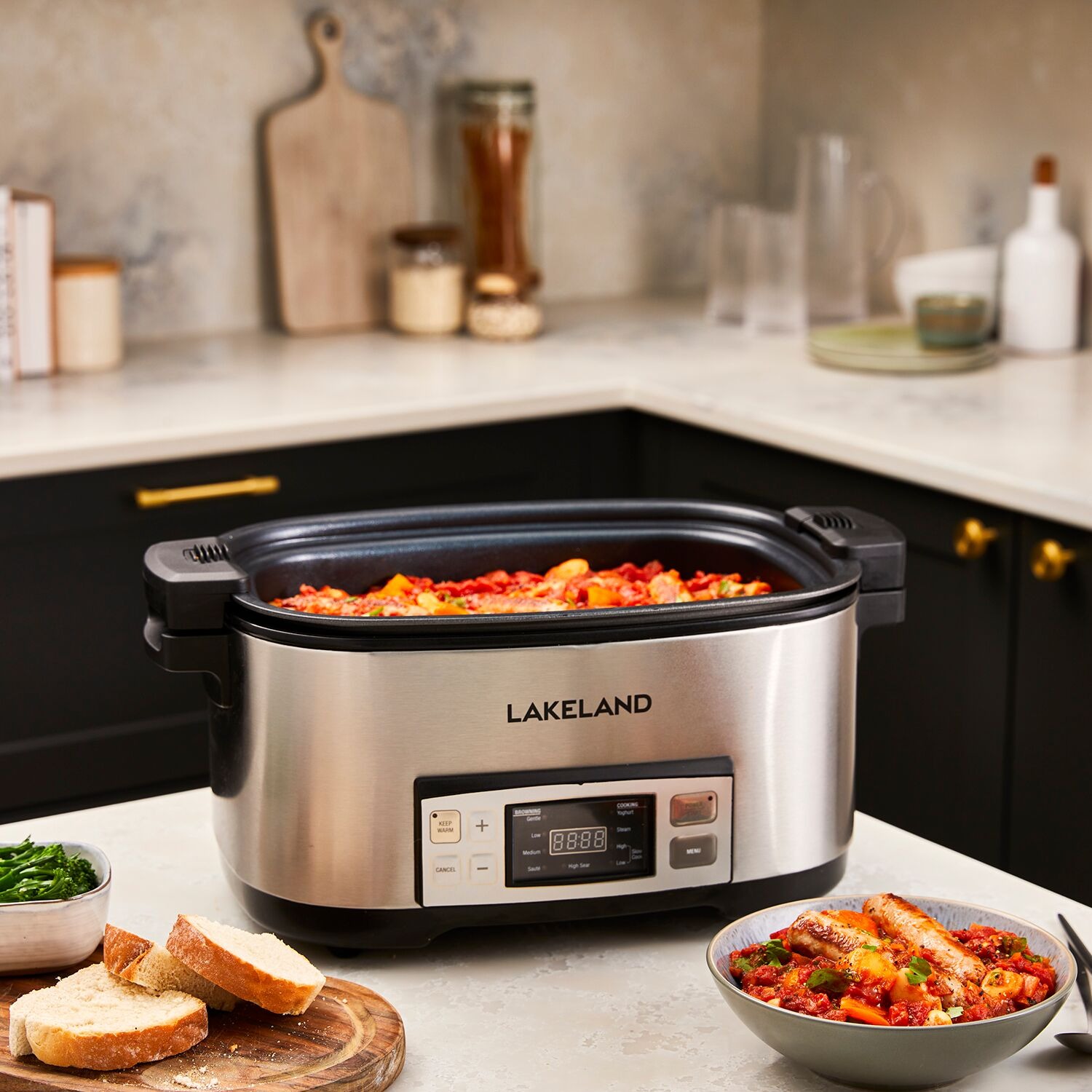
Why a Programmable Slow Cooker is a Must-Have Kitchen Companion
The benefits of integrating a programmable slow cooker into your cooking routine are vast and varied, touching upon convenience, nutrition, and even your budget.
- Unmatched Convenience: This is where the programmable slow cooker truly shines. Set it and forget it! You can load your ingredients in the morning, program the desired cooking time, and go about your day. No more rushing home to turn off the stove or worry about overcooking. It’s perfect for busy professionals, parents, or anyone who values efficiency.
- Healthier Eating Made Easy: Slow cooking gently breaks down ingredients, preserving nutrients and often requiring less added fat. It’s ideal for cooking tougher, less expensive cuts of meat into succulent, fall-off-the-bone dishes. Plus, making meals at home gives you full control over ingredients, allowing you to avoid preservatives and excessive sodium found in many convenience foods.
- Budget-Friendly Meals: As mentioned, slow cookers excel at transforming more affordable cuts of meat into gourmet-quality meals. You can also utilize seasonal produce more effectively and make larger batches for meal prepping, reducing food waste and grocery bills.
- Enhanced Flavor Development: The extended, gentle cooking process allows flavors to meld and deepen in a way that quick cooking methods simply cannot achieve. Herbs and spices release their full aromatic potential, resulting in richer, more complex tastes.
- Energy Efficiency: Slow cookers use significantly less energy than a conventional oven, making them an environmentally friendly and cost-effective appliance for daily use.
How a Programmable Slow Cooker Works Its Magic
Understanding the mechanics of your programmable slow cooker demystifies its power. Most models consist of three main parts:
- The Base: This outer casing houses the heating element, which typically wraps around the sides and sometimes the bottom of the ceramic insert.
- The Ceramic Insert (Crock): Made from ceramic or stoneware, this heavy pot sits inside the base and holds your food. Its material ensures even heat distribution and retention.
- The Lid: Usually glass, allowing you to peek at your meal without releasing heat. It forms a tight seal to trap moisture and heat, creating a steamy environment that tenderizes food.
The “programmable” aspect comes from a built-in microprocessor that allows you to set precise cooking durations. Once you choose your cooking temperature (low or high) and the number of hours, the cooker follows your instructions. When the countdown ends, the intelligent system automatically shifts to a “keep warm” setting, maintaining food safety and warmth without further cooking. Some advanced models even feature a delayed start function, allowing you to add ingredients hours before cooking actually begins.
Choosing the Perfect Programmable Slow Cooker for Your Kitchen
With so many options available, selecting the right programmable slow cooker can feel overwhelming. Consider these factors to find your ideal match:
- Capacity: Slow cookers typically range from 1.5 quarts (perfect for singles or couples) to 8 quarts (ideal for large families or entertaining). A 6-quart model is often a versatile choice for most families of four to six.
- Shape: Oval slow cookers are great for larger cuts of meat like roasts or whole chickens, while round ones are better for soups, stews, and casseroles.
- Features to Look For:
- Delayed Start: Absolutely essential for maximum convenience, allowing you to set a start time for later in the day.
- Automatic Keep Warm: A standard but critical feature that prevents overcooking once the main cycle is done.
- Digital Timer and Display: Offers precise control and easy monitoring of remaining cooking time.
- Temperature Probe: Found in some high-end models, this allows you to cook meats to a specific internal temperature.
- Lid Lock: Useful for potlucks and transporting food without spills.
- Stovetop-Safe Insert: Some inserts can be used on the stovetop to sear meat before slow cooking, adding an extra layer of flavor.
- Material and Construction: Look for sturdy ceramic inserts that are easy to clean (dishwasher safe is a bonus). The exterior should be cool-touch for safety.
Mastering Techniques and Tips for Your Programmable Slow Cooker
Unlocking the full potential of your programmable slow cooker involves a few key techniques and insider tips:
Essential Techniques:
- Browning Meats (Optional but Recommended): While not strictly necessary, quickly searing meats on the stovetop before adding them to the slow cooker can add a depth of flavor and appealing color that you won’t get otherwise.
- Layering Ingredients: Place tougher vegetables like carrots and potatoes at the bottom, closest to the heat, as they take longer to cook. Meats go next, followed by softer vegetables and liquids.
- Adjusting Liquids: Slow cookers retain moisture very well, so you’ll often need less liquid than traditional recipes. Start with about half to two-thirds of what a stovetop recipe calls for.
- Adding Dairy and Delicate Ingredients Last: Dairy products (milk, cream, cheese) can curdle if cooked for too long on high heat. Add them in the last 30-60 minutes. Similarly, fresh herbs and quick-cooking vegetables like spinach are best added towards the end to preserve their flavor and texture.
Smart Tips for Success:
- Don’t Peek! Resist the urge to lift the lid. Each time you do, you release valuable heat and steam, adding at least 15-20 minutes to your cooking time.
- Fill It Properly: Your slow cooker works best when it’s between half and two-thirds full. Too empty, and food may overcook; too full, and it might not cook evenly.
- Convert Recipes: When adapting traditional recipes, remember that 1 hour on high is roughly equivalent to 2-2.5 hours on low. Always check for doneness.
- Preheat the Crock (Optional): Some users find preheating the ceramic insert with hot water before adding ingredients can help kickstart the cooking process faster.
- Food Safety First: Always thaw frozen meat completely before adding it to your slow cooker to ensure even cooking and prevent bacterial growth.
Delectable Dishes: Popular Programmable Slow Cooker Recipes
The versatility of the programmable slow cooker means you can create an incredible array of dishes, from comforting classics to international flavors.
- Hearty Beef Stew: A quintessential slow cooker dish, where tough beef chuck transforms into tender morsels swimming in a rich, savory broth with carrots, potatoes, and onions. Set it for 8 hours on low, and come home to perfection.
- Pulled Pork/Chicken: Ideal for tacos, sandwiches, or salads. A pork shoulder or chicken breasts cooked on low for 6-8 hours with your favorite BBQ sauce or spices will shred effortlessly.
- Chili: Whether it’s a meaty Texas chili or a vegetarian black bean variety, slow cooking allows the spices to bloom and meld beautifully.
- Chicken Tikka Masala: Yes, even complex curries can be simplified. Marinate chicken, add it to the slow cooker with a rich tomato-yogurt sauce, and enjoy a fragrant, tender meal.
- Soups and Broths: From chicken noodle soup to homemade bone broth, the slow cooker extracts maximum flavor and nutrients over a long simmer.
“A programmable slow cooker isn’t just a kitchen gadget; it’s an investment in a more relaxed lifestyle and healthier eating,” says Chef Anya Petrova, a celebrated culinary expert with over two decades of experience in creating wholesome, time-saving meals. “The ability to set the exact cooking time and walk away, knowing your meal will be perfectly done and warm when you return, is truly transformative for busy households.”
Caring for Your Programmable Slow Cooker: Maintenance and Cleaning
Proper care ensures your programmable slow cooker remains a reliable kitchen ally for years to come.
- Cleaning the Insert: Most ceramic inserts are dishwasher safe. For stubborn, stuck-on food, fill the insert with hot, soapy water and let it soak for an hour before scrubbing. Baking soda can help with tough stains.
- Cleaning the Base: Never immerse the electrical base in water. Wipe it down with a damp cloth and mild detergent, then dry thoroughly.
- Lid Care: Glass lids can usually go in the dishwasher. Check for any food residue around the rim.
- Storage: Ensure all components are completely dry before storing to prevent mildew or odors. Store the lid inverted on the insert to allow air circulation.
Programmable Slow Cooker vs. Other Cooking Appliances
How does a programmable slow cooker stack up against other popular kitchen tools?
- Vs. Traditional Slow Cooker: The key difference is precision and automation. A programmable model offers set-and-forget convenience with timed cooking and automatic warm functions, something manual models lack, requiring more oversight.
- Vs. Instant Pot (Pressure Cooker): While both offer convenience, they operate on opposite principles. The Instant Pot cooks food very quickly under high pressure, ideal for last-minute meals. The programmable slow cooker, conversely, excels at low-and-slow cooking, developing deeper flavors and tenderizing tough cuts over hours. Many multi-cookers now include a slow cooker function, but a dedicated slow cooker often offers better temperature consistency for truly ‘slow’ cooking.
- Vs. Oven: An oven is versatile but uses more energy and requires constant monitoring for slow-cooked dishes. The slow cooker provides a moist, even cooking environment without heating up your entire kitchen, and its “set it and forget it” nature is unmatched for long cooking times.
Frequently Asked Questions About Programmable Slow Cookers
Q: Can I put frozen meat directly into a programmable slow cooker?
A: No, it’s generally not recommended. For food safety, always thaw frozen meat completely before adding it to your slow cooker. The appliance takes too long to reach a safe temperature from frozen, which can promote bacterial growth.
Q: How much liquid should I use in programmable slow cooker recipes?
A: Slow cookers are very efficient at retaining moisture, so you typically need less liquid than traditional stovetop recipes. A good rule of thumb is to reduce the liquid by about half to two-thirds of what the original recipe calls for.
Q: Is it safe to leave a programmable slow cooker on all day while I’m at work?
A: Yes, that’s one of the primary benefits of a programmable slow cooker! They are designed to be left unattended. Just ensure it’s on a stable, heat-resistant surface and away from anything flammable. The automatic “keep warm” function provides added safety.
Q: Can I convert any recipe to a programmable slow cooker recipe?
A: Most stew, soup, and roast recipes can be adapted. However, dishes that require crispiness or quick cooking (like stir-fries) are not ideal. Also, be mindful of delicate ingredients and dairy, adding them closer to the end of the cooking cycle.
Q: What’s the difference between “low” and “high” settings on a programmable slow cooker?
A: The “high” setting cooks food faster, typically reaching simmering point in 3-4 hours. The “low” setting takes longer to reach simmering point (7-8 hours) but maintains a slightly lower temperature throughout, resulting in more tender meat and less chance of overcooking. Both settings cook food to the same final temperature; “high” just gets there quicker.
Embrace the Culinary Revolution with Your Programmable Slow Cooker
The programmable slow cooker is more than just a kitchen appliance; it’s a lifestyle enhancer. It empowers you to create nourishing, flavor-packed meals with unparalleled ease, freeing up your valuable time for family, hobbies, or simply relaxing. From its intelligent timing features to its ability to tenderize even the toughest ingredients, this culinary workhorse is a testament to how modern technology can simplify and enrich our lives. If you haven’t yet discovered the magic of setting it and forgetting it, now is the perfect time to explore the endless possibilities your programmable slow cooker offers and transform your kitchen into a haven of effortless, delicious cooking.