Imagine a world where dinner practically cooks itself, where rich, comforting aromas fill your home as you go about your day, and at mealtime, a perfectly tender, incredibly flavorful dish awaits with minimal effort. This isn’t a fantasy; it’s the everyday reality of the “Magical Slow Cooker.” For over 15 years, I’ve delved into the art and science of slow cooking, and I can tell you there’s nothing quite like the enchantment this humble appliance brings to the modern kitchen, transforming busy schedules into opportunities for delicious, nourishing meals.
The Enchantment of Slow Cooking: What Makes It So Magical?
What gives the slow cooker its undeniable charm? It all comes down to its core principle: cooking food gently at a low, consistent temperature over an extended period. This method isn’t just about convenience; it’s a culinary alchemy that transforms ingredients. The prolonged exposure to heat allows flavors to meld and deepen in a way quick cooking never can, turning simple spices and broths into complex, rich sauces. Meats, even tougher, more economical cuts, become incredibly tender, practically falling off the bone, as collagen breaks down slowly into gelatin. This tenderization process is a key element of the slow cooker’s magic.
Beyond flavor, the slow cooker offers unparalleled convenience. It’s the ultimate “set it and forget it” appliance, allowing you to load ingredients in the morning and return to a fully cooked meal. This hands-off approach frees up valuable time for work, family, or personal pursuits, making it an indispensable tool for anyone leading a busy life. Furthermore, slow cooking is surprisingly energy efficient, using less power than a conventional oven, and because it minimizes evaporation, it helps retain more of the food’s natural nutrients, contributing to healthier meals.
Demystifying the Magic: Understanding Your Slow Cooker
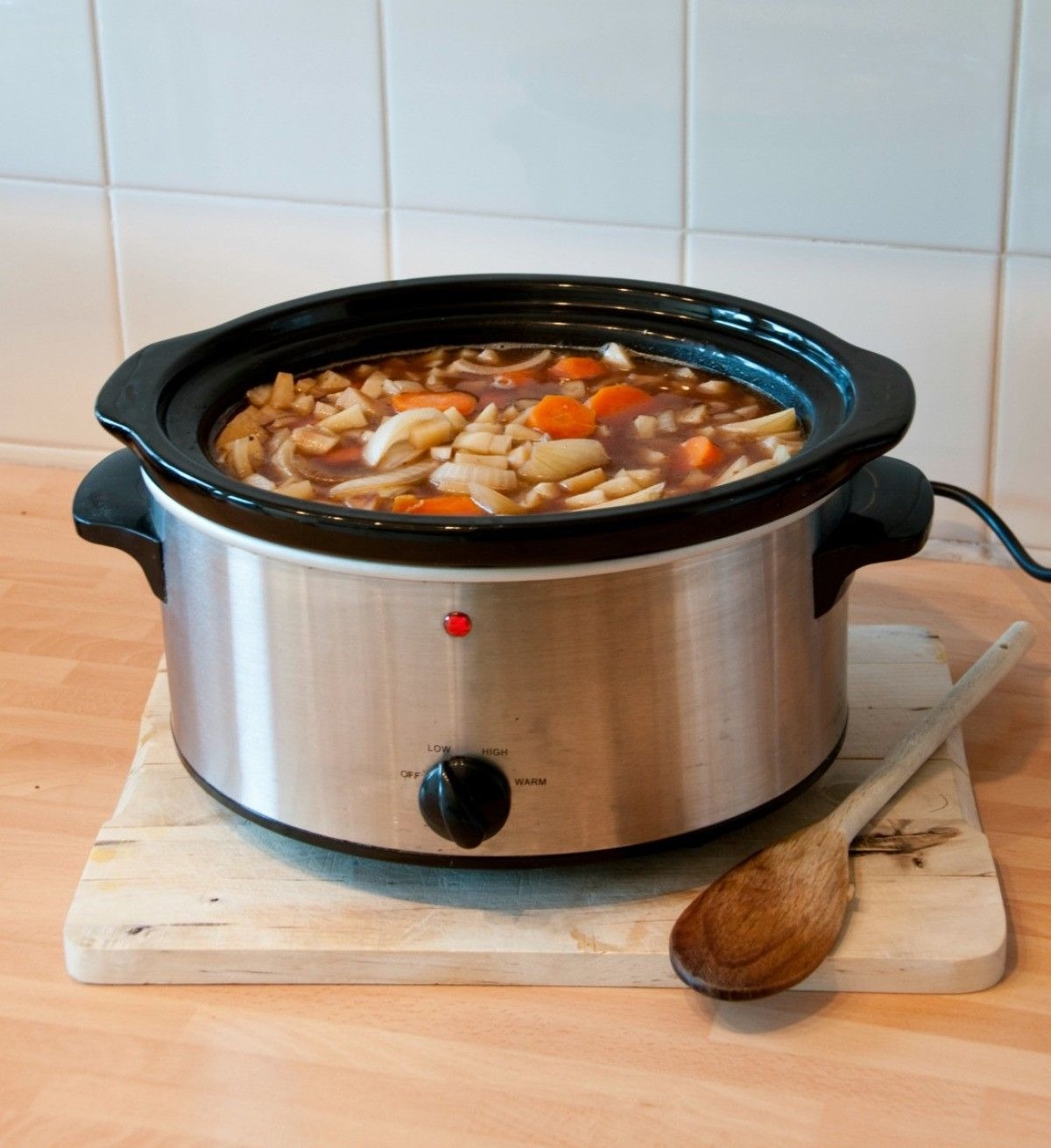
To truly harness the power of your magical slow cooker, it helps to understand its components and types. At its heart, every slow cooker consists of a heated outer casing and a removable stoneware or ceramic insert with a tightly fitting lid. The heat from the base radiates around the insert, cooking food evenly and gently.
There are generally three main types you’ll encounter. Manual slow cookers are the simplest, offering basic “low,” “high,” and sometimes “warm” settings. You turn them on and off manually. Programmable slow cookers elevate convenience by allowing you to set a specific cooking time, after which they often automatically switch to a “keep warm” setting. This feature is particularly magical for those long workdays. Lastly, multi-cookers, like some Instant Pots, now often include a slow cook function, offering versatility but sometimes with less specialized performance than a dedicated slow cooker. Regardless of type, the consistent, gentle heat is the secret to its magic.
Choosing Your Culinary Cauldron: A Guide to Buying the Best Slow Cooker
Selecting the right magical slow cooker for your kitchen is crucial for maximizing its benefits. Consider these factors:
- Capacity: Slow cookers range from small 1.5-quart models, perfect for dips or meals for one, to large 8-quart giants suitable for feeding a crowd or batch cooking. A 6-quart model is a popular choice for families of 4-6.
- Shape: Oval slow cookers are ideal for larger cuts of meat like roasts or whole chickens, while round ones are great for soups, stews, and casseroles.
- Programmability: As mentioned, programmable models offer the convenience of setting cook times and automatically switching to warm, preventing overcooking and keeping your meal ready until you are.
- Lid Features: A clear glass lid allows you to monitor food without losing heat, and a locking lid is a fantastic feature for transporting dishes to potlucks or parties.
- Stoneware Material: Most inserts are ceramic or stoneware, which are excellent for even heat distribution and easy cleaning. Some have non-stick coatings, but traditional stoneware is often preferred for its durability.
- Warm Function: An automatic “keep warm” setting is a game-changer, ensuring your food stays at a safe, serving temperature without continuing to cook.
Spells and Secrets: Mastering Slow Cooker Techniques and Tips
Unlocking the full magic of your slow cooker involves a few key techniques:
- To Brown or Not to Brown? While not strictly necessary, searing meat and sautéing aromatics like onions and garlic in a pan before adding them to the slow cooker can significantly deepen the flavor profile of your dish. This extra step builds layers of taste that elevate the final result.
- Less Liquid is More: Slow cookers retain moisture incredibly well. As a rule of thumb, reduce the liquid in conventional recipes by about one-third to one-half, unless you’re making a soup. Too much liquid will result in a watery dish.
- The “No-Peeking” Rule: Resist the urge to lift the lid! Every time you open the slow cooker, you release accumulated heat and steam, adding about 20-30 minutes to your cooking time. Trust the magic.
- Add Delicate Ingredients Later: Dairy products like milk or sour cream, fresh herbs, and tender vegetables should be added in the last 30 minutes to an hour of cooking to prevent curdling or becoming mushy.
- Food Safety First: Always ensure food is cooked to the proper internal temperature. Also, do not fill your slow cooker less than half full or more than two-thirds full, as this can affect cooking times and food safety.
- Adapting Recipes: Most oven or stovetop recipes can be adapted. Generally, 1 hour of stovetop or oven cooking equals 8 hours on low or 4 hours on high in a slow cooker.
A Book of Spells: Popular Magical Slow Cooker Recipes
The slow cooker’s versatility means it can conjure up an astonishing array of dishes. From hearty comfort foods to unexpected delights, its spellbinding ability to transform ingredients is limitless.
- Comfort Food Classics: Pot roasts with root vegetables, rich beef stews, and fiery chilis are where the slow cooker truly shines, yielding incredibly tender meat and deeply flavored sauces. Pulled pork or chicken, perfect for sandwiches or tacos, practically makes itself.
- Soups and Broths: Simmering bones and vegetables for hours creates nutrient-rich, flavorful broths, while creamy tomato soups or hearty chicken noodle soups become effortless.
- Unexpected Delights: Don’t limit your slow cooker to savory dishes! Overnight oatmeal, baked apples, and even luscious cheesecakes can be prepared. Dips like buffalo chicken dip or spinach and artichoke dip are also crowd-pleasers.
- Global Flavors: The slow cooker is a fantastic vessel for international cuisine. Think Indian curries, Mexican carnitas, Italian beef ragu, or Vietnamese pho broth.
Keeping the Magic Alive: Cleaning and Care for Your Slow Cooker
One of the less-talked-about but equally magical aspects of the slow cooker is how easy it is to clean. Most stoneware inserts are dishwasher-safe, making cleanup a breeze. For stubborn residue, a soak with warm, soapy water usually does the trick. Avoid abrasive scrubbers that could damage the finish. The exterior heating unit can be wiped down with a damp cloth once it’s cool. Proper care ensures your magical slow cooker continues to perform flawlessly for years to come.
Slow Cooker vs. Other Kitchen Sorcery: A Quick Comparison
While other kitchen appliances offer their own form of magic, the slow cooker stands in a league of its own for specific needs.
- Slow Cooker vs. Instant Pot: The Instant Pot (or other electric pressure cookers) excels at speed, drastically reducing cooking times. However, the slow cooker’s magic lies in its unhurried approach, allowing flavors to develop gradually and textures to become exquisitely tender. It’s a matter of different kinds of magic for different situations.
- Slow Cooker vs. Traditional Oven: The oven provides high, dry heat, great for roasting and baking. The slow cooker, with its moist, low heat, is superior for braising, stewing, and tenderizing tough cuts, often using less energy and requiring less attention.
“In my 15 years developing recipes, the slow cooker remains my go-to for consistent flavor and sheer convenience. It truly transforms everyday ingredients into something extraordinary with minimal effort.” – Chef An Gia, Head Culinary Innovator at Reviewhalloo.com.
Frequently Asked Questions About Magical Slow Cookers
Q1: Can I really put frozen meat directly into a slow cooker?
A1: While technically possible, it’s generally not recommended for food safety. Frozen meat takes too long to reach a safe temperature in a slow cooker, potentially spending too much time in the “danger zone” where bacteria can multiply. It’s always best to thaw meat completely before adding it to your slow cooker.
Q2: Is a slow cooker energy efficient?
A2: Yes, slow cookers are surprisingly energy efficient. Despite cooking for long hours, they use less wattage than a conventional oven and typically cost only a few cents per hour to run, making them a budget-friendly option for daily meals.
Q3: How much liquid should I use in my slow cooker?
A3: Since slow cookers retain moisture so well, you generally need significantly less liquid than traditional stovetop or oven recipes. As a rule, reduce the liquid by about one-third to one-half, unless you’re making a soup or stock. The food’s natural juices also contribute to the liquid.
Q4: Can I overcook food in a slow cooker?
A4: Yes, while slow cookers are forgiving, it is possible to overcook food, especially delicate ingredients. Overcooked vegetables can become mushy, and meats can become dry or stringy if left too long beyond their optimal cooking time. Programmable models with an automatic “keep warm” function help mitigate this.
Q5: What’s the difference between “low” and “high” settings?
A5: The “high” setting cooks food faster, typically in about half the time of the “low” setting. Both settings reach the same safe internal temperature, but “low” cooks more gently, often resulting in more tender meat and better flavor development.
Q6: Can I use a slow cooker for meal prepping?
A6: Absolutely! The slow cooker is a fantastic tool for meal prepping. You can cook large batches of stews, pulled meats, or chilis on the weekend, then portion them out for lunches and dinners throughout the week. It saves significant time during busy weeknights.
Q7: Are slow cookers safe to leave on all day?
A7: Yes, modern slow cookers are designed to be safe to leave on all day, provided they are in good working condition and used according to the manufacturer’s instructions. Their low, consistent heat and insulated design make them a reliable appliance for unattended cooking.
Unleash Your Inner Culinary Magician
The “magical slow cooker” is more than just a kitchen appliance; it’s an invitation to a more relaxed, flavorful, and efficient way of cooking. It’s a testament to the power of slow, deliberate culinary processes, allowing you to create dishes that nourish both body and soul without sacrificing precious time. Embrace this culinary sorcery, experiment with its endless possibilities, and discover the joy of effortless gourmet meals right in your own home. Share your slow cooker triumphs, for the magic truly comes alive when we share our creations.