In our fast-paced world, finding ways to enjoy hearty, home-cooked meals without spending hours tethered to the stove is a culinary quest many of us share. That’s where the Instant Pot steps in, a kitchen marvel renowned for its versatility. While many know it for its lightning-fast pressure cooking, a lesser-tapped superpower lies within its Instant Pot Slow Cooker Setting. As a dedicated slow cooker enthusiast with over 15 years of experience perfecting slow-cooked recipes and a content creator for Reviewhalloo.com, I’m here to guide you through mastering this often-misunderstood function, transforming your busy weeknights into a canvas for delicious, tender meals.
Unlocking the Power of Your Instant Pot’s Slow Cooker Function
The Instant Pot’s slow cooker function is more than just an extra button; it’s an invitation to a world of convenience and flavor development. While it operates differently from a traditional standalone slow cooker, understanding its nuances is key to unlocking its full potential.
Understanding the “Slow Cook” Button and Basic Operation
Initiating the slow cook mode on your Instant Pot is straightforward. First, ensure your steam release valve is set to the “Venting” position if you’re using the pressure cooking lid. This is crucial as slow cooking doesn’t involve pressure buildup; instead, it allows steam to escape, much like a traditional slow cooker. Next, simply press the “Slow Cook” button. Depending on your model, you might need to press “Adjust” or the “Slow Cook” button again to cycle through the heat settings: “Less,” “Normal,” and “More.” Finally, use the “+” and “-” buttons to set your desired cooking time, which can range from 30 minutes to 20 hours. Once your settings are selected, some models require you to press “Start” to begin the cooking process, while others will automatically start after a few seconds.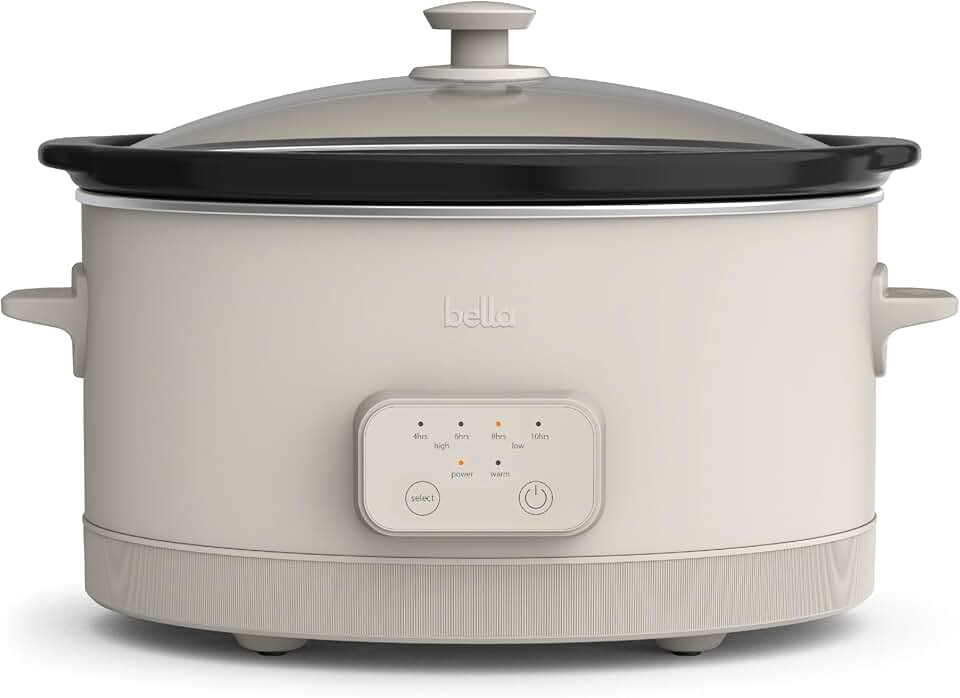
Instant Pot Slow Cooker vs. Traditional Slow Cooker: A Crucial Comparison
It’s vital to acknowledge that the instant pot slow cooker setting functions differently from its dedicated countertop cousin. Traditional slow cookers typically heat from all sides, creating a consistent, gentle warmth that gradually breaks down ingredients. The Instant Pot, on the other hand, primarily heats from the bottom. This difference in heating element can lead to less effective overall heat distribution for slow cooking and, in some cases, requires longer cooking times. Furthermore, a traditional slow cooker’s lid is designed to allow some evaporation, concentrating flavors, whereas the Instant Pot’s pressure cooking lid, even when vented, can trap more moisture. This is a significant factor to consider when adapting recipes, as excess liquid can lead to watery results. Chef Eleanor Vance, a culinary expert, once noted, “The Instant Pot’s slow cook function is a marvel of convenience, but understanding its unique heating profile is the secret to truly tender, flavorful outcomes.”
Decoding the “Less,” “Normal,” and “More” Settings
The Instant Pot’s “Less,” “Normal,” and “More” slow cook settings are where many home cooks get confused. Unlike the straightforward “Low” and “High” on traditional slow cookers, these settings require a bit more interpretation.
“Less”: The Gentle Touch
The “Less” setting on your instant pot slow cooker setting generally translates to a very low heat, often akin to a “Keep Warm” function on a traditional slow cooker, or a very, very low slow cook setting. It operates at approximately 170-190°F (77-88°C). This setting is best suited for keeping cooked food warm for an extended period, or for extremely delicate dishes that require minimal heat over a very long duration. If you’re hoping to cook a full meal from raw ingredients on “Less,” be prepared for extended cooking times, as it might not be hot enough to cook efficiently.
“Normal”: Your Go-To for Most Low-Cook Recipes
When a traditional slow cooker recipe calls for “Low,” the “Normal” setting on your instant pot slow cooker setting is typically your best bet. This setting operates in the range of 190-200°F (88-93°C). While it’s the closest equivalent to a standard “Low” setting, remember that the Instant Pot’s bottom-only heating might mean your cooking times could be a bit longer than what a conventional slow cooker recipe suggests. For example, a recipe that takes 6 hours on “Low” in a traditional slow cooker might require 8 hours on “Normal” in an Instant Pot. Always check for doneness before serving.
“More”: Simulating a Traditional “High” Setting
For recipes that require a “High” setting on a conventional slow cooker, you’ll want to select “More” on your instant pot slow cooker setting. This setting reaches temperatures up to around 200-210°F (93-99°C). However, it’s important to note that even the “More” setting on an Instant Pot typically doesn’t get as hot as the “High” setting on many dedicated slow cookers. To compensate for this temperature difference, I often recommend adding an extra 15 minutes of cooking time for every hour the original recipe calls for on “High.” So, a 4-hour “High” slow cooker recipe would become approximately 5 hours on “More” in your Instant Pot. This adjustment ensures your food is fully cooked and achieves that tender, fall-apart texture we all love.
Essential Techniques for Instant Pot Slow Cooking Success
While the instant pot slow cooker setting offers incredible convenience, a few expert techniques can elevate your results from good to truly exceptional.
The Importance of the Right Lid: Why a Glass Lid Matters
One of the biggest game-changers for using your Instant Pot as a slow cooker is swapping out the pressure cooking lid for a dedicated Instant Pot glass lid. While you can use the pressure lid with the valve set to “Venting,” the glass lid allows for better, more consistent evaporation, mirroring the environment of a traditional slow cooker. This prevents your dishes from becoming overly watery and allows flavors to concentrate, resulting in a richer, more authentic slow-cooked taste. If you don’t have a specific Instant Pot glass lid, any pot lid that fits snugly and has a small vent hole will do the trick.
Adapting Your Favorite Slow Cooker Recipes
Converting traditional slow cooker recipes to the instant pot slow cooker setting involves a couple of key adjustments. First, due to less evaporation, you’ll often need to reduce the amount of liquid by 15-20%. This prevents your stews and sauces from being too thin. Second, as mentioned, be prepared to extend cooking times. It’s always better to overcook slightly than to undercook, especially with tough cuts of meat. A great tip is to use the Instant Pot’s sauté function before slow cooking. Browning meats or sautéing aromatics directly in the inner pot builds a fantastic flavor base, a step that often requires a separate pan with a traditional slow cooker, saving you dishes and adding depth to your meal.
Pro-Tips to Avoid Common Pitfalls
- Don’t Lift the Lid Too Often: Just like a traditional slow cooker, frequently lifting the lid releases heat and steam, significantly extending the cooking time. Resist the urge to peek!
- Check for Doneness: Always use a meat thermometer to ensure meats are cooked to a safe internal temperature. Tough cuts should be fork-tender.
- Preventing the “Burn” Notice: While rare in slow cook mode, ensure you have sufficient liquid, especially at the bottom of the pot, to prevent ingredients from sticking and potentially triggering a “Burn” warning. The sauté-first method can also help deglaze the pot and prevent sticking.
Delightful Dishes for Your Instant Pot Slow Cooker
The instant pot slow cooker setting is perfect for a wide array of comforting meals that make busy days easier. Think about dishes that benefit from long, gentle simmering.
- Hearty Beef Stews: Chunks of beef, carrots, potatoes, and savory broth become incredibly tender and flavorful.
- Pulled Pork or Chicken: Perfect for sandwiches, tacos, or salads, these meats are fall-apart delicious.
- Chili: A classic that only gets better with hours of simmering, allowing the spices to meld perfectly.
- Pot Roasts: Whether beef or pork, a pot roast cooked low and slow emerges succulent and deeply savory.
- Soups: Lentil soup, chicken noodle, or minestrone all develop fantastic depth when slow-cooked.
These recipes are not just easy; they embody the essence of comfort food, making your kitchen smell wonderful with minimal active effort.
Maintenance and Care for Your Instant Pot Slow Cooker
Proper care ensures your Instant Pot remains a trusty companion for years to come. After slow cooking, allow the inner pot to cool before cleaning. The stainless steel inner pot is typically dishwasher safe, making cleanup a breeze. For stubborn residue, a soak with warm, soapy water usually does the trick. Don’t forget to periodically clean the sealing ring in the pressure lid and the area around the rim to prevent odor buildup and ensure proper function for all cooking modes.
Frequently Asked Questions
Can I use slow cooker liners in my Instant Pot?
Yes, you can use slow cooker liners in your Instant Pot when utilizing the slow cook function. They are a great way to simplify cleanup, especially for sticky or saucy dishes. However, do not use them for pressure cooking or other high-heat functions.
Do I need to add more liquid than a traditional slow cooker?
Generally, no. In fact, you should often reduce the liquid in traditional slow cooker recipes by 15-20% when using the Instant Pot’s slow cooker setting, especially if you’re using the pressure cooking lid, as less liquid evaporates.
Why does my Instant Pot slow cook setting seem slower?
The Instant Pot primarily heats from the bottom, unlike traditional slow cookers which heat from all sides. This can lead to slower overall heating and cooking times, requiring adjustments to recipe durations.
What’s the best lid for slow cooking in an Instant Pot?
While the standard pressure lid can be used (with the valve vented), an Instant Pot tempered glass lid is highly recommended. It allows for better evaporation, mimicking a traditional slow cooker more closely and preventing dishes from becoming too watery.
Can I delay the start time for slow cooking in an Instant Pot?
Most Instant Pot models do not offer a delayed start function for the slow cook setting. For safety, it’s generally not recommended to leave raw meat or perishable ingredients at room temperature for extended periods before cooking begins. If you need food ready at a specific time, it’s better to start cooking and then use the “Keep Warm” function once done.
Conclusion
The instant pot slow cooker setting, once demystified, is an invaluable tool for any home cook looking to save time and enjoy delicious, tender meals. With a clear understanding of its distinct heating mechanism, the nuances of its “Less,” “Normal,” and “More” settings, and a few expert tips on lid choice and recipe adaptation, you can effortlessly transform your favorite slow cooker dishes into Instant Pot masterpieces. Embrace this convenient method, experiment with new recipes, and watch as your Instant Pot becomes an even more indispensable ally in your culinary journey. Happy slow cooking!