In our fast-paced world, finding time to prepare wholesome, delicious meals can feel like an impossible task. But what if I told you there’s a kitchen hero quietly revolutionizing the way we cook, allowing you to reclaim your evenings and still enjoy mouth-watering, home-cooked food? Enter the Electric Slow Cooker, a countertop marvel that makes culinary magic happen with minimal effort. As someone who has spent over 15 years immersed in the art of slow cooking, developing countless recipes, and understanding every nuance of these incredible devices, I can confidently say that an electric slow cooker isn’t just an appliance; it’s a gateway to a more relaxed and flavorful life.
The Magic Behind the Heat: How Electric Slow Cookers Work
At its heart, an electric slow cooker is a deceptively simple yet brilliantly effective device. It typically consists of a sturdy, heated base, a removable ceramic or porcelain stoneware pot, and a tight-fitting lid, often made of glass. This combination works in harmony to cook food at consistently low temperatures, usually ranging between 174°F and 199°F (79-93°C), for extended periods. Unlike traditional cooking methods that often require constant supervision, the electric slow cooker’s design allows for truly hands-off meal preparation.
This concept of slow cooking isn’t new; it has roots in ancient cooking traditions. However, the electric slow cooker gained widespread popularity in the United States in the 1940s, evolving from devices like the “Naxon Beanery All-Purpose Cooker.” It became a household staple in the 1970s, rebranded famously as the “Crock-Pot,” offering a revolutionary solution for busy families to have dinner ready when they walked through the door.
The true genius of an electric slow cooker lies in its ability to maintain a consistent, low heat. The sealed environment traps moisture, effectively basting your food as it cooks. This gentle, prolonged heat breaks down tough fibers in meats and vegetables, allowing flavors to meld together beautifully and creating incredibly tender, succulent results that are difficult to achieve with faster cooking methods.
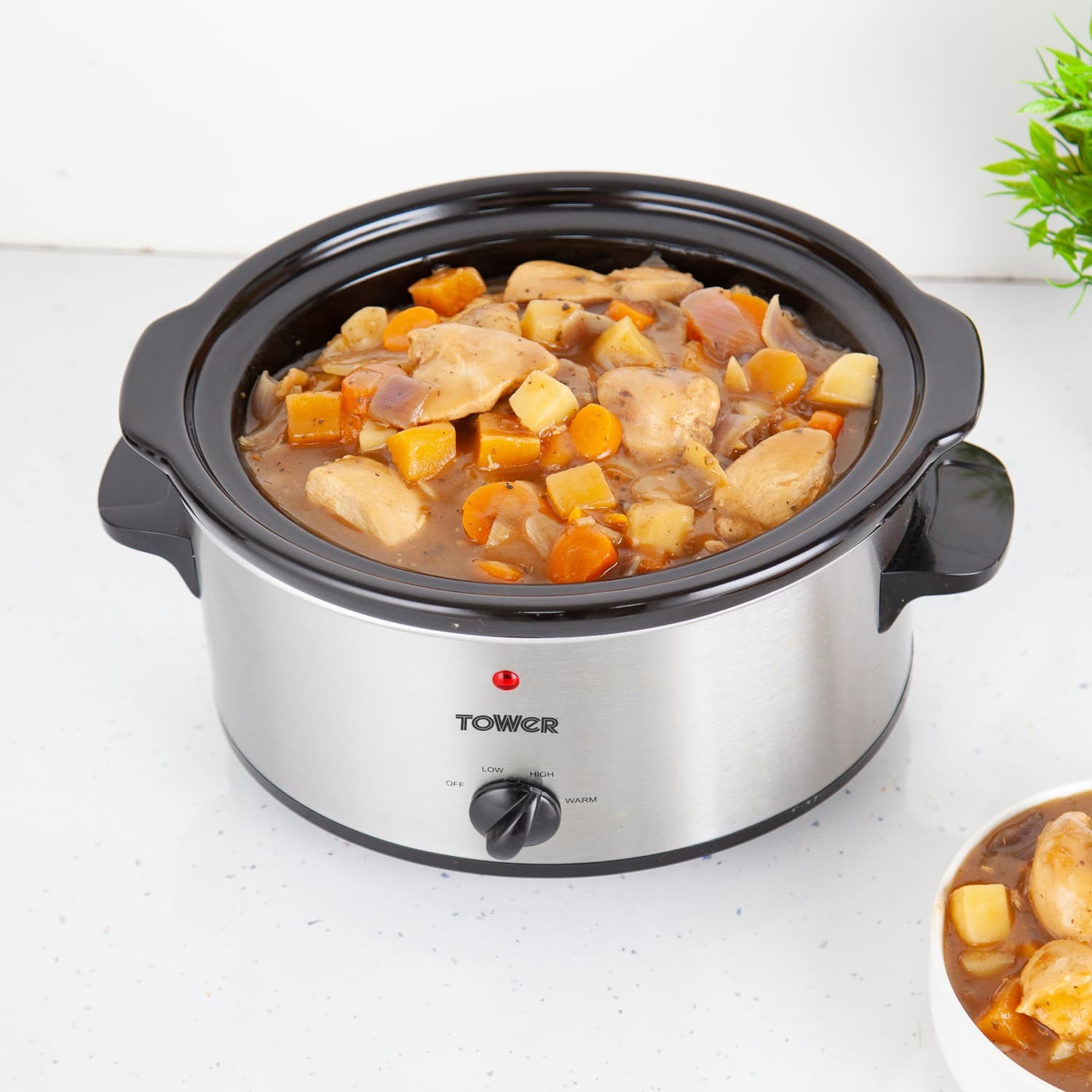
Why Every Kitchen Needs an Electric Slow Cooker: Unpacking the Benefits
Integrating an electric slow cooker into your kitchen routine brings a cascade of benefits, transforming not just how you cook, but how you live.
Reclaim Your Time with Hands-Off Cooking
Perhaps the most celebrated benefit of an electric slow cooker is the gift of time. Imagine prepping ingredients in the morning, setting your cooker, and then heading off to work, errands, or simply enjoying your day, knowing that a delicious, hot meal will be waiting for you. This “set it and forget it” approach eliminates the stress of last-minute cooking, making it perfect for busy professionals and parents alike. “As a culinary expert with years of experience, I can tell you that an electric slow cooker is more than just an appliance; it’s a lifestyle enhancer,” says Chef Eleanor Vance, a seasoned culinary expert. “It frees up your precious time while consistently delivering meals bursting with flavor and nutrition.”
Savor the Flavor: Deep, Rich Tastes
The low, slow cooking process is a flavor magician. It gives ingredients ample time to release their natural essences and blend, resulting in meals with incredible depth and richness. Furthermore, it’s particularly adept at tenderizing less expensive, tougher cuts of meat, like chuck roasts or pork shoulder, transforming them into melt-in-your-mouth masterpieces that fall apart with just a fork.
Smart Savings: Budget-Friendly and Energy-Efficient
An electric slow cooker can be a true ally for your wallet. By making tough cuts of meat wonderfully tender, it allows you to opt for more economical choices without sacrificing taste or texture. Beyond food costs, these appliances are also surprisingly energy-efficient. They typically use significantly less electricity than a standard electric oven, which can lead to noticeable savings on your utility bills over time. “Many people are surprised to learn how energy-efficient modern electric slow cookers can be,” notes David Chen, a Culinary Appliance Specialist. “They use significantly less power than a conventional oven, making them a smart choice for both your wallet and the planet.”
Healthier Meals, Simplified
Say goodbye to takeout guilt! The electric slow cooker encourages cooking from scratch with fresh, wholesome ingredients. This means more control over what goes into your food, leading to meals with less sodium, fewer preservatives, and often better nutrient retention compared to high-heat cooking methods like boiling or frying. It’s an easy way to ensure your family enjoys nutritious, home-cooked goodness every day.
Beyond the Basics: Versatility and Easy Cleanup
While traditionally known for stews and roasts, the electric slow cooker is incredibly versatile, capable of preparing everything from soups and chilies to curries, desserts, and even breakfast oatmeal. And when dinner is done, cleanup is often a breeze. Many recipes are true one-pot wonders, meaning fewer dishes to wash – a definite win in any busy kitchen. Plus, its contained cooking means your kitchen stays cooler, a real advantage on a hot day.
Choosing Your Perfect Culinary Companion: A Buyer’s Guide
With so many electric slow cooker models on the market, selecting the right one can feel a bit overwhelming. Here’s what to look for to ensure you pick your ideal kitchen partner:
Size Matters: Finding the Right Capacity for Your Needs
Slow cookers come in various capacities, typically ranging from 1.5 to 10 quarts.
- 1.5-3 Quarts: Ideal for single servings, dips, or small side dishes.
- 4-6 Quarts: Perfect for couples or small families (3-4 people). This is often the most versatile size.
- 6-8+ Quarts: Best for larger families (4-6+ people), entertaining, or batch cooking for meal prep. An oval shape is particularly good for larger cuts of meat like roasts or whole chickens.
Smart Features: Manual vs. Programmable and Beyond
- Manual: Basic “low,” “high,” and “warm” settings. Simple, reliable, and often more budget-friendly.
- Programmable: Offers digital timers, delayed start options, and automatic switching to a “warm” setting once cooking is complete. This is fantastic for truly hands-off cooking, as you can set it in the morning and come home to a ready meal.
- Multi-Function: Some advanced models can brown/sauté ingredients directly in the pot, steam, or even pressure cook, adding incredible versatility and reducing the need for extra pans. Look for hob-safe inserts if you value this feature.
Material Matters: Understanding Pots and Lids
Most electric slow cookers feature a removable ceramic or porcelain stoneware insert. These are excellent for even heat distribution and are often dishwasher-safe for easy cleaning. The outer casing is typically metal, while the lid is usually glass, allowing you to peek at your culinary creation without lifting the lid and losing precious heat.
Safety First: Essential Features to Look For
Prioritize models with safety features like cool-touch housing, non-slip feet, and secure, locking lids—especially if you plan to transport your slow cooker to potlucks or parties. An auto-shutoff or automatic “keep warm” function also adds peace of mind.
Wattage and Efficiency: What to Consider
For larger models (6-8 quarts), a wattage between 200-300 watts is generally optimal for consistent cooking. While low wattage is key to its energy efficiency, ensuring it’s within this range for its size helps prevent undercooking or drying out food.
Mastering the Art of Slow Cooking: Tips and Techniques
Becoming a slow cooking pro is simpler than you think. Here are a few essential tips to elevate your dishes:
Prep Like a Pro: Essential Steps Before You Start
- Thaw Meats Completely: Always start with fully thawed meat to ensure even and safe cooking.
- Brown Your Meat (Optional but Recommended): While not strictly necessary for all recipes, quickly browning meat on the stovetop before adding it to the slow cooker can add a deeper layer of flavor and color to your final dish.
- Chop Evenly: Cut vegetables and meats into roughly uniform sizes so they cook at a similar rate.
Liquid Logic: Getting the Balance Right
Slow cookers retain a lot of moisture, so you generally need less liquid than traditional stovetop recipes. As a rule of thumb, only fill your slow cooker about two-thirds full to prevent overflow and ensure proper cooking.
Temperature Talk: Low, High, and Warm Settings
- Low Setting: Ideal for cooking for longer durations (6-8+ hours), perfect for tenderizing tough cuts and developing rich flavors.
- High Setting: Cooks food faster (3-4 hours), suitable when you’re short on time.
- Warm Setting: Keeps food at a safe serving temperature without continuing to cook it, great if dinner isn’t immediately served.
Safety in the Slow Cooker: Important Food Handling Advice
- Precook Dry Beans: Always precook dry kidney beans (and some other dry beans) on the stovetop before adding them to your slow cooker to eliminate toxins.
- Dairy Last: Add delicate ingredients like dairy, fresh herbs, or pasta during the last 30 minutes to an hour of cooking to prevent curdling or overcooking.
- No Peeking! Resist the urge to lift the lid frequently, as each peek can drop the internal temperature significantly and extend cooking time.
Beyond Pot Roasts: Delicious Electric Slow Cooker Recipes
The beauty of the electric slow cooker lies in its versatility. You can go far beyond traditional stews!
- Hearty Stews and Chilis: Classic beef stew, white chicken chili, lentil soup – these are slow cooker staples that come out perfectly every time.
- Melt-in-Your-Mouth Meats: Pulled pork for sandwiches, tender shredded chicken for tacos, or succulent pot roasts are effortlessly achieved.
- Soups and Broths: From chicken noodle soup to rich bone broth, the slow cooker extracts maximum flavor.
- Even Desserts and Breakfasts! Think cozy apple crisp, decadent chocolate lava cake, or creamy overnight oatmeal for a warm breakfast ready when you wake up.
Keeping Your Slow Cooker in Top Shape: Care and Maintenance
Proper care ensures your electric slow cooker remains a beloved kitchen companion for years.
Cleaning Made Easy: Tips for Longevity
Most stoneware inserts are dishwasher-safe, making cleanup a breeze. For stubborn residue, soak the pot with warm, soapy water. Always remember: never immerse the electrical base unit in water! A simple wipe-down with a damp cloth is all it needs.
Troubleshooting Common Issues
If your food seems too watery, try reducing the amount of liquid next time. If it’s too dry, you might be overcooking it or your lid isn’t sealing properly. Adjusting cooking times or ensuring a tight lid can often resolve these issues.
Electric Slow Cooker vs. The Alternatives: A Quick Comparison
While there are many ways to cook, the electric slow cooker offers unique advantages.
- Oven vs. Slow Cooker: Ovens provide higher, more direct heat, suitable for baking and roasting. The slow cooker, conversely, excels at low-and-slow moist cooking, tenderizing tough ingredients and infusing flavors without heating up your entire kitchen.
- Instant Pot (Multi-Cooker) vs. Slow Cooker: Multi-cookers like Instant Pots offer both slow cooking and pressure cooking. While they are faster for some dishes due to pressure, the dedicated electric slow cooker often provides a gentler, more traditional slow cook that can yield slightly different texture and flavor profiles, especially for delicate sauces and extremely tender meats. For pure, traditional slow-cooked goodness, the dedicated electric slow cooker often stands out.
Your Journey to Effortless Cooking Begins Now
The electric slow cooker is more than just a kitchen gadget; it’s a testament to the idea that great food doesn’t have to demand all your time. It’s about smart, efficient, and incredibly flavorful cooking that fits seamlessly into your busy life. From tenderizing tough cuts of meat to infusing dishes with unparalleled depth of flavor, and from saving you precious time to helping you create healthier meals, the benefits are undeniable.
So, whether you’re a seasoned chef or just starting your culinary journey, I encourage you to embrace the art of slow cooking. Invest in a quality electric slow cooker, experiment with new recipes, and discover the joy of coming home to a delicious, home-cooked meal ready and waiting for you. Your taste buds, your schedule, and your family will thank you.