In our fast-paced lives, finding time to prepare nourishing, home-cooked meals often feels like an impossible task. But what if you could set dinner to cook in the morning and return to a perfectly prepared, delicious meal? This isn’t a kitchen fantasy; it’s the everyday reality a Digital Slow Cooker offers. As a culinary enthusiast with over 15 years immersed in the world of slow cooking, I’ve seen firsthand how these smart appliances transform busy kitchens, making wholesome eating effortless and enjoyable. They’re not just about convenience; they’re about reclaiming your evenings and rediscovering the joy of flavorful food, all while leveraging modern technology to simplify the process.
The Digital Difference: Why Upgrade Your Slow Cooking Game?
At its core, a slow cooker simmers food at low temperatures over extended periods, tenderizing meats and melding flavors in a way few other cooking methods can. But a digital slow cooker takes this fundamental concept and elevates it with intelligent features, offering a level of control and flexibility that manual models simply can’t match.
Set-It-and-Forget-It Convenience
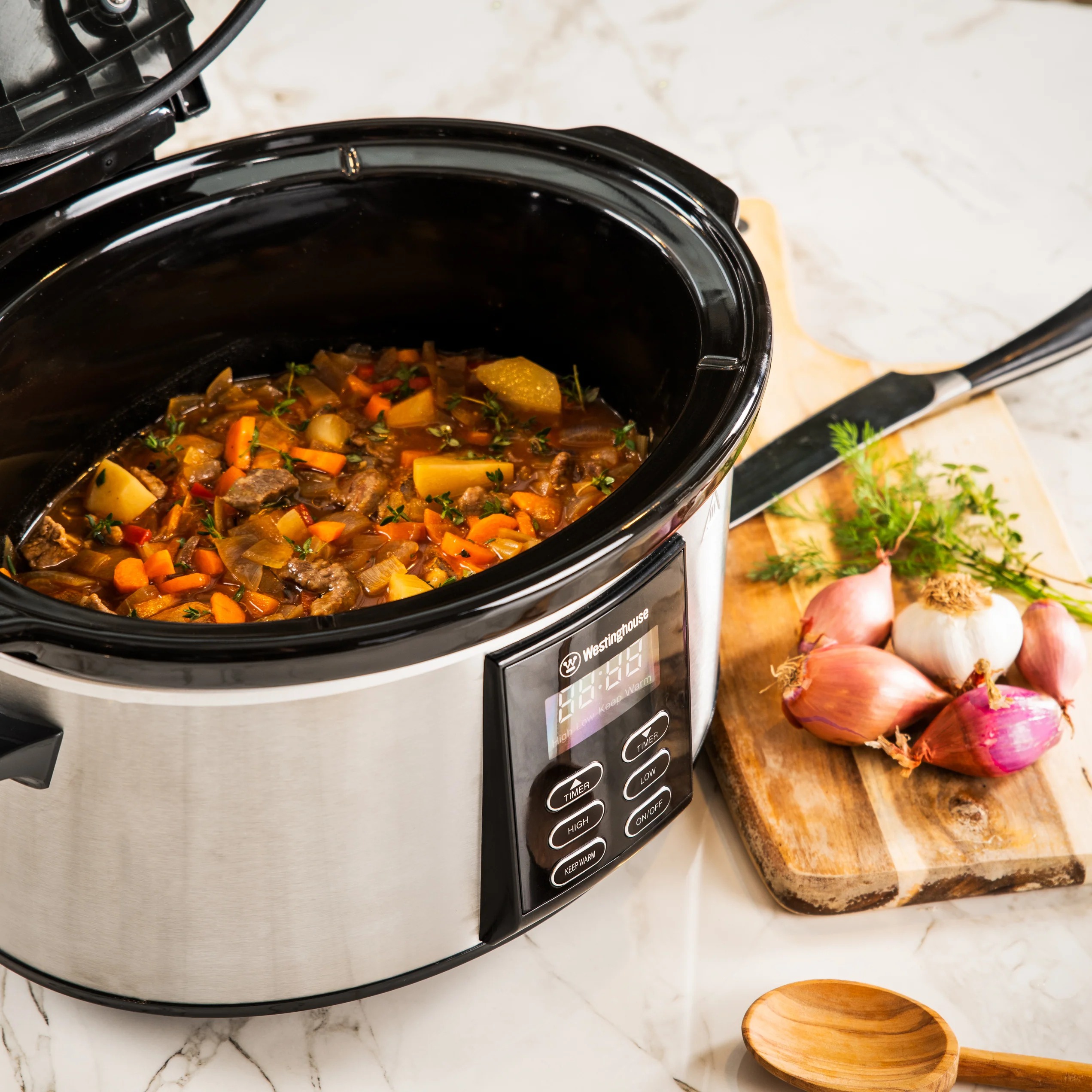
The primary allure of a digital model is its programmability. You can meticulously set specific cooking times and temperatures, then let the appliance handle the rest. Need your chili to simmer for 8 hours on low, but you’ll be out for 10? A digital slow cooker can automatically switch to a “keep warm” setting once the cooking cycle is complete, ensuring your meal stays at a safe, ready-to-eat temperature without overcooking. This automation is a game-changer for anyone with a demanding schedule, allowing you to focus on other priorities without worrying about dinner.
Precision and Consistency
Unlike manual models, which often have basic “low” and “high” settings, many digital slow cookers offer more precise temperature control and consistent heating. This leads to more predictable and delicious results every time. Some advanced models even include temperature probes, allowing you to monitor the internal temperature of your food, like a roast, ensuring it cooks to perfection and never dries out. “The beauty of a digital slow cooker lies in its ability to deliver consistent results, freeing you from constant monitoring,” says Chef Anya Sharma, a renowned culinary expert. “It’s about cooking smarter, not harder.”
Enhanced Safety and Peace of Mind
The automatic shut-off and keep-warm functions of digital slow cookers significantly enhance food safety. You don’t have to rush home to turn off the appliance, minimizing the risk of overcooking or food falling into unsafe temperature zones. This peace of mind is invaluable, especially when you’re juggling work, family, and other commitments.
How Digital Slow Cookers Work Their Magic
Understanding the mechanics behind your digital slow cooker can help you maximize its potential and cook with confidence.
Understanding Programmable Controls
The digital display and control panel are the heart of these appliances. They allow you to select specific cooking times, often ranging from 30 minutes to 24 hours, and choose between various heat settings (low, high, warm). Some models offer a “delay start” function, letting you load ingredients and program the cooker to begin at a later time. This level of programmability ensures your food is ready exactly when you want it, making meal planning incredibly efficient.
The Role of Temperature Probes
Certain high-end digital slow cooker models come equipped with an integrated temperature probe. This probe is inserted directly into your food, typically large cuts of meat, and allows the cooker to monitor the internal temperature. Once the food reaches its target temperature, the slow cooker can automatically switch to a warm setting or turn off, preventing overcooking and ensuring food safety. It’s a fantastic feature for achieving perfectly cooked roasts and poultry.
Automatic Warm Functions
Perhaps one of the most beloved features of a digital slow cooker is its automatic “keep warm” setting. After your programmed cooking time concludes, the appliance seamlessly transitions to a lower temperature setting to keep your meal warm for several hours without continuing to cook it. This means no more frantically rushing home to avoid burnt edges or mushy vegetables; your dinner patiently awaits your arrival.
Choosing Your Perfect Digital Companion
With a plethora of options on the market, selecting the right digital slow cooker can seem daunting. Here’s what to consider to find your ideal kitchen partner.
Capacity: Size Up Your Needs
Slow cookers come in various sizes, typically measured in quarts.
- 1.5 to 3 Quarts: Ideal for single servings, dips, or small side dishes.
- 4 Quarts: Perfect for couples or small families (2-3 people).
- 6 Quarts (Most Popular): Versatile for families of 4-6, allowing for larger roasts and meals with leftovers.
- 7 to 8+ Quarts: Best for large families, entertaining, or meal prepping big batches.
Consider how many people you typically cook for and whether you often host gatherings or enjoy having leftovers.
Features That Matter: Timers, Probes, and More
- Programmable Timer: Essential for hands-off cooking, allowing you to set precise cooking durations.
- Automatic Keep Warm: A standard and highly convenient feature for most digital models.
- Temperature Probe: A bonus for precision cooking, especially with meats.
- Multi-Cooker Functions: Some digital slow cookers double as multi-cookers, offering functions like searing/sautéing, steaming, or even sous vide. This can be a significant space and money saver if you’re looking for versatility.
- Locking Lid: Great for portability if you plan to transport your slow cooker to potlucks or parties.
- Intuitive Controls: Look for a clear, easy-to-read digital display and straightforward buttons.
Material Matters: Crock vs. Metal Inserts
Most slow cookers feature a removable inner pot, often called a crock.
- Ceramic (Stoneware) Crocks: Excellent at retaining and distributing heat evenly. They are often oven-safe and aesthetically pleasing. However, they can be heavy and susceptible to thermal shock (cracking if exposed to extreme temperature changes).
- Metal (Aluminum/Non-stick) Inserts: Lighter and often stovetop-safe, allowing you to sear ingredients directly in the insert before slow cooking. This is a fantastic feature that minimizes dirty dishes. They tend to heat up faster but might not retain heat as long as ceramic.
Beyond Slow Cooking: Multi-Functional Digital Cookers
Modern kitchen appliances are increasingly versatile. Some digital slow cooker models integrate other functions, such as pressure cooking, rice cooking, or even yogurt making. Devices like the Instant Pot are popular examples of multi-cookers that include a slow cooker setting. While these offer great utility, dedicated digital slow cookers often excel specifically at the “low and slow” process, providing consistent, gentle heat.
Budget-Friendly to Premium Picks
Prices vary widely. You can find reliable basic digital models at an affordable price point, while multi-functional or high-capacity units with advanced features will naturally cost more. Investing in a slightly more expensive model might be worthwhile for the added convenience and durability, especially if you plan to use it frequently.
Mastering Your Digital Slow Cooker: Techniques & Tips
Even with the intelligence of a digital slow cooker, a few expert techniques can elevate your meals from good to gourmet.
Prepping for Success
- Chop Evenly: Ensure ingredients like vegetables are cut into uniform sizes for even cooking.
- Browning Meats: While not always necessary, searing meat on the stovetop before adding it to the slow cooker can add depth of flavor and a beautiful crust. Some multi-functional digital slow cookers allow you to do this directly in the insert!
- Layering Ingredients: Place tougher, slower-cooking vegetables (like carrots and potatoes) at the bottom, closer to the heat source. Meats go next, followed by delicate vegetables and liquids.
Liquid Ratios and Browning
Slow cookers retain moisture exceptionally well. For most recipes, you’ll need significantly less liquid than traditional stovetop or oven methods. A good rule of thumb is to reduce liquids by about one-third to one-half compared to conventional recipes. Avoid opening the lid too frequently, as this releases steam and significantly extends cooking time. Each peek can add 15-20 minutes to your cooking time!
Avoiding Common Pitfalls
- Don’t Overfill: Fill your slow cooker between half and two-thirds full for optimal cooking. Overfilling can lead to uneven cooking and spillage, while underfilling might cause food to overcook or dry out.
- Dairy Last: Add dairy products like milk, cream, or cheese towards the end of the cooking process to prevent curdling.
- Herbs and Spices: Whole, dried herbs and spices work well from the start, but fresh delicate herbs should be added closer to serving for maximum flavor.
Using the Keep Warm Setting Wisely
While the “keep warm” function is excellent, it’s designed to maintain food at a safe temperature, not to continue cooking. Prolonged time on “warm” can still lead to overcooked or mushy textures. Aim to serve your meal within 2-4 hours of the cooking cycle finishing on the warm setting.
Savor the Flavor: Popular Digital Slow Cooker Recipes
The possibilities with a digital slow cooker are virtually endless. From hearty comfort food to surprising desserts, it can handle a vast array of dishes.
- Hearty Stews and Chilis: Classic beef stew, chicken and dumpling soup, vegetarian chili, lentil soup – these are all perfect for slow cooking, allowing flavors to meld beautifully.
- Tender Meats: Pulled pork for sandwiches, fall-apart pot roast, shredded chicken for tacos or salads, tender short ribs – the low and slow heat breaks down tough cuts of meat into succulent perfection.
- Effortless Breakfasts and Desserts: Oatmeal, breakfast casseroles, bread pudding, lava cakes, and even baked apples can be prepared in your digital slow cooker, often overnight for a warm morning treat or a simple dessert after dinner.
Care and Keeping: Maintaining Your Digital Slow Cooker
Proper maintenance ensures your digital slow cooker remains a reliable kitchen workhorse for years to come.
Cleaning the Insert and Base
The removable inner pot (crock) is usually dishwasher safe. For stubborn, stuck-on food, fill the pot with warm, soapy water and let it soak, or gently scrub with a non-abrasive sponge. The exterior of the heating base should be wiped clean with a damp cloth; never immerse the base in water.
Troubleshooting Common Issues
- Food Not Cooking: Ensure the lid is properly seated, the unit is plugged in, and the settings are correct. Avoid lifting the lid frequently.
- Food Drying Out: Reduce cooking time, increase liquid slightly, or consider adding food with higher moisture content. A temperature probe can also help prevent overcooking.
- Burned Edges: This can happen if the slow cooker runs too hot or is underfilled. Ensure proper liquid levels and consider a model known for even heating.
Digital Slow Cooker vs. The Rest: A Quick Look
How does a digital slow cooker stack up against other popular kitchen appliances?
Slow Cooker vs. Instant Pot/Pressure Cooker
While many multi-cookers (like the Instant Pot) have a slow cooker function, a dedicated slow cooker typically offers more consistent, gentle “low and slow” heat. Pressure cookers, by contrast, drastically reduce cooking times, which is fantastic for speed but yields a different texture and flavor profile. A digital slow cooker is ideal when you have time and want deep, developed flavors.
Slow Cooker vs. Dutch Oven
Both methods excel at slow, moist-heat cooking. A Dutch oven requires oven space and supervision, while a digital slow cooker offers hands-off, countertop convenience with programmable features, making it safer and more efficient for unattended cooking.
Frequently Asked Questions (FAQ)
What exactly is a digital slow cooker?
A digital slow cooker is an electric cooking appliance that uses low, consistent heat over an extended period to cook food, featuring a digital control panel for setting precise cooking times and often incorporating programmable functions like automatic warm settings and delay timers.
How is a digital slow cooker different from a manual one?
The main difference lies in control. A manual slow cooker typically has basic on/off and high/low settings, while a digital slow cooker offers programmable timers, automatic transitions to “keep warm,” and sometimes temperature probes for greater precision and hands-free operation.
Can I put frozen meat directly into a digital slow cooker?
For food safety reasons, it’s generally not recommended to put large frozen cuts of meat directly into a slow cooker. The meat may spend too long in the “danger zone” (between 40°F and 140°F) where bacteria can multiply rapidly. Thaw meat completely in the refrigerator before slow cooking.
Are digital slow cookers energy efficient?
Yes, digital slow cooker models are generally quite energy-efficient, especially compared to heating a large oven for several hours. They use a low wattage and are designed to maintain a consistent temperature without consuming excessive power.
What are some essential accessories for my digital slow cooker?
Beyond the unit itself, a meat thermometer (if not built-in), a slow cooker liner for easy cleanup, and a cookbook specifically designed for slow cooker recipes can enhance your experience.
How do I prevent my food from getting mushy?
To prevent mushy food, avoid overfilling, don’t overcook (use a timer and switch to “warm” promptly), and add delicate vegetables or dairy products towards the end of the cooking cycle. Ensure liquid levels are appropriate for slow cooking.
What’s the ideal cooking temperature for most recipes?
Most digital slow cooker recipes specify “low” or “high” settings. “Low” typically cooks at around 190-200°F and takes 6-8 hours, while “high” cooks around 280-300°F and takes 3-4 hours. The “warm” setting is usually around 165°F.
Embrace the Art of Effortless Cooking
The digital slow cooker is more than just an appliance; it’s an invitation to a more relaxed and flavorful way of life. It’s about returning home to the comforting aroma of a perfectly cooked meal, knowing you saved time and energy without compromising on taste or nutrition. From busy weeknights to leisurely weekend brunches, these intelligent kitchen companions empower you to create culinary masterpieces with minimal effort. So, whether you’re a seasoned chef or a kitchen novice, dive into the world of digital slow cooking and discover the incredible freedom it brings to your table.