For decades, one name has been synonymous with stress-free, delicious home cooking: Crock-Pot. More than just a brand, the Crock-Pot has etched its place in culinary history as the original slow cooker, revolutionizing how families prepare meals and reclaiming precious time from the kitchen. It’s an appliance that delivers tender, flavorful dishes with minimal effort, perfectly suiting our busy modern lives. If you’ve ever yearned for a hearty meal that practically cooks itself while you go about your day, the Crock Pot The Original Slow Cooker is your reliable kitchen companion, promising nourishing results every time.
What Makes the Crock-Pot “Original”? A Dive into Its Rich History
The story of the slow cooker began not in a bustling factory, but out of necessity and tradition. The concept of low-and-slow cooking stretches back centuries, but the appliance we recognize today has a specific origin. In the 1930s, Jewish inventor Irving Naxon (originally Nachumsohn) developed a device inspired by his mother’s stories of how her Lithuanian grandmother prepared cholent, a traditional Jewish stew cooked slowly for hours to adhere to Sabbath rules. Naxon patented his “Naxon Beanery All-Purpose Cooker” in 1940, a precursor to the modern slow cooker.
However, it was the Rival Manufacturing Company that truly brought this innovative cooking method into the mainstream. In 1970, Rival acquired Naxon’s patent and, in 1972, rebranded the appliance as the “Crock-Pot.” The timing was perfect: as more women entered the workforce, the promise of a “set it and forget it” meal solution resonated deeply. The Crock-Pot became an instant hit, offering busy families a convenient way to prepare affordable, tender, and delicious meals using inexpensive cuts of meat, minimizing time spent in the kitchen. This marked the beginning of the crock pot the original slow cooker‘s legacy as a beloved kitchen staple, evolving from a simple bean cooker to a versatile tool capable of creating countless dishes.
How Does a Crock-Pot Work? The Magic of Low and Slow
At its core, the Crock-Pot operates on a deceptively simple yet highly effective principle: low, consistent heat applied over an extended period. A typical Crock-Pot consists of three main components: a heating base, a removable ceramic or stoneware insert (the “crock”), and a tight-fitting lid, usually made of glass.
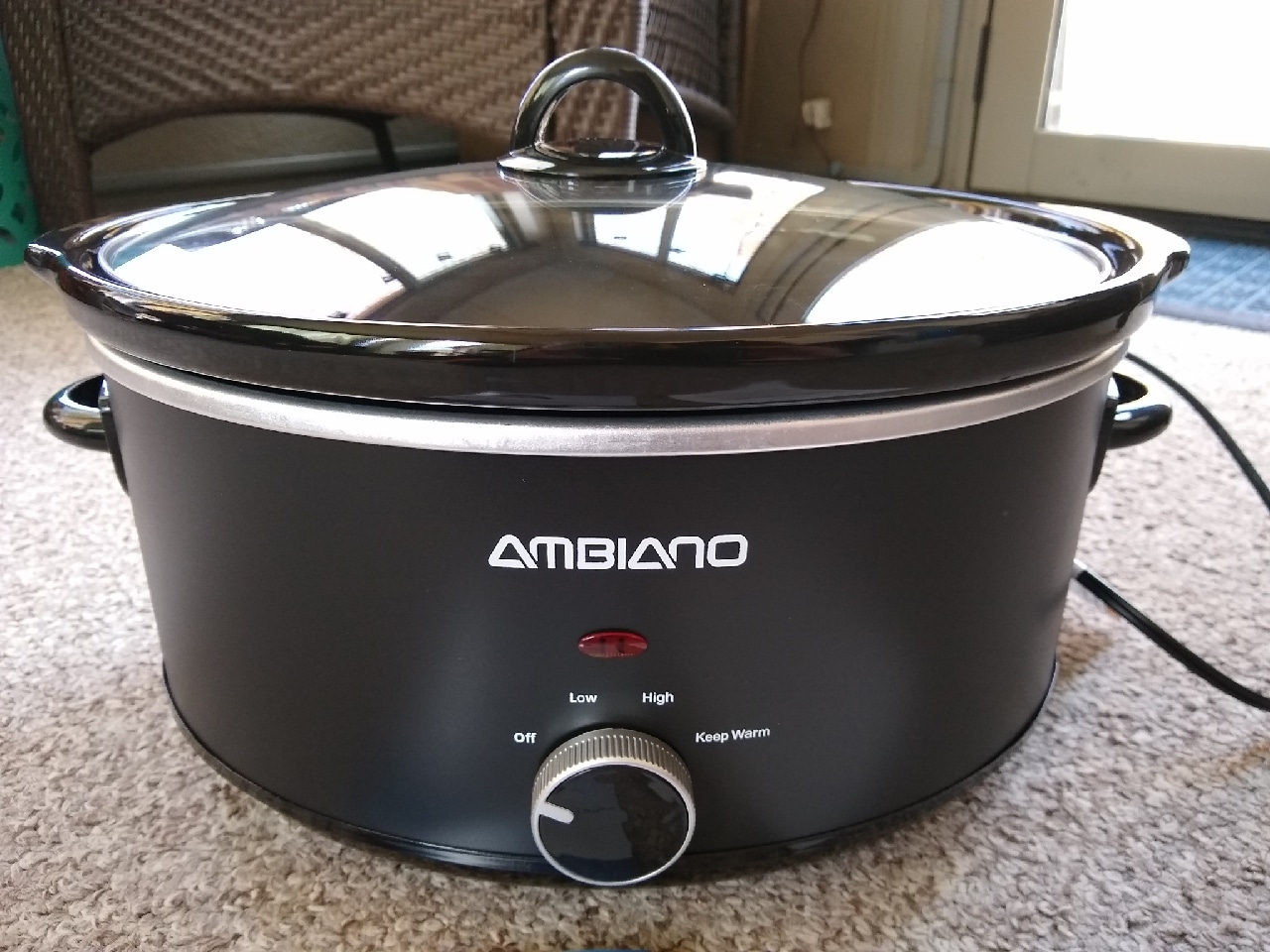
Unlike traditional stovetop cooking or ovens, a Crock-Pot heats food gently from all sides (and often the bottom), creating an evenly heated environment that traps moisture and flavors within the cooking vessel. This moist, low-temperature cooking process breaks down tough fibers in meats and vegetables, resulting in incredibly tender textures and deeply infused flavors that are hard to achieve with quicker cooking methods. It typically offers “Low” (around 170-200°F) and “High” (around 280-300°F) settings, with some models also including a “Warm” setting to keep food at serving temperature without overcooking. This consistent, gentle heat is what allows the crock pot the original slow cooker to work its magic, transforming humble ingredients into culinary masterpieces.
Why Choose a Crock-Pot for Your Kitchen? The Enduring Benefits
The enduring popularity of the Crock-Pot isn’t just about nostalgia; it’s rooted in tangible benefits that cater to the needs of modern households:
Unparalleled Convenience
The “set it and forget it” mantra is the Crock-Pot’s greatest appeal. You can load ingredients in the morning, turn it on, and come home to a fully cooked, delicious meal, ready to serve. This frees up your evenings and allows you to enjoy warm, homemade food even on the busiest days.
Cost-Effectiveness
Slow cooking is a master at tenderizing less expensive cuts of meat, which might otherwise be tough or require extensive preparation. This means you can save money on groceries without sacrificing flavor or quality.
Superior Flavor Development
The extended cooking time at low temperatures allows flavors to meld and deepen in a way that quick cooking simply cannot replicate. Herbs and spices infuse thoroughly, and meats become incredibly succulent.
Nutritional Value
With minimal moisture loss and gentle cooking, many nutrients are retained in the food. It also encourages the creation of homemade meals, allowing you to control ingredients and avoid processed foods.
Versatility Beyond Expectations
While famous for stews and roasts, the Crock-Pot is capable of so much more—from soups and chilis to desserts, dips, and even baked goods. Its adaptability makes it a truly multifunctional appliance.
Choosing Your Perfect Crock-Pot: A Comprehensive Buying Guide
Selecting the right crock pot the original slow cooker for your home depends on your specific needs and lifestyle. Here’s what to consider:
Size Considerations
The capacity of a slow cooker is measured in quarts and is a crucial factor.
- 2-3 Quarts: Ideal for 1-2 people, small side dishes, or appetizers.
- 4-5 Quarts: A versatile “sweet spot” for families of 3-4, handling most standard recipes well.
- 6-7 Quarts: Great for larger families (5+), batch cooking, or bigger cuts of meat.
- 8+ Quarts: Perfect for entertaining, large gatherings, or extensive meal prepping.
Remember, a slow cooker should be filled between one-half and two-thirds full for optimal cooking results.
Key Features to Look For
- Manual Controls: Simple high/low settings, typically more affordable and very reliable.
- Programmable Digital Controls: Offer timer functions, delayed start options, and an automatic switch to a “warm” setting after cooking, providing great flexibility.
- Smart-Enabled Models: Modern Crock-Pots may feature WiFi connectivity, allowing control via smartphone apps, remote monitoring, and recipe integration.
- Removable Crock: Most modern Crock-Pots have a removable ceramic or stoneware insert, which is essential for easy cleanup and often dishwasher safe.
- Glass Lid: A transparent lid allows you to check on your food without lifting it, which helps retain heat and moisture.
- “Warm” Setting: Keeps food at a safe serving temperature without overcooking, ideal for parties or delayed meals.
- Sear Function: Some advanced models allow you to sear or brown meat directly in the insert before slow cooking, minimizing extra pans.
- Locking Lid: If you plan to transport your slow cooker to potlucks or parties, a locking lid with a rubber seal prevents spills.
Mastering the Art of Slow Cooking with Your Crock-Pot: Techniques & Tips
Even though the crock pot the original slow cooker is designed for hands-off cooking, a few expert techniques can elevate your meals:
Don’t Lift That Lid!
This is perhaps the golden rule of slow cooking. Every time you open the lid, a significant amount of heat and steam escapes, adding an estimated 15-30 minutes to your cooking time. Resist the urge to peek or stir until the very end of the cooking process.
Prepare Ingredients Thoughtfully
- Thaw Meat Completely: Always use thawed meat and poultry. Placing frozen meat in a slow cooker can keep food in the “danger zone” (40-140°F) for too long, promoting bacterial growth.
- Layer Wisely: Place firm, slow-cooking vegetables (like carrots, potatoes, onions) at the bottom, as they cook slowest and closer to the heat source. Layer meat on top, followed by quicker-cooking ingredients.
- Brown Meat for Flavor: While optional, searing meat on the stovetop before adding it to the Crock-Pot can significantly enhance flavor and color.
- Mind Your Liquids: Slow cookers retain moisture very well, so recipes often require less liquid than traditional cooking methods. Too much liquid can result in a watery dish.
- Trim Excess Fat: Fat doesn’t drain away in a slow cooker, so trimming it beforehand leads to healthier, less greasy results.
Timing and Additions
- Delicate Ingredients Last: Ingredients like fresh herbs, dairy products (milk, sour cream, yogurt), pasta, bell peppers, or rice should be added in the last 15-30 minutes of cooking to prevent them from becoming mushy or curdled.
- Low vs. High: Cooking on “Low” generally takes about twice as long as “High” but often yields better texture and deeper flavor, especially for meats. Choose the setting based on your schedule.
“The Crock-Pot isn’t just a kitchen appliance; it’s an investment in simpler, more flavorful living,” says Chef Antoine Dubois, a culinary expert with two decades of experience in French and American cuisine. “Its ability to transform humble ingredients into deeply satisfying meals with minimal fuss truly embodies the spirit of comfort food for the modern, busy household.”
Essential Crock-Pot Recipes for Every Home Cook
The versatility of the crock pot the original slow cooker means there’s a recipe for every taste and occasion. Here are some favorites that showcase its capabilities:
- Hearty Pot Roast: A classic for a reason, yielding fork-tender beef and vegetables in a rich gravy.
- Flavorful Chili: Whether beef, turkey, or vegetarian, slow cooking deepens the spice and robustness.
- Pulled Pork or Chicken: Perfect for sandwiches, tacos, or salads, providing melt-in-your-mouth shredded meat.
- Comforting Soups and Stews: From Chicken Noodle Soup to creamy Zuppa Toscana or Lasagna Soup, the Crock-Pot handles them all.
- Easy Chicken & Gravy: Simple, creamy, and satisfying over rice or mashed potatoes.
- Global Flavors: Experiment with dishes like Indian Butter Chicken, Beef Tinga Tacos, or Chicken Curry for delicious international meals.
Keeping Your Crock-Pot Pristine: Cleaning and Maintenance Tips
Proper care ensures your crock pot the original slow cooker remains a reliable workhorse for years.
Daily Cleaning
- Cool Down First: Always unplug your slow cooker and allow the stoneware insert and lid to cool completely before cleaning. Rapid temperature changes can damage the ceramic.
- Hand Wash or Dishwasher: Most removable stoneware inserts and glass lids are dishwasher safe. If hand washing, use hot, soapy water, a soft sponge or cloth, and a rubber spatula for stubborn residue.
- Avoid Harsh Cleaners: Never use abrasive scouring pads, harsh chemicals, or metal utensils that can scratch or damage the ceramic surface.
- Clean the Base: Wipe the exterior heating base with a damp, soapy cloth, then dry thoroughly. Never immerse the heating base in water or any other liquid.
Deep Cleaning for Stubborn Stains or Odors
For cooked-on food or lingering odors, try this Crock-Pot-approved method:
- Fill with Water: Fill the stoneware insert with water, just above the food line.
- Add Cleaning Agents: For a 6-quart model, add 1 cup of distilled white vinegar, then slowly pour in 1 cup of baking soda (½ cup for 3-quart models). Let the bubbles subside.
- Heat Gently: Cover and cook on the LOW setting for 1-4 hours.
- Cool and Wash: Allow it to cool, then pour out the mixture, and wash with warm, soapy water. This method effectively loosens residue and removes mineral deposits or odors.
- Slow Cooker Liners: Consider using slow cooker liners for even easier cleanup, especially with sticky or cheesy dishes.
Crock-Pot vs. Other Slow Cookers: What Sets It Apart?
While “slow cooker” has become a generic term, the Crock-Pot stands out as “the original.” The key distinction often lies in heating element placement. Traditional Crock-Pots are known for having heating elements not just at the bottom, but also around the sides of the ceramic insert. This design promotes more even heat distribution, reducing the likelihood of scorching food on the bottom, a common issue with some generic slow cookers that only heat from below.
This all-around heating ensures that the food inside cooks uniformly and gently, making it particularly adept at tenderizing large cuts of meat without the need for frequent stirring. While many brands now produce high-quality slow cookers, the Crock-Pot brand maintains a reputation for durability, consistent performance, and continuous innovation, offering everything from basic manual models to smart-enabled multi-cookers.
Frequently Asked Questions About Crock-Pots
Q: Can I put frozen meat in a Crock-Pot?
A: It is generally not recommended to put frozen meat directly into a Crock-Pot, especially large pieces. This is because the meat may spend too much time in the “danger zone” (temperatures where bacteria multiply rapidly) before reaching a safe cooking temperature. Always thaw meat completely before slow cooking.
Q: How long can food stay on the warm setting?
A: Most manufacturers recommend that food should not be kept on the “warm” setting for more than 2-4 hours after the cooking cycle is complete. After this time, it’s best to either serve the food or refrigerate it.
Q: Is a Crock-Pot energy efficient?
A: Yes, Crock-Pots are generally energy-efficient, especially when compared to heating a large oven for extended periods. They draw relatively low wattage, often comparable to an incandescent lightbulb, making them a cost-effective choice for all-day cooking.
Q: What’s the difference between a slow cooker and a Crock-Pot?
A: Crock-Pot is a brand name for a type of slow cooker. While all Crock-Pots are slow cookers, not all slow cookers are Crock-Pots. Crock-Pot models typically feature a ceramic insert and heating elements that surround the pot, providing even heat. Generic slow cookers might have different designs, often heating primarily from the bottom.
Q: Can I bake in a Crock-Pot?
A: Yes, you can bake certain items in a Crock-Pot, though it’s not designed for traditional baking. Recipes for “slow cooker cakes,” “brownies,” or “bread puddings” can be adapted. The result will be moister and often denser than oven-baked goods due to the trapped moisture and lower, indirect heat.
Conclusion
The crock pot the original slow cooker remains an indispensable appliance in kitchens worldwide, proving that timeless design and practical utility never go out of style. From its humble beginnings as a bean cooker to its status as a symbol of convenient home cooking, the Crock-Pot continues to empower busy individuals to create delicious, nourishing meals with minimal fuss. By understanding its history, appreciating its benefits, and mastering a few simple techniques, you too can unlock the full potential of this kitchen icon. So, embrace the art of low-and-slow, experiment with new recipes, and let your Crock-Pot transform your mealtime routine into a delightful, stress-free experience. Happy slow cooking!