In the bustling world of commercial kitchens, where efficiency, consistency, and flavor are paramount, the humble slow cooker often gets overlooked. Yet, for seasoned culinary professionals and smart business owners, the Commercial Slow Cooker is an indispensable workhorse, quietly transforming ingredients into mouth-watering meals while saving time, labor, and energy. Far beyond its residential counterpart, a commercial-grade slow cooker is engineered to meet the rigorous demands of restaurants, catering services, buffets, and other high-volume food operations. It’s not just about cooking slowly; it’s about cooking smarter, ensuring every dish is a testament to quality and consistency.
What Makes a Slow Cooker “Commercial Grade”?
When you hear “slow cooker,” you might picture a countertop appliance for family dinners. A commercial slow cooker, however, is a different beast entirely. It’s built from the ground up to endure the relentless pace and high demands of a professional kitchen, featuring robust construction and advanced functionalities that domestic models simply can’t match.
Built for Battle: Durability and Construction
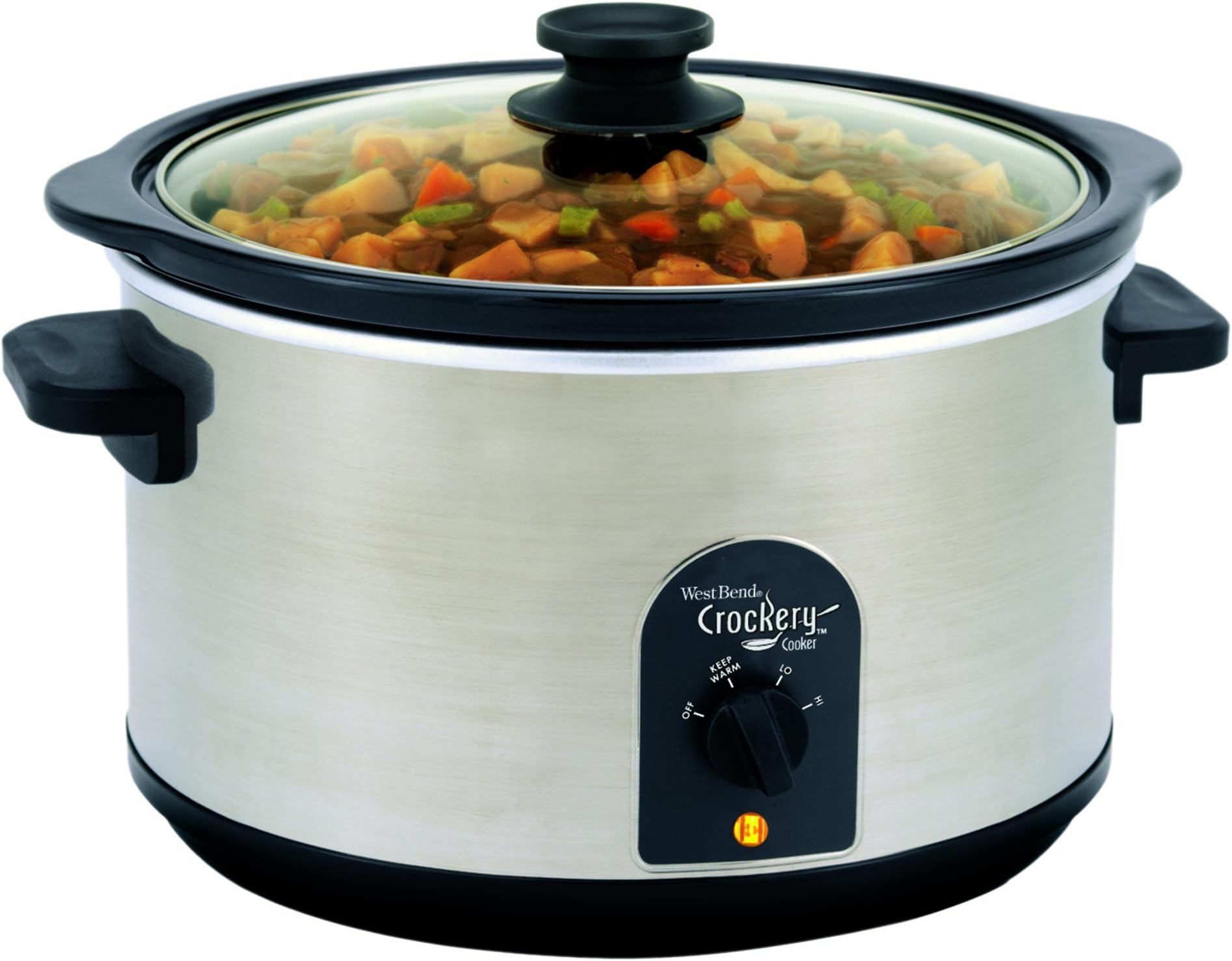
The first thing you’ll notice about a commercial slow cooker is its construction. These units are designed to last, often featuring heavy-duty stainless steel exteriors that can withstand constant use, accidental bumps, and the inevitable spills of a busy kitchen. Unlike residential slow cookers, which might prioritize aesthetics or a lighter build, commercial models focus on ruggedness and longevity. Their components are made to endure prolonged operational hours and frequent cleaning cycles, ensuring they remain reliable day in and day out. This focus on durability translates to a lower total cost of ownership for businesses, as these units require less frequent replacement and maintenance.
Power and Precision: Advanced Temperature Control
Precision is king in a commercial kitchen, especially when it comes to food safety and consistency. Commercial slow cookers offer far more sophisticated temperature control mechanisms than home versions. You’ll find models with precise digital thermostats, programmable settings, and even rethermalizing capabilities to safely bring pre-cooked foods up to serving temperature while preserving their natural juices and flavor. These advanced controls are critical for maintaining food quality, preventing scorching, and adhering to strict health department guidelines. Many units also feature a “hold” function, which keeps food at a safe and ideal serving temperature for extended periods, perfect for buffet lines or large events.
Size Matters: Capacity for High-Volume Demands
Batch cooking is a cornerstone of efficient food service, and commercial slow cookers are designed with this in mind. They boast significantly larger capacities, ranging from several gallons to upwards of 20 quarts or more, enabling kitchens to prepare vast quantities of chili, stews, pulled meats, and more in a single batch. This large capacity is invaluable for businesses looking to streamline their prep, reduce cooking cycles, and ensure a consistent supply of popular menu items without constantly replenishing ingredients or resetting equipment.
The Seal of Approval: Understanding NSF Certification
For any piece of equipment in a professional kitchen, safety and sanitation are non-negotiable. This is where NSF certification comes into play. When a commercial slow cooker is NSF certified, it means it has undergone rigorous testing and meets strict public health and safety standards. These standards cover everything from material safety and design for easy cleaning to performance. Choosing an NSF-listed slow cooker provides peace of mind, ensuring your operation complies with health regulations and maintains the highest standards of hygiene. It’s a hallmark of quality and reliability that distinguishes truly commercial-grade equipment.
Beyond the Home Kitchen: Commercial vs. Residential Slow Cookers
While both types of appliances utilize low, slow heat to tenderize ingredients and meld flavors, the fundamental differences between a commercial slow cooker and its residential counterpart are vast. Think of it like comparing a family sedan to a heavy-duty transport truck – both serve to move things, but their design, capabilities, and purpose are entirely distinct.
Residential slow cookers, such as classic Crock-Pots, are generally smaller, often featuring basic “low,” “high,” and “warm” settings. They’re perfect for a family meal or a small potluck. Their primary heat source typically envelops the ceramic stoneware insert from all sides, providing gentle, even heating for home-style dishes.
Commercial slow cookers, on the other hand, are engineered for continuous, heavy-duty operation. They are built for higher volumes, demand greater durability, and require more precise temperature controls to ensure food safety and consistency across large batches. Some commercial-style units may even have bottom-heating elements, which can require more attention and stirring to prevent scorching, but offer different cooking dynamics suitable for specific commercial applications. Crucially, commercial models are built to withstand constant opening and closing, rapid temperature changes, and the wear and tear of a fast-paced environment, making them a wise investment for any food service business.
The Business Benefits: Why Invest in a Commercial Slow Cooker?
Integrating a commercial slow cooker into your kitchen operation offers a multitude of tangible benefits that directly impact your bottom line and culinary reputation.
- Cost-Effectiveness: Slow cooking can tenderize less expensive cuts of meat, allowing you to create gourmet-quality dishes from budget-friendly ingredients. Furthermore, many commercial models are designed for energy efficiency, operating at lower temperatures than conventional ovens, which can significantly decrease utility bills over time. Some units are even ventless, potentially reducing complex installation costs associated with ventilation systems.
- Labor Savings: The “set it and forget it” nature of slow cooking is a huge advantage in a busy commercial kitchen. It frees up valuable chef time, allowing staff to focus on other tasks while the slow cooker works its magic. Prep can be done in advance, and dishes can cook overnight, ready for service the next day.
- Enhanced Food Quality: Slow cooking excels at breaking down tough fibers, resulting in incredibly tender meats and vegetables. The gentle, moist heat also locks in flavors, creating deeply satisfying, wholesome dishes with minimal weight loss and maximum yield, ensuring profitability.
- Menu Versatility: A commercial slow cooker can handle a wide array of dishes, from hearty stews and robust chilis to succulent pulled pork, braised beef, and even simmering sauces or pasta dishes. This versatility allows you to expand your menu offerings without investing in specialized equipment for each item.
- Consistent Results: With precise temperature controls and uniform heat distribution, commercial slow cookers ensure that every batch, every time, meets your exact standards for taste, texture, and temperature, leading to delighted customers and reduced waste.
Choosing Your Workhorse: Key Considerations for Commercial Buyers
Selecting the right commercial slow cooker is a strategic decision that depends on your specific operational needs. Here’s what to keep in mind:
- Capacity Requirements: Assess your typical batch sizes and daily volume. Do you need a single large unit, or would multiple smaller units offer more flexibility for different dishes? Capacities typically range from 7-quart (for smaller operations or specific dishes) to over 20-quart for high-volume needs.
- Specific Features:
- Programmable Settings: Look for models that offer programmable cooking times and temperatures, allowing for greater automation and precision.
- “Cook and Hold” Function: Essential for buffets or catering, this feature cooks food to perfection and then automatically switches to a safe holding temperature.
- Rethermalizing: If you plan to reheat pre-cooked items, a unit with a rethermalizer function can be highly beneficial.
- Ventless Operation: Consider models that don’t require external ventilation, as this can simplify installation and reduce operational costs.
- Lid Design: Tight-fitting, often clear lids help retain moisture and allow for easy monitoring without heat loss.
- Ease of Cleaning: Removable stoneware or stainless steel inserts, dishwasher-safe components, and smooth, non-porous surfaces are crucial for quick and hygienic cleanup, which is paramount in a commercial setting.
- Brand Reputation and Support: Invest in a reputable brand known for durability and excellent customer service. Consider warranty options and the availability of replacement parts. Brands like Alto-Shaam, Cres Cor, and Vollrath are often associated with commercial-grade equipment.
- NSF Certification: As discussed, this is a non-negotiable for commercial food service to ensure compliance with health and safety standards.
Mastering the Art: Techniques and Tips for Commercial Slow Cooking
Even with the best equipment, mastering commercial slow cooking involves specific techniques to ensure optimal results.
- Food Safety First: Always ensure your ingredients are fresh and stored correctly. When cooking, maintain safe internal temperatures as per food safety guidelines. When holding, keep food above 140°F (60°C). Use calibrated thermometers to verify temperatures regularly.
- Searing for Flavor: For meats, a quick sear in a hot pan before adding them to the slow cooker can add a depth of flavor and appealing color that slow cooking alone cannot achieve.
- Liquid Levels: Unlike stovetop cooking, liquids don’t evaporate as much in a slow cooker. Follow recipes closely for liquid amounts, or start with less and add more if needed. Too much liquid can dilute flavors.
- Layering Ingredients: Place tougher vegetables (like carrots and potatoes) at the bottom, closer to the heat source. Meats can go on top, followed by more delicate vegetables and herbs.
- Preventing Scorching: For models with bottom-heating elements, occasionally stirring thicker sauces or stews, especially towards the end of cooking, can prevent ingredients from sticking and burning at the bottom.
- Don’t Overcrowd: While commercial slow cookers have large capacities, avoid overfilling them, as this can lead to uneven cooking and extended cooking times.
Versatile Menus: Popular Dishes for Commercial Slow Cookers
The commercial slow cooker unlocks a world of culinary possibilities for busy kitchens. Some popular and profitable dishes include:
- Pulled Pork/Chicken/Beef: Perfect for sandwiches, tacos, salads, or main courses. The slow cooking process guarantees fall-apart tender results.
- Hearty Stews and Chilis: Classic comfort food that can be prepared in large batches, ideal for lunch specials, catering, or buffet lines.
- Braised Meats: Dishes like beef bourguignon, pot roast, or lamb shanks benefit immensely from long, slow cooking, developing rich flavors and textures.
- Soups and Broths: Create deeply flavorful stocks and soups with minimal supervision.
- Hot Holding for Buffets: Beyond cooking, many commercial units excel at keeping dishes like mashed potatoes, gravies, or even hot dips at the perfect serving temperature for extended periods.
Maintenance and Longevity: Keeping Your Commercial Slow Cooker Running
Proper care is essential to maximize the lifespan and efficiency of your commercial slow cooker.
- Daily Cleaning: After each use, thoroughly clean the cooking vessel and lid. For removable stoneware inserts, allow them to cool completely before washing to prevent thermal shock. Stainless steel exteriors should be wiped down with appropriate cleaners.
- Deep Cleaning: Periodically, deep clean all components, including the exterior, heating element housing (if accessible and safe), and controls, to remove any accumulated grease or food residue.
- Inspection: Regularly inspect power cords, heating elements, and seals for any signs of wear or damage. Address any issues promptly to prevent breakdowns and ensure safety.
- Manufacturer Guidelines: Always refer to the manufacturer’s specific cleaning and maintenance instructions for your model to ensure optimal performance and longevity.
Expert Insights on Commercial Slow Cooking
“In the fast-paced world of food service, time is money,” says Chef Julian Thorne, a culinary operations specialist with two decades of experience. “A high-quality commercial slow cooker is more than just an appliance; it’s a strategic investment. It allows my teams to produce consistently tender, flavorful dishes with minimal oversight, freeing up skilled labor for more intricate tasks. From perfect braises to keeping sauces at ideal temperatures, these units are indispensable for maintaining quality and efficiency in large-scale operations.”
Frequently Asked Questions About Commercial Slow Cookers
Can a regular slow cooker be used in a commercial kitchen?
While technically possible, it is strongly discouraged and often not compliant with health regulations. Regular slow cookers lack the capacity, durability, precise temperature controls, and NSF certification required for safe and efficient commercial food service. Commercial kitchens require equipment designed for heavy-duty use and strict hygiene standards.
What capacity commercial slow cooker is best for a small restaurant?
For a small restaurant, a commercial slow cooker with a capacity between 7 and 12 quarts is often a good starting point. This allows for batch cooking of popular items without overwhelming space or needing excessive volume. Consider investing in two smaller units rather than one very large one for greater menu flexibility.
How do I ensure food safety when using a commercial slow cooker?
To ensure food safety, always start with properly refrigerated ingredients. Cook foods to their safe minimum internal temperatures, verifying with a calibrated thermometer. When holding food, keep it at or above 140°F (60°C). Avoid leaving cooked food in the “warm” setting for more than a few hours, and cool leftovers rapidly before refrigeration. Regularly clean and sanitize all parts of the commercial slow cooker.
Embrace the Power of Slow
The commercial slow cooker is a game-changer for any food service establishment looking to enhance efficiency, elevate flavor, and streamline operations. By understanding its unique advantages, choosing the right model, and mastering the techniques, you can unlock a world of culinary possibilities, consistently delivering delicious, high-quality meals that keep your customers coming back for more. It’s an investment that truly pays dividends in taste, time, and profitability.