Are you tired of rushing dinner preparations after a long, busy day? Imagine coming home to a savory, perfectly cooked meal, ready to enjoy with minimal effort. That’s the magic of a slow cooker, an indispensable kitchen companion for anyone seeking convenience without compromising on flavor or nutrition. If you’re looking to buy a slow cooker, you’ve come to the right place. As a slow cooker enthusiast with over 15 years of experience, I’m here to guide you through every aspect, ensuring you make the best choice to transform your cooking experience and reclaim precious time in your modern, hectic life.
Why Embrace Slow Cooking? The Undeniable Benefits of a Slow Cooker
The appeal of slow cooking extends far beyond just saving time. This method offers a host of advantages that make it a game-changer in any kitchen.
Time-Saving Convenience
The most obvious benefit is the incredible time-saving aspect. Simply load your ingredients into the pot in the morning, set it, and forget it. Your meal will be ready when you are, eliminating the last-minute rush and stress of dinner prep. This hands-off approach allows you to focus on other tasks, whether it’s work, errands, or spending quality time with family.
Flavor Development and Tenderness
Slow cooking excels at coaxing out deep, rich flavors and tenderizing even the toughest cuts of meat. The prolonged, gentle heat slowly breaks down connective tissues, resulting in incredibly succulent and flavorful dishes that often surpass those cooked with quicker methods. Think fall-off-the-bone ribs or a melt-in-your-mouth pot roast.
Energy Efficiency and Cost Savings
Despite long cooking times, slow cookers are surprisingly energy efficient, often using less electricity than a conventional oven. This translates to lower utility bills. Furthermore, their ability to tenderize inexpensive cuts of meat means you can enjoy delicious, high-quality meals without breaking the bank.
Healthy Meal Preparation
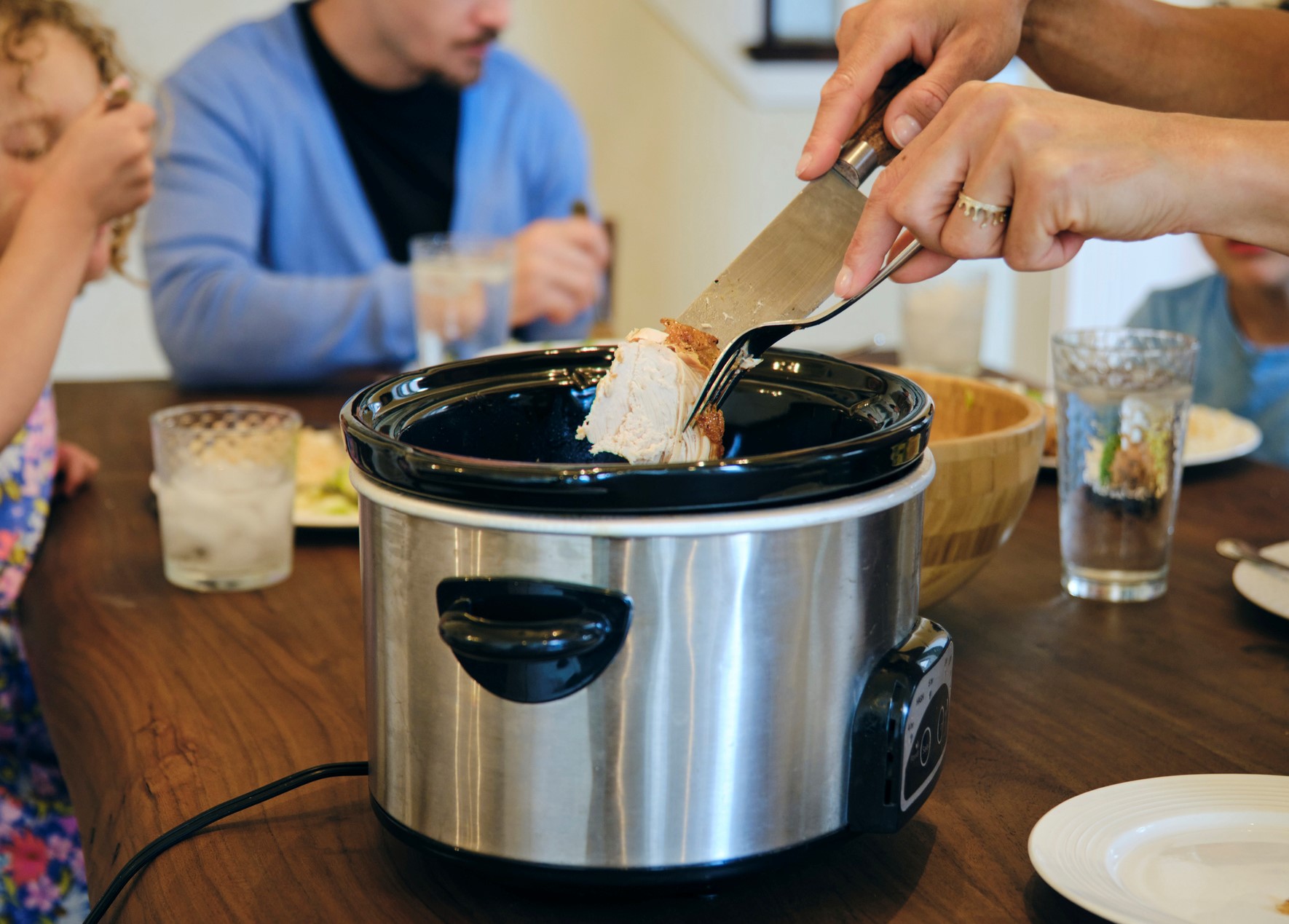
With a slow cooker, you have complete control over your ingredients, making it easier to prepare wholesome, nutritious meals from scratch. You can load it with fresh vegetables, lean proteins, and healthy grains, avoiding processed foods and excess fats often found in convenience meals.
Understanding the Basics: How Slow Cookers Work and Their Types
At its core, a slow cooker is a simple appliance designed for hands-off meal preparation. It consists of a ceramic or porcelain pot nestled within an electric heating unit, covered by a lid. The gentle, consistent heat cooks food slowly over several hours, typically ranging from a few hours to over 12 hours.
The Gentle Heat Principle
Slow cookers operate at lower temperatures compared to ovens or stovetops, typically maintaining a simmer. This low-and-slow approach is key to breaking down tough fibers and melding flavors beautifully without scorching or drying out your food.
Types of Slow Cookers
- Manual Slow Cookers: These are the most basic models, usually offering “High,” “Low,” and “Warm” settings. You manually select the setting and turn it off when cooking is complete. They are straightforward and budget-friendly.
- Programmable Slow Cookers: A step up from manual models, programmable slow cookers allow you to set a specific cooking time, after which they often automatically switch to a “Warm” setting. This feature is a lifesaver for busy schedules, ensuring your food stays at a safe serving temperature until you’re ready to eat. The Hamilton Beach Set & Forget is a popular programmable option that even includes a temperature probe.
- Smart Slow Cookers (Wi-Fi Enabled): For tech-savvy cooks, some modern slow cookers offer Wi-Fi connectivity, allowing you to control and monitor your cooking from a smartphone app.
- Multi-functional Slow Cookers: These versatile appliances combine slow cooking with other functions like searing, sautéing, or steaming. For instance, the GreenPan Elite can heat up to searing temperatures directly in the pot, allowing you to brown meats for added flavor before slow cooking, eliminating the need for an extra pan.
“Understanding the various types and their functionalities is crucial,” explains Chef Anya Sharma, a renowned culinary expert. “A basic model is fantastic for beginners, but a programmable or multi-functional cooker can truly elevate your convenience and culinary results.”
Your Essential Buying Guide: How to Choose the Perfect Slow Cooker
Selecting the right slow cooker involves considering your household size, cooking habits, and desired features.
Capacity: Matching Size to Your Needs
Slow cookers perform best when they are at least half full, so choose a size that aligns with your typical meal portions.
- Small (1-3 quarts): Ideal for single servings, dips, sauces, or small side dishes. A 1.5-quart Crock-Pot Mini is perfect for a dorm room or office, or for keeping dips warm at a party.
- Medium (4-6 quarts): The most common size, suitable for individuals or families of 2-4. A 6-quart model can fit a sizable family meal like a 7-pound pork roast.
- Large (7+ quarts): Best for larger families, entertaining, batch cooking, or preparing big cuts of meat like a 10-pound turkey or 12-pound roast. An 8-quart Crock-Pot can hold enough chili for a dozen people.
- Triple Slow Cookers: For entertaining, models like the Elite Gourmet Maxi-Matic offer three separate 2.5-quart pots with individual controls, perfect for serving multiple dishes or dips at once.
Features That Matter: What to Look For
- Lid Type: Glass lids allow you to monitor food without releasing heat. Locking lids are excellent for portability, preventing spills when transporting your slow cooker to potlucks or gatherings.
- Pot Material: Most inner pots are made of ceramic or stoneware, which are dense, hold heat well, and maintain even temperatures. Some newer models feature lighter aluminum or steel pots, which heat faster and may be stovetop-safe for browning ingredients directly. Metal pots often have a nonstick coating for easier cleanup.
- Shape: Oval-shaped slow cookers are best for accommodating larger items like whole chickens, roasts, or ribs. Round slow cookers are ideal for soups, stews, and casseroles, and often have a smaller countertop footprint, making them easier to store.
- Control Settings: Beyond basic Low/High/Warm, look for programmable timers that automatically switch to “Warm” after cooking. Some advanced models include temperature probes to cook meats to a precise internal temperature. Digital screens with backlights offer improved readability.
- Smart Features: Wi-Fi connectivity allows remote control, while built-in sear functions eliminate the need for pre-browning in a separate pan.
- Cool-Touch Handles: A practical feature that ensures safety when handling the appliance during or after cooking.
Budget Considerations
Slow cookers range widely in price, from basic manual models under $50 to sophisticated multi-functional units over $200. Determine which features are essential for your cooking style to find the best value within your budget.
Mastering the Art: Tips and Techniques for Slow Cooker Success
Using a slow cooker is generally straightforward, but a few techniques can help you achieve perfect results every time.
- Prepare Ingredients Correctly: Chop vegetables evenly to ensure consistent cooking. For best results, brown meats on the stovetop before adding them to the slow cooker; this adds depth of flavor and better texture.
- The “Fill Line” Rule: Slow cookers work best when they are between half and two-thirds full. Overfilling can lead to uneven cooking and spills, while underfilling might dry out your food.
- Convert Recipes Thoughtfully: When adapting traditional recipes, remember that liquids don’t evaporate as much in a slow cooker, so you might need to reduce the amount.
- Add Dairy and Delicate Ingredients Later: Dairy products like milk, cream, or cheese, as well as delicate herbs or fresh pasta, are best added during the last 30 minutes to an hour of cooking to prevent curdling or overcooking.
- Don’t Peek: Resist the urge to lift the lid frequently, as each peek can extend cooking time by 15-20 minutes by releasing trapped heat and steam.
Deliciously Easy: Popular Slow Cooker Recipes to Get You Started
The versatility of the slow cooker means you can prepare an incredible array of dishes. Here are a few popular options:
- Classic Pot Roast: A staple for a reason, yielding incredibly tender beef and vegetables.
- Hearty Chili: Let the flavors meld all day for a rich, robust chili perfect for game day or a cozy night in.
- Pulled Pork: Ideal for sandwiches, tacos, or salads, and so easy to shred after hours of slow cooking.
- Chicken and Dumplings: A comforting, stick-to-your-ribs meal with minimal fuss.
- Vegetarian Lentil Soup: Packed with nutrients and flavor, this can cook while you’re away.
Care and Longevity: Cleaning and Maintaining Your Slow Cooker
Proper care ensures your slow cooker remains a reliable kitchen appliance for years to come.
- Washing the Crock and Lid: Most ceramic or stoneware inserts and glass lids are dishwasher-safe, making cleanup a breeze. For stubborn residue, soak the crock in warm, soapy water before scrubbing.
- Cleaning the Heating Base: Wipe the exterior heating base with a damp cloth. Never immerse the base in water.
- Storage Tips: Ensure all parts are completely dry before storing. If your slow cooker has folding handles, use them to save space. Store the lid inverted on the crock with a paper towel inside to absorb any moisture and prevent odors.
Slow Cooker vs. Instant Pot and Other Appliances: Which is Right for You?
While the slow cooker is a master of its domain, other appliances offer different advantages.
- Speed vs. Simplicity: An Instant Pot (a multi-cooker that includes pressure cooking) offers much faster cooking times but requires more active monitoring. A slow cooker, conversely, is the epitome of “set-it-and-forget-it.”
- Functionality Comparison: Some multi-cookers offer slow cook functions, but a dedicated slow cooker often provides more consistent, reliable results for extended low-temperature cooking. Roaster ovens can also slow cook large items like turkeys but are generally bulkier.
Frequently Asked Questions About Buying a Slow Cooker
Q1: What’s the best size slow cooker for a family of four?
For a family of four, a 5 to 6-quart slow cooker is generally considered ideal. It’s versatile enough to prepare a main course with leftovers or a hearty stew, without being too bulky.
Q2: Are slow cookers energy efficient?
Yes, slow cookers are quite energy efficient. They use less wattage than a conventional oven and, given their long cooking times, their cumulative energy consumption is often lower than alternative cooking methods for similar dishes.
Q3: Can you put frozen meat in a slow cooker?
It is not recommended to put frozen meat directly into a slow cooker. This is because the meat may spend too long in the “danger zone” (between 40°F and 140°F), allowing harmful bacteria to grow. Always thaw meat completely before adding it to your slow cooker. Frozen vegetables, however, are fine to add as they thaw quickly.
Q4: What’s the difference between a slow cooker and a Crock-Pot?
“Crock-Pot” is actually a brand name of a slow cooker, much like “Kleenex” is a brand name for facial tissues. While all Crock-Pots are slow cookers, not all slow cookers are Crock-Pots. The terms are often used interchangeably due to the Crock-Pot brand’s popularity and long history.
Q5: How long do slow cookers typically last?
With proper care and maintenance, a good quality slow cooker can last anywhere from 5 to 10 years, or even longer. Factors like frequency of use, quality of materials, and adherence to cleaning instructions can influence its lifespan.
Conclusion
Investing in a slow cooker is more than just buying another kitchen gadget; it’s about embracing a lifestyle of culinary convenience, healthy eating, and rich, comforting flavors. From tenderizing tough cuts to effortlessly preparing family-sized meals, the benefits of this humble appliance are immense. As you explore the options to buy a slow cooker, consider your specific needs, the features that matter most to you, and the joy of coming home to a delicious meal. I encourage you to delve into the art of slow cooking – experiment with new recipes, share your creations, and discover how this timeless cooking method can simplify your busy life while still delivering incredible taste. Happy slow cooking!