Welcome to Reviewhalloo.com, your trusted guide in the world of slow cooking. With over 15 years immersed in developing slow cooker recipes and understanding the nuances of this incredible appliance, I’m here to demystify the art of “set it and forget it” meals. In our busy modern lives, finding ways to deliver delicious, nutritious meals to your family without endless hours in the kitchen is invaluable. That’s where the Best Slow Cooker comes in, transforming everyday ingredients into tender, flavorful masterpieces with minimal fuss.
Slow cooking isn’t just about convenience; it’s a lifestyle choice that enhances flavor, preserves nutrients, and offers unparalleled ease. Whether you’re a seasoned chef or a kitchen novice, embracing the slow cooker can revolutionize your meal prep. Join me as we explore everything you need to know to choose, use, and cherish your perfect slow cooker.
The Magic of Slow Cooking: How They Work and Why You Need One
At its core, a slow cooker is a simple yet brilliant appliance designed for gentle, prolonged cooking at low temperatures, typically between 180°F to 210°F. This low-and-slow approach allows flavors to meld beautifully, meats to become incredibly tender, and tougher cuts to transform into succulent dishes. The basic mechanism involves a heated base that radiates warmth to an inner cooking vessel, usually ceramic or metal, which is then sealed with a lid to trap moisture and heat, ensuring even cooking without scorching.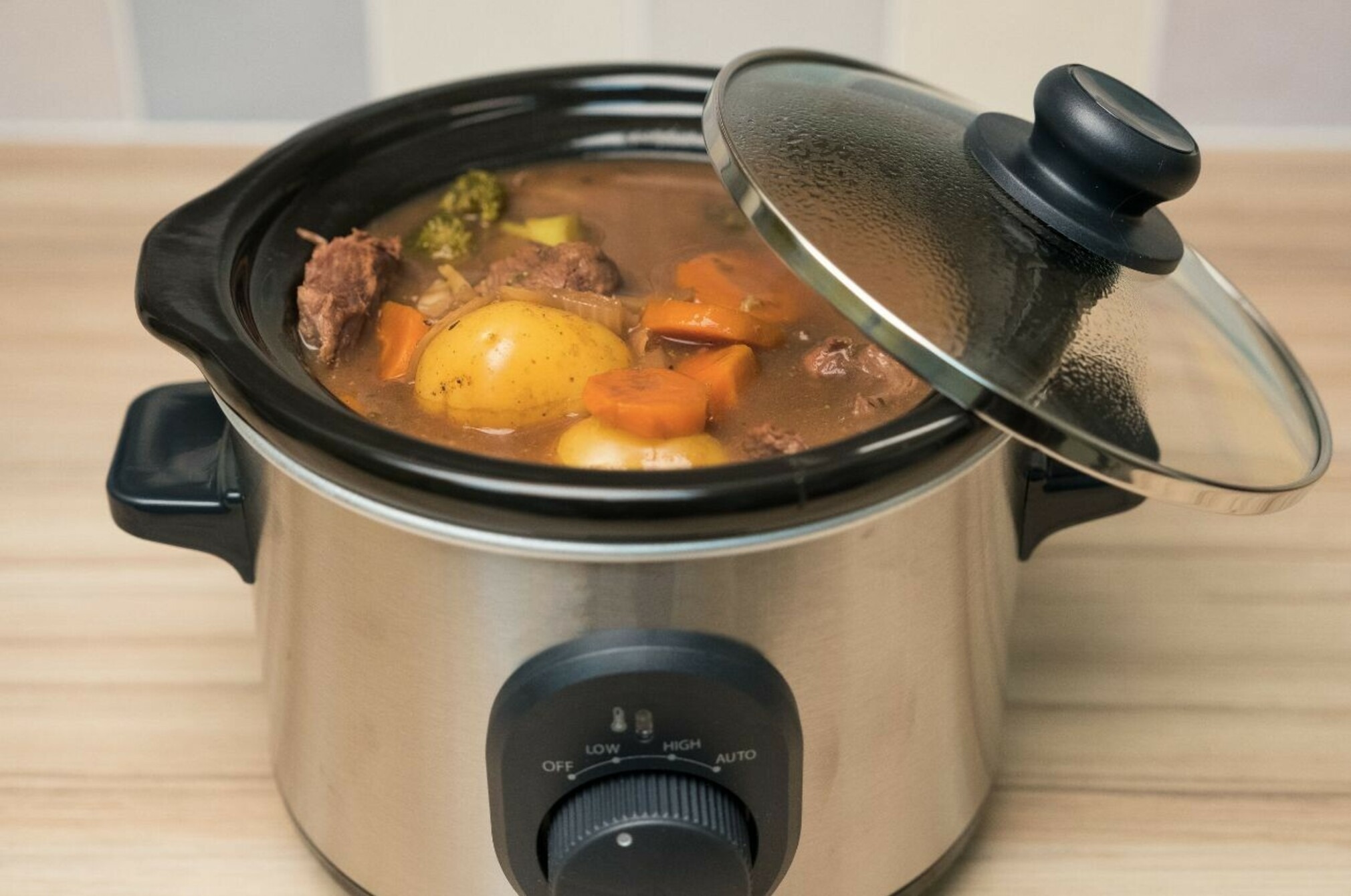
The benefits are extensive:
- Unmatched Convenience: Prepare your ingredients in the morning, set the timer, and return home to a hot, ready-to-eat meal. It’s a game-changer for busy weekdays and hands-off entertaining.
- Enhanced Flavor and Texture: The extended cooking time breaks down tough fibers in meats and vegetables, resulting in incredibly tender textures and a depth of flavor that faster cooking methods often miss.
- Economical Cooking: Slow cookers excel at transforming more affordable cuts of meat and budget-friendly ingredients like beans and root vegetables into gourmet-quality meals.
- Nutrient Retention: Gentle cooking helps retain essential vitamins and minerals that can be lost in high-heat cooking.
- Energy Efficiency: While they cook for longer, slow cookers generally use less electricity than a conventional oven, making them an energy-efficient choice for daily meals.
Decoding the Best Slow Cooker: What to Look For
Choosing the best slow cooker means understanding the key features that align with your cooking style and household needs. Consider these factors when making your selection:
Capacity: Size Matters for Your Lifestyle
Slow cookers come in various sizes, from compact 1.5-quart models perfect for dips or meals for one or two, to large 8-quart units ideal for feeding big families, batch cooking, or entertaining a crowd.
- 1.5-2 quarts: Ideal for single servings, appetizers, or side dishes.
- 4-6 quarts: The most popular size, suitable for 3-6 people, accommodating standard family meals or a small roast.
- 7-10 quarts: Best for large families, meal prepping, or hosting gatherings.
Material: Ceramic, Aluminum, or Cast Iron?
The material of the inner pot significantly impacts performance and versatility.
- Ceramic (Stoneware): Heavy and excellent at retaining heat for even cooking, but slow to heat up and typically not stovetop-safe for browning.
- Aluminum/Stainless Steel: Lighter, heats up quickly, often nonstick, and frequently stovetop-safe for pre-searing ingredients. However, they can sometimes be prone to hot spots.
- Cast Iron: Offers superior heat retention and can be used on the stovetop or in the oven, perfect for developing complex flavors through browning. However, they are heavier.
Settings and Programmability: Beyond Basic
Even budget-friendly slow cookers offer basic “low” and “high” settings, along with a “keep warm” function that automatically activates once cooking is complete. More advanced models boast features like:
- Programmable Timers: Allow you to set specific cooking durations, ensuring your food is ready exactly when you need it.
- Temperature Probes: Monitor the internal temperature of meats, automatically switching to “keep warm” when the target temperature is reached, preventing overcooking.
- Searing/Sauté Functions: Found in many modern multi-cookers, this allows you to brown ingredients directly in the slow cooker pot before slow cooking, adding depth of flavor and reducing extra dirty dishes.
- Delay Start: Lets you program the start time, but use with caution for food safety, especially with perishable ingredients.
Ease of Cleaning: A Key Consideration
Look for models with dishwasher-safe inserts and lids. The base, which contains electrical components, should be easy to wipe clean with a damp cloth. Nonstick coatings can simplify cleanup, but ensure they are durable and metal-utensil safe if that’s important to you.
Additional Features
- Locking Lids: Essential for safely transporting your slow cooker to potlucks or gatherings.
- Cool-Touch Handles and Exterior: Enhances safety, especially if you have children or pets, or if the appliance will be left unattended.
- Shape: Oval shapes are generally preferred for larger cuts of meat like roasts or whole chickens, while round pots are good for stews, soups, and smaller quantities.
Mastering Slow Cooker Techniques and Tips
After years of slow cooking, I’ve gathered invaluable insights to help you get the most out of your appliance:
Preparing Your Ingredients
- Browning Meats: For richer flavor, always sear or brown meats in a separate pan (or a multi-cooker with a browning function) before adding them to the slow cooker. This creates the Maillard reaction, developing deep, savory notes.
- Layering: Place tougher, slower-cooking vegetables like carrots and potatoes at the bottom, closer to the heat source. Meats go next, followed by quicker-cooking vegetables and herbs on top.
- Liquid Levels: Slow cookers retain a lot of moisture, so you generally need less liquid than traditional recipes. Start with about half to two-thirds of the liquid called for in a conventional recipe.
- Dairy and Delicate Ingredients: Add dairy products like milk, cheese, or sour cream in the last 30-60 minutes of cooking to prevent curdling. Delicate herbs and pasta should also be added towards the end to maintain their texture and freshness.
- Frozen Meat: Always thaw frozen meat before adding it to a slow cooker. Cooking frozen meat directly can keep it in the “danger zone” (40-140°F / 4-60°C) for too long, promoting bacterial growth.
Cooking Principles
- Resist the Urge to Peek: Lifting the lid releases heat and steam, significantly extending cooking time. Try to keep the lid on as much as possible.
- Understanding “Low” vs. “High”: The “high” setting cooks food in about half the time of the “low” setting. However, “low” generally yields more tender results, especially for meats.
- Keep Warm Function: Utilize this setting to keep food at a safe serving temperature after cooking is complete, perfect for flexible meal times or entertaining.
Expert Insights
“The beauty of the slow cooker lies in its ability to transform everyday ingredients into extraordinary meals with minimal active effort. Don’t be afraid to experiment with herbs, spices, and even unexpected ingredients like coffee or dark beer to unlock incredible depth of flavor,” advises Eleanor Vance, a seasoned culinary consultant.
Popular Slow Cooker Recipes to Inspire You
The versatility of the slow cooker is truly remarkable. While it’s famous for stews and roasts, it can do so much more:
- Hearty Mains: Pulled pork, beef stew, chili, whole chicken, pot roast, short ribs.
- Soups & Sides: Creamy tomato soup, minestrone, baked potatoes, mashed potatoes, green bean casserole.
- Appetizers: Meatballs, spinach artichoke dip, hot wings.
- Desserts: Peach cobbler, rice pudding, giant cookies.
- Breakfast: Overnight oatmeal, breakfast casseroles.
For a family favorite, my go-to is a classic Slow Cooker Beef Pot Roast. Simply combine beef chuck roast, carrots, potatoes, onions, a rich beef broth, and your favorite herbs. Cook on low for 6-8 hours or high for 3-4 hours, and you’ll have a fall-apart tender meal that nourishes the soul.
Caring for Your Best Slow Cooker
Proper care ensures the longevity and safety of your slow cooker:
- Cleaning: Most inner pots and glass lids are dishwasher-safe. For stubborn food residue, soak the pot in warm, soapy water before scrubbing. Wipe down the exterior base with a damp cloth only, never submerge it in water.
- Storage: Ensure all parts are completely dry before storing to prevent odors or mildew. Store the lid inverted on the pot to allow air circulation.
Slow Cooker vs. Other Cooking Appliances
How does the best slow cooker stack up against other kitchen workhorses?
- Vs. Pressure Cooker (e.g., Instant Pot): A pressure cooker excels at speed, using high pressure to cook food rapidly. While many multi-cookers like the Instant Pot include a slow cooker function, a dedicated slow cooker often provides more consistent low-and-slow results without the tight seal that can prevent evaporation, sometimes leading to watery dishes in multi-cookers. A slow cooker is for gentle, long-term cooking, while a pressure cooker is for fast, intense cooking.
- Vs. Dutch Oven: A Dutch oven can achieve similar slow-cooked results in an oven, but requires more supervision and temperature management. The slow cooker offers true “set it and forget it” convenience for extended periods.
- Vs. Oven: While an oven can braise and roast, running it for many hours is less energy-efficient than a slow cooker for certain dishes.
Each appliance has its strengths, but for unattended, long-duration cooking that tenderizes and builds deep flavor, the slow cooker is unparalleled.
Frequently Asked Questions About Slow Cookers
Q: Can I put frozen meat directly into a slow cooker?
A: No, it is strongly recommended to thaw frozen meat completely before adding it to a slow cooker to ensure it heats quickly and safely, preventing bacteria from multiplying in the “danger zone” temperature range.
Q: What’s the ideal liquid level for slow cooking?
A: Generally, you need less liquid in a slow cooker than conventional recipes because moisture doesn’t evaporate as much. Aim to fill the pot between half and two-thirds full for best results.
Q: Why did my meat turn out tough in the slow cooker?
A: This can happen if the meat didn’t cook long enough to break down connective tissues, or if the slow cooker ran too hot. Ensure you’re using the correct setting (low often yields more tender results) and adequate cooking time for your cut of meat.
Q: Can I use my slow cooker for keeping food warm at a party?
A: Absolutely! Most slow cookers have a “warm” setting designed specifically for this purpose, making them perfect for buffets and entertaining.
Q: Is a multifunctional slow cooker worth the extra cost?
A: If you value versatility and want to brown or sear ingredients in the same pot before slow cooking, a multifunctional model can be a great investment, reducing cleanup and enhancing flavor. However, if you only need basic slow cooking, a simpler model will suffice.
Q: How long can food stay on the “keep warm” setting?
A: While convenient, it’s generally recommended not to leave food on the “keep warm” setting for more than 2-4 hours to maintain food quality and safety.
Embrace the Art of Slow Living with the Best Slow Cooker
The journey of discovering the best slow cooker is one that promises more flavorful meals, less kitchen stress, and a deeper appreciation for the art of slow living. As your dedicated culinary expert at Reviewhalloo.com, I’ve seen firsthand how this humble appliance empowers home cooks to create magic with minimal effort.
I encourage you to explore the myriad possibilities that slow cooking offers. From comforting stews to innovative desserts, your slow cooker is ready to become your most trusted kitchen companion. Experiment with new recipes, adapt old favorites, and most importantly, savor the precious time it gives back to you and your family. Happy slow cooking!