Life moves fast, but your dinner doesn’t have to. For years, the slow cooker has been a kitchen hero for busy families, promising ease and convenience. But what if I told you it’s also your secret weapon for consistently crafting healthy slow cooker meals that nourish your body and delight your taste buds? As someone who has spent over 15 years immersed in the art and science of slow cooking, I’ve seen firsthand how this humble appliance transforms simple ingredients into culinary masterpieces, making healthy eating not just possible, but genuinely enjoyable.
|
Our Picks for the Best Slow Cooker in 2026
As an Amazon Associate I earn from qualifying purchases.
|
||
| Num | Product | Action |
|---|---|---|
| 1 | Crock-Pot 7 Quart Oval Manual Slow Cooker, Stainless Steel (SCV700-S-BR), Versatile Cookware for Large Families or Entertaining |

|
| 2 | Hamilton Beach Slow Cooker, Extra Large 10 Quart, Stay or Go Portable With Lid Lock, Dishwasher Safe Crock, Black (33195) |
|
| 3 | Crock-Pot 6 Quart Cook & Carry Programmable Slow Cooker with Digital Timer Stainless Steel (CPSCVC60LL-S) pack of 1 |
|
| 4 | Ninja MC1101 Foodi Everyday Possible Cooker Pro, 8-in-1 Versatility, One-Pot Faster Cooking Replaces 10 Tools, Family-Sized Capacity with Adjustable Temp Control, 6.5 quarts, Midnight Blue |
|
| 5 | Crock-Pot Large 8-Quart Programmable Slow Cooker with Auto Warm Setting Black Stainless Steel |
|
| 6 | Ninja MC1001 Foodi PossibleCooker PRO 8.5 Quart Multi-Cooker, with 8-in-1 Slow Cooker, Dutch Oven, Steamer, Glass Lid Integrated Spoon, Nonstick, Oven Safe Pot to 500°F, Sea Salt Gray |
|
| 7 | Simple Deluxe 8QT 16-in-1 Multi Electric Pressure Cooker, Non-Stick Stainless Steel Multi-Cooker for Yogurt Maker, Slow Cook, Sauté, Cake, & Warmer, 8 Quarts |
|
| 8 | WESTON BRANDS 2-in-1 Indoor Electric Smoker & Programmable Slow Cooker, 6 Quart, With 3-Tier Smoking Rack for Meat, Cheese and More, Dishwasher Safe Crock, Temperature Probe, Black (03-2500-W) |
|
| 9 | Crock-Pot 6 Quart Programmable Slow Cooker with Timer and Auto Food Warmer Setting, Stainless Steel |
|
| 10 | Ninja® 12-in-1 PossibleCooker™ PLUS - 8.5-qt - Sous Vide & Proof Multi-Cooker - Slow Cooker, Dutch Oven & More - Glass Lid & Integrated Spoon - Nonstick - Oven Safe Pot to 500°F - Black - MC1010 |
|
Why Embrace the Healthy Slow Cooker Lifestyle?
Think beyond just “dump and go.” A healthy slow cooker isn’t just about saving time; it’s about optimizing flavor, preserving nutrients, and simplifying your journey to a more wholesome diet.
Nutritional Powerhouse
One of the greatest advantages of slow cooking is its gentle, consistent heat. This method is incredibly kind to vegetables, helping them retain more of their vitamins and minerals compared to high-heat cooking. For lean proteins, it breaks down tough fibers, making them tender and easier to digest, all while requiring less added fat. This means your healthy slow cooker dishes are often packed with essential nutrients, making every bite count towards your well-being.
Flavor Development
Low and slow isn’t just a catchy phrase; it’s a philosophy that allows flavors to meld and deepen over hours. Imagine rich stews where every vegetable contributes its essence, or succulent meats infused with aromatic herbs and spices. This prolonged cooking time tenderizes tougher cuts of meat and allows ingredients to truly get to know each other, resulting in a complex, satisfying taste profile that often requires less salt and unhealthy additives to shine.
Time-Saving Magic
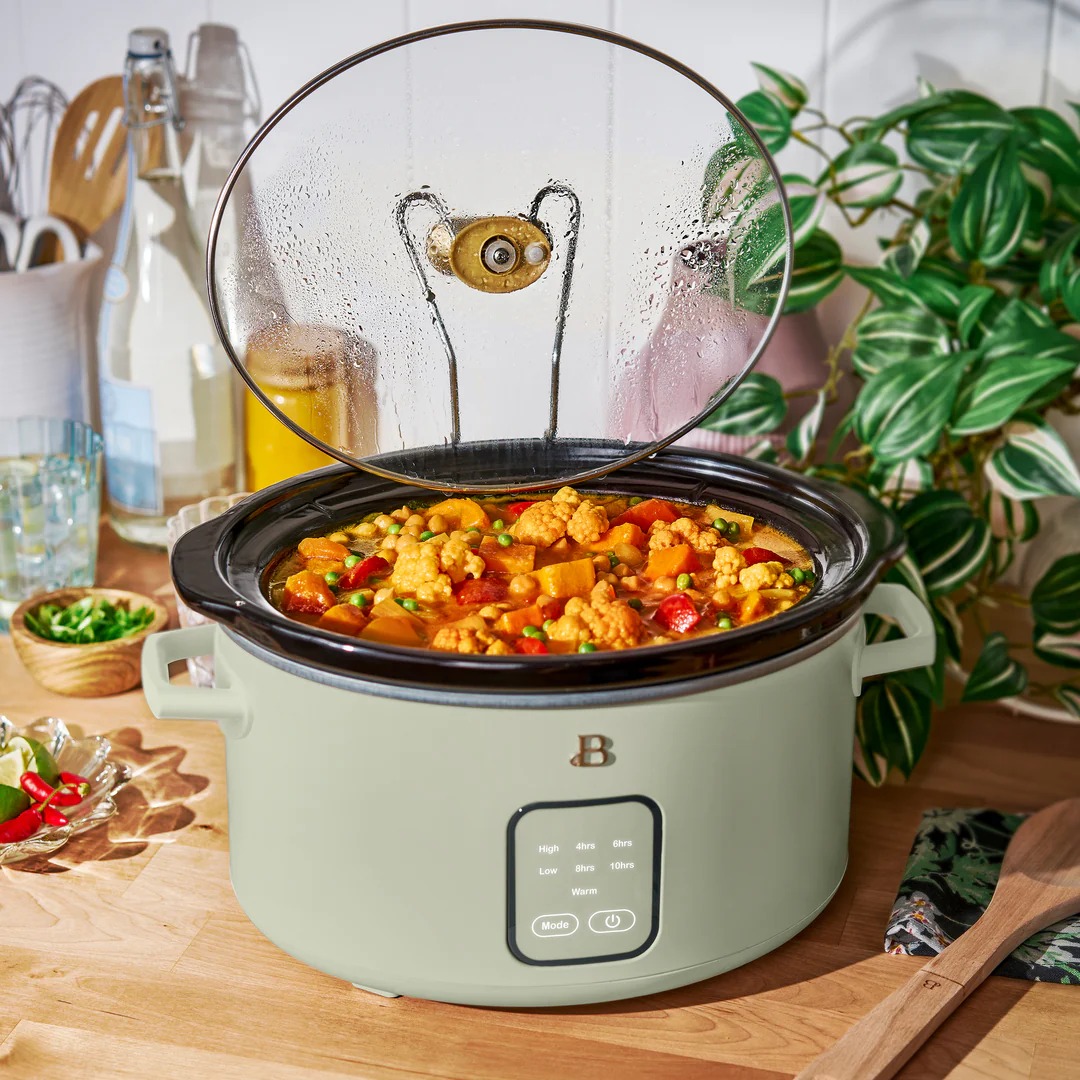
Let’s be real: time is a precious commodity. The healthy slow cooker liberates you from nightly cooking marathons. With just a little morning prep, you can come home to a warm, ready-to-eat meal. This takes the stress out of healthy eating, making it easier to resist takeout temptations and stick to your dietary goals. It’s perfect for meal prepping, too, allowing you to cook large batches of nutritious food for the week ahead.
Understanding Your Healthy Slow Cooker
To truly master healthy slow cooking, it helps to understand how these trusty appliances work.
How Slow Cooking Works Its Magic
A slow cooker operates on a simple principle: consistent, low-temperature heat applied over an extended period. The ceramic or stoneware insert is heated evenly from all sides (and sometimes the bottom) by an electrical heating element, creating a moist cooking environment. This moist heat is key for tenderizing food, preventing drying out, and allowing flavors to develop gradually without the need for constant stirring or monitoring. This controlled environment is ideal for breaking down tough proteins and infusing every ingredient with rich flavor.
Choosing the Right Slow Cooker for Your Healthy Kitchen
Selecting the right appliance is crucial. Look for models with programmable timers, allowing you to set cooking durations and switch to a “keep warm” setting automatically. Sizes typically range from 2-quart (ideal for singles or couples) to 7-quart (perfect for families or meal prepping). Consider features like a stoneware insert for even heating, a secure lid for travel, and a digital display for precision. For those focusing on healthy eating, a non-stick coating on the insert (if not stoneware) can be beneficial, though many prefer natural stoneware for its even heat distribution and ease of cleaning.
Mastering Healthy Slow Cooker Techniques & Tips
Making truly healthy slow cooker meals goes beyond tossing ingredients in. It involves thoughtful preparation and smart choices.
Smart Ingredient Choices
- Lean Proteins: Opt for chicken breast, turkey, lean cuts of beef (like sirloin or round), fish, or plant-based proteins such as lentils, beans, and tofu. Trim visible fat before cooking.
- Abundant Vegetables: Load up on non-starchy vegetables like carrots, celery, bell peppers, onions, zucchini, spinach, kale, and mushrooms. They add nutrients, fiber, and bulk without excess calories.
- Whole Grains & Legumes: Incorporate ingredients like brown rice, quinoa, and a variety of beans (black, kidney, cannellini) for added fiber and sustained energy.
- Herbs and Spices: These are your best friends for flavor! Use fresh or dried herbs (thyme, rosemary, oregano), garlic, ginger, turmeric, cumin, and chili powder to create vibrant tastes without relying on excess salt or unhealthy fats.
- Low-Sodium Broths: Choose low-sodium or unsalted broths to control the sodium content in your dishes.
The Art of Layering and Timing
For optimal results, consider how ingredients cook:
- Harder Vegetables First: Place root vegetables like carrots and potatoes at the bottom, as they take longer to cook and benefit from being submerged in liquid.
- Proteins Next: Lay your chosen protein on top of the vegetables.
- Softer Vegetables Last: Add quicker-cooking vegetables like bell peppers or zucchini in the last hour or two to prevent them from turning mushy.
- Dairy & Herbs: Stir in dairy products (like Greek yogurt or milk) and fresh, delicate herbs (cilantro, parsley) at the very end to preserve their texture and flavor.
Avoiding Common Pitfalls
“One common mistake I see,” says Chef Anya Sharma, a culinary innovator specializing in healthy cuisine, “is adding too much liquid. Slow cookers create their own moisture, so you often need far less liquid than traditional stovetop recipes. Too much can dilute flavors and make your dish watery.” Overcooking is another issue; while slow cookers are forgiving, even they have limits. Use a meat thermometer to ensure proteins reach the correct internal temperature without becoming dry. Finally, don’t be afraid to brown meats before adding them; this simple step significantly enhances flavor.
Essential Safety & Storage
Always ensure your slow cooker reaches a safe temperature quickly to prevent bacterial growth. Never leave perishable food out for more than two hours before cooking. Once cooked, refrigerate leftovers promptly in airtight containers. Cooked slow cooker meals typically last 3-4 days in the refrigerator or up to 3 months in the freezer.
Delicious & Nutritious: Healthy Slow Cooker Recipes to Try
The possibilities are endless when it comes to healthy slow cooker creations.
Lean Protein Powerhouses
- Lemon Herb Chicken: Chicken breasts, lemon slices, garlic, fresh rosemary, and a touch of low-sodium chicken broth. Cook on low for 3-4 hours until tender.
- Turkey Chili with Sweet Potatoes: Ground lean turkey, diced sweet potatoes, black beans, corn, diced tomatoes, and chili spices. A hearty, fiber-rich meal.
- Beef and Broccoli: Lean beef stew meat, broccoli florets (added last hour), low-sodium soy sauce, ginger, garlic, and a hint of honey for a healthier take on a takeout favorite.
Vegetarian & Vegan Delights
- Lentil and Vegetable Soup: Green or brown lentils, carrots, celery, onions, diced tomatoes, vegetable broth, and a medley of herbs. A comforting and protein-packed option.
- Butternut Squash and Chickpea Curry: Cubed butternut squash, chickpeas, coconut milk, curry powder, spinach (added last 30 minutes), and a squeeze of lime.
- Mushroom and Wild Rice Pilaf: Wild rice blend, sliced mushrooms, vegetable broth, and a bouquet of herbs for a savory side or light main.
Hearty Soups & Stews
- Mediterranean Chicken Stew: Chicken thighs, artichoke hearts, sun-dried tomatoes, olives, bell peppers, and oregano with a light tomato broth.
- Garden Vegetable Beef Stew: Lean beef stew meat, potatoes, carrots, peas, green beans, and a rich, savory broth, packed with vegetables.
Unexpected Healthy Treats
Yes, your slow cooker can make healthy desserts too!
- Baked Apples with Cinnamon: Core apples, fill with oats, cinnamon, and a touch of maple syrup. Cook on low until tender.
- Pear and Berry Compote: Sliced pears, mixed berries, a splash of water, and a hint of vanilla for a natural, healthy topping for yogurt or oatmeal.
Maintaining Your Healthy Slow Cooker
A well-maintained slow cooker is a happy slow cooker.
Cleaning & Care
Always unplug your slow cooker and allow it to cool completely before cleaning. The ceramic insert and lid are typically dishwasher safe, or they can be washed by hand with warm, soapy water. For stubborn, stuck-on food, let the insert soak in hot, soapy water for a while. The outer heating unit should be wiped down with a damp cloth; never immerse it in water.
Troubleshooting Common Issues
- Food is too watery: Reduce the amount of liquid next time. Slow cookers retain moisture well.
- Food is bland: Don’t forget to season in layers! Season ingredients lightly before cooking, and then adjust seasoning at the end. Fresh herbs added at the last minute can also brighten flavors.
- Food is overcooked/mushy: You might be cooking on too high a setting or for too long. Adjust cooking times or switch to the ‘low’ setting for longer durations. Using firmer vegetables can also help.
Slow Cooker vs. Other Cooking Methods: A Healthy Perspective
How does the healthy slow cooker stack up against other kitchen workhorses?
Pressure Cooker vs. Slow Cooker
Both offer convenience, but their approaches are distinct. A pressure cooker uses high pressure to cook food rapidly, ideal for getting dinner on the table in a flash. While it also tenderizes meats, the intense heat can sometimes be harder on delicate nutrients. A healthy slow cooker, by contrast, takes its time, allowing flavors to deepen naturally and preserving more delicate textures and nutrients through gentle heat. If speed is your primary goal, a pressure cooker shines. If maximizing flavor depth and nutrient retention with minimal effort is your priority, the slow cooker is your champion.
Oven vs. Slow Cooker
Oven cooking provides versatility and excellent browning, but it often requires higher temperatures and more active monitoring. Baking, roasting, and braising in the oven can certainly be healthy, but they typically consume more energy and might dry out dishes more easily without careful attention. The healthy slow cooker excels in hands-off, moist-heat cooking, ideal for stews, soups, and tender meats, all while using less energy than a traditional oven over several hours. For dishes that need a crispy exterior or very quick cooking, the oven is better. For tender, flavorful, and largely unattended healthy meals, the slow cooker wins.
Frequently Asked Questions
Q: Can I put raw meat directly into a healthy slow cooker?
A: Yes, you can put raw meat directly into a healthy slow cooker. For best results and richer flavor, browning the meat beforehand is often recommended, but it’s not strictly necessary from a safety standpoint as long as the slow cooker reaches a safe temperature.
Q: What is the ideal temperature setting for healthy slow cooking?
A: Most healthy slow cooker recipes call for “low” (around 200°F / 93°C) for 6-8 hours or “high” (around 300°F / 149°C) for 3-4 hours. The “low” setting is generally preferred for nutrient retention and flavor development.
Q: Do I need to add water to every slow cooker recipe?
A: Not necessarily. Slow cookers create a lot of condensation, so many recipes (especially those with high-moisture vegetables or canned tomatoes) require very little or no added liquid. Always check your specific recipe.
Q: How do I prevent vegetables from becoming mushy in a healthy slow cooker?
A: To prevent mushy vegetables, add quicker-cooking vegetables like bell peppers, zucchini, or spinach during the last 30 minutes to 1 hour of cooking. Harder root vegetables can go in earlier.
Q: Is a healthy slow cooker energy efficient?
A: Yes, generally slow cookers are quite energy efficient. They use less wattage than an oven and are designed to run for extended periods at low power, making them a cost-effective choice for long-duration cooking.
Cook Smart, Eat Well
The healthy slow cooker is more than just an appliance; it’s a gateway to a more balanced, flavorful, and less stressful approach to eating. By understanding its principles, making smart ingredient choices, and embracing simple techniques, you can effortlessly create nutritious meals that delight your family and fit seamlessly into your busy life. So go ahead, dust off that slow cooker, explore new recipes, and let this culinary workhorse transform your healthy eating journey. Your taste buds and your schedule will thank you!