Imagine waking up to the comforting aroma of a warm, wholesome breakfast without having lifted a finger. Sounds like a dream, doesn’t it? Well, with the magic of slow cooker oatmeal, that dream can be your everyday reality. As your seasoned slow cooker expert from Reviewhalloo.com, with over 15 years immersed in the art of slow cooking, I’m here to show you how this simple method can transform your mornings, offering a delicious, nutritious, and incredibly convenient start to your day. Forget the frantic dash of stirring pots on the stove; slow cooker oatmeal is about reclaiming your morning time while still providing your family with a hearty, healthy meal.
|
Our Picks for the Best Slow Cooker in 2026
As an Amazon Associate I earn from qualifying purchases.
|
||
| Num | Product | Action |
|---|---|---|
| 1 | Ninja MC1001 Foodi PossibleCooker PRO 8.5 Quart Multi-Cooker, with 8-in-1 Slow Cooker, Dutch Oven, Steamer, Glass Lid Integrated Spoon, Nonstick, Oven Safe Pot to 500°F, Sea Salt Gray |

|
| 2 | WESTON BRANDS 2-in-1 Indoor Electric Smoker & Programmable Slow Cooker, 6 Quart, With 3-Tier Smoking Rack for Meat, Cheese and More, Dishwasher Safe Crock, Temperature Probe, Black (03-2500-W) |
|
| 3 | Hamilton Beach Slow Cooker, Extra Large 10 Quart, Stay or Go Portable With Lid Lock, Dishwasher Safe Crock, Black (33195) |
|
| 4 | Crock-Pot Large 8-Quart Programmable Slow Cooker with Auto Warm Setting Black Stainless Steel |
|
| 5 | Ninja® 12-in-1 PossibleCooker™ PLUS - 8.5-qt - Sous Vide & Proof Multi-Cooker - Slow Cooker, Dutch Oven & More - Glass Lid & Integrated Spoon - Nonstick - Oven Safe Pot to 500°F - Black - MC1010 |
|
| 6 | Simple Deluxe 8QT 16-in-1 Multi Electric Pressure Cooker, Non-Stick Stainless Steel Multi-Cooker for Yogurt Maker, Slow Cook, Sauté, Cake, & Warmer, 8 Quarts |
|
| 7 | Crock-Pot 6 Quart Programmable Slow Cooker with Timer and Auto Food Warmer Setting, Stainless Steel |
|
| 8 | Ninja MC1101 Foodi Everyday Possible Cooker Pro, 8-in-1 Versatility, One-Pot Faster Cooking Replaces 10 Tools, Family-Sized Capacity with Adjustable Temp Control, 6.5 quarts, Midnight Blue |
|
| 9 | Crock-Pot 7 Quart Oval Manual Slow Cooker, Stainless Steel (SCV700-S-BR), Versatile Cookware for Large Families or Entertaining |
|
| 10 | Crock-Pot 6 Quart Cook & Carry Programmable Slow Cooker with Digital Timer Stainless Steel (CPSCVC60LL-S) pack of 1 |
|
Why Slow Cooker Oatmeal Is Your Morning Game Changer
In our bustling modern lives, time is a precious commodity, especially in the mornings. This is precisely where slow cooker oatmeal shines, offering a breakfast solution that aligns perfectly with a busy lifestyle.
The Magic of Hands-Off Breakfast
The primary allure of slow cooker oatmeal is its unparalleled convenience. You do a few minutes of prep the night before, set your slow cooker, and wake up to a perfectly cooked meal. There’s no standing over a hot stove, no constant stirring, and no risk of burning. This hands-off approach means more time for yourself, whether that’s an extra snooze, a peaceful cup of coffee, or getting the kids ready without the added stress of breakfast prep. It’s truly a set-it-and-forget-it marvel that delivers consistent results every single time.
Nutritional Powerhouse Made Easy
Beyond convenience, oatmeal itself is a nutritional superstar. Packed with soluble fiber, it helps keep you feeling full longer, stabilizes blood sugar, and supports digestive health. When prepared in a slow cooker, oats absorb liquid slowly and evenly, resulting in a creamy texture that’s incredibly satisfying. Plus, it’s a blank canvas for healthy additions. From fresh fruits and nuts to seeds and spices, you can customize your slow cooker oatmeal to be as nutritious and delicious as you desire, ensuring your family starts their day fueled and ready to go.
Understanding Your Slow Cooker for Oatmeal Success
To truly master slow cooker oatmeal, it helps to understand a little about how your appliance works and which ingredients are best suited for this gentle cooking method.
How Does a Slow Cooker Work with Grains?
A slow cooker operates by applying low, consistent heat over an extended period. For grains like oats, this means a gradual absorption of liquid, leading to a wonderfully tender and creamy texture that’s hard to achieve with quicker cooking methods. The low temperature prevents scorching and ensures that the oats are thoroughly cooked without breaking down excessively, maintaining their structural integrity and chewy goodness.
Choosing the Right Oats: Steel-Cut vs. Rolled
This is perhaps the most crucial decision for successful slow cooker oatmeal.
- Steel-Cut Oats: The Champion: Without a doubt, steel-cut oats are the preferred choice for slow cooking. Their minimal processing means they retain a heartier, chewier texture that stands up beautifully to long cooking times without turning into mush. They absorb liquid slowly and evenly, resulting in a robust and satisfying bowl of oatmeal.
- Rolled Oats: A Cautious Alternative: While possible, using rolled oats in a slow cooker requires more vigilance. They are more processed than steel-cut oats and will become mushy if overcooked. If you opt for rolled oats, reduce the cooking time significantly and adjust the liquid-to-oat ratio. Quick-cooking or instant oats are generally not recommended for slow cookers as they will completely disintegrate into an unappetizing paste.
Selecting Your Ideal Slow Cooker
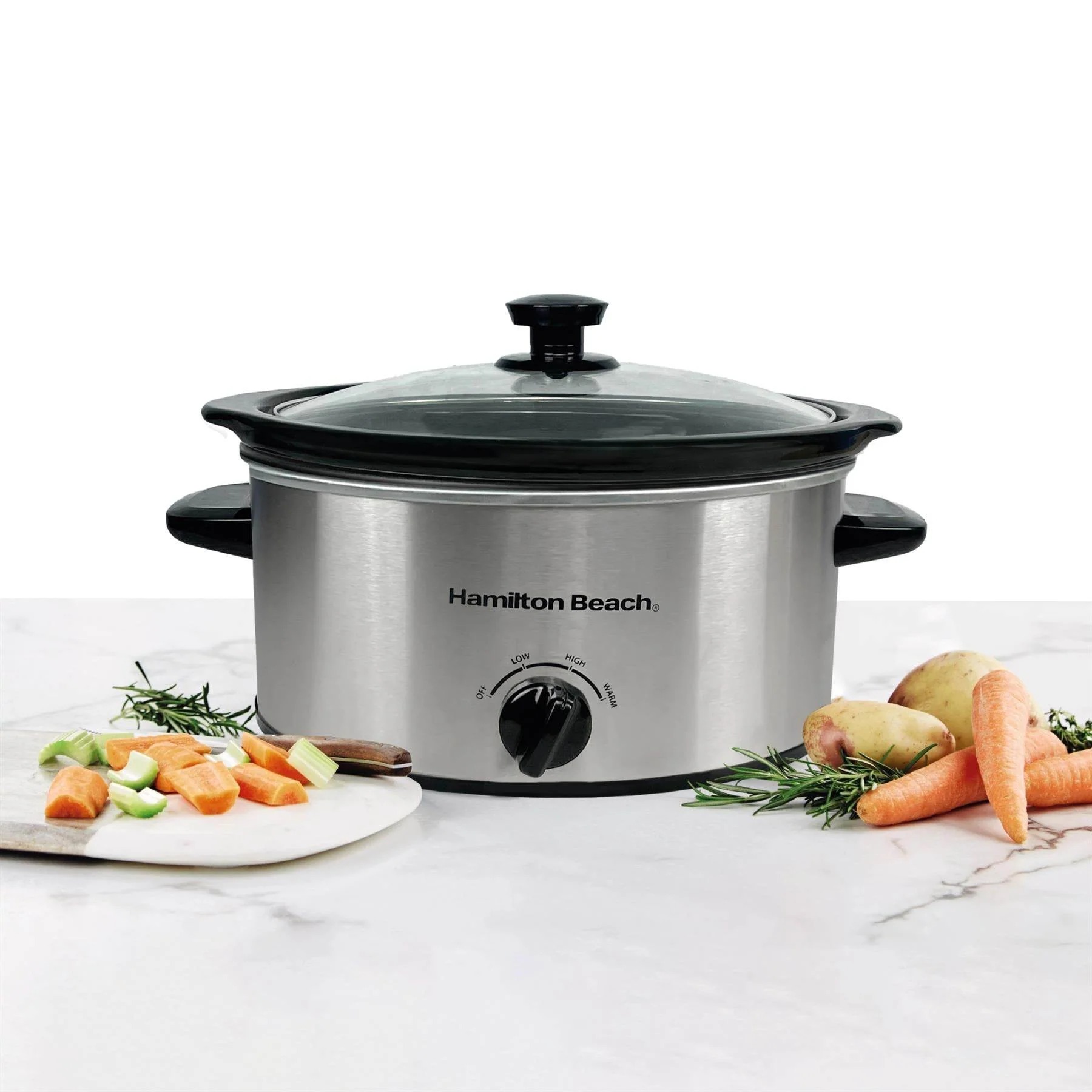
Choosing the right slow cooker can make a big difference in your oatmeal experience. For most families, a 4-quart or 6-quart slow cooker is ideal for making a batch of slow cooker oatmeal that will last for several days or feed a hungry crowd. Look for models with a “Low” setting for extended overnight cooking and ideally a “Keep Warm” function, which is perfect if your mornings are unpredictable and you need your oatmeal to stay warm and ready. A non-stick insert or a ceramic crock is also beneficial for easier cleaning.
Your Essential Guide to Foolproof Slow Cooker Oatmeal
Achieving that perfect bowl of slow cooker oatmeal is simpler than you think, especially with a few expert tips and techniques.
The Golden Ratio: Liquid to Oats
The right liquid-to-oat ratio is paramount for creamy, not soupy or dry, oatmeal.
- For Steel-Cut Oats: Aim for a ratio of 1 part steel-cut oats to 3-4 parts liquid. If you prefer a thicker consistency, start with 3 parts liquid. For a looser, more porridge-like texture, go with 4 parts. Remember, the oats will continue to thicken as they cool.
- For Rolled Oats: If you must use rolled oats, a ratio of 1 part rolled oats to 2-2.5 parts liquid is a good starting point, but be prepared for a shorter cooking time.
Water is a perfectly fine base, but for a richer, creamier slow cooker oatmeal, consider using milk (dairy or plant-based like almond, soy, or oat milk) or a combination of water and milk.
Preventing the Sticky Situation: Tips and Tricks
One common concern with slow cooker oatmeal is sticking or burning. Here’s how to avoid it:
- Generous Non-Stick Spray: Liberally coat the inside of your slow cooker insert with cooking spray. This is your first line of defense.
- Slow Cooker Liners: For ultimate easy cleanup, use a slow cooker liner. The oats won’t stick, and you can simply discard the liner when done.
- The “Water Bath” Method: This is my personal favorite for preventing any scorching, especially if your slow cooker tends to run hot or you want to cook for longer periods. Place your oatmeal ingredients in an oven-safe bowl or casserole dish that fits inside your slow cooker. Add about 1-2 inches of water to the bottom of the slow cooker insert (around the outside of the bowl). This creates a gentle water bath that cooks the oats indirectly, ensuring even heat and virtually no sticking.
Ideal Cooking Times and Temperatures
For slow cooker oatmeal, “low and slow” is the mantra:
- Low Setting (Overnight): 6-8 hours is the sweet spot for steel-cut oats cooked on low. This allows them to slowly soften and become creamy while you sleep.
- High Setting (Daytime): If you need it quicker and can monitor it, 3-4 hours on high can work. However, there’s a higher risk of sticking and a less consistent texture.
- “Keep Warm” Setting: If your slow cooker has a “Keep Warm” function, it’s excellent for holding your oatmeal at serving temperature for an hour or two after cooking is complete, perfect for staggered breakfast times.
Beyond Basic: Flavorful Add-ins for the Cooker
While the cooking liquid provides a base, you can infuse flavor directly into your slow cooker oatmeal during cooking:
- Spices: A pinch of cinnamon, nutmeg, or a dash of pumpkin pie spice can transform your oatmeal.
- Dried Fruits: Dried cranberries, raisins, chopped dried apricots, or dates add natural sweetness and texture. Add them at the beginning of cooking.
- Flavor Extracts: A splash of vanilla extract (add towards the end of cooking or when serving) can enhance sweetness and aroma.
For best results, it’s often best to add fresh fruits, nuts, seeds, and most sweeteners after the oatmeal has cooked. This prevents fresh fruit from becoming overly mushy and allows you to control the sweetness level for each individual serving.
Master Recipes: Delicious Slow Cooker Oatmeal Variations
Let’s get cooking! Here are a few favorite slow cooker oatmeal recipes to get you started, focusing on the versatile steel-cut oats.
Classic Steel-Cut Oatmeal (Base Recipe)
This simple recipe is the foundation for endless variations.
Ingredients:
- 1 cup steel-cut oats
- 3 cups water or milk (or a mix)
- 1/2 tsp salt (optional, but enhances flavor)
Instructions:
- Generously spray the inside of your slow cooker with non-stick spray or use a liner/water bath method.
- Combine oats, liquid, and salt in the slow cooker. Stir well.
- Cover and cook on LOW for 6-8 hours, or until oats are tender and creamy.
- Stir before serving. Serve with your favorite toppings.
Apple Cinnamon Slow Cooker Oatmeal
A comforting classic perfect for autumn mornings.
Ingredients:
- 1 cup steel-cut oats
- 3.5 cups water or milk
- 1 large apple, peeled, cored, and diced
- 1 tsp ground cinnamon
- 1/4 tsp ground nutmeg
- 2 tbsp brown sugar or maple syrup (can add more when serving)
- Pinch of salt
Instructions:
- Prepare your slow cooker as above (spray/liner/water bath).
- Add all ingredients to the slow cooker and stir to combine.
- Cover and cook on LOW for 6-8 hours.
- Stir well before serving. Top with extra apple slices, a drizzle of maple syrup, or chopped nuts.
Banana Bread Slow Cooker Oatmeal
A taste of your favorite quick bread in a healthy breakfast form.
Ingredients:
- 1 cup steel-cut oats
- 3.5 cups water or milk
- 2 ripe bananas, mashed
- 1 tsp vanilla extract
- 1/2 tsp ground cinnamon
- Pinch of salt
- Optional: 1/4 cup chopped walnuts or pecans (add at the end if you want crunch)
Instructions:
- Prepare your slow cooker.
- Combine oats, liquid, mashed bananas, vanilla, cinnamon, and salt in the slow cooker. Stir thoroughly.
- Cover and cook on LOW for 6-8 hours.
- Stir well. If adding nuts for crunch, stir them in now. Serve with extra banana slices or a sprinkle of brown sugar.
Care and Maintenance: Keeping Your Slow Cooker Happy
After enjoying your delicious slow cooker oatmeal, a little care goes a long way in keeping your appliance in top condition. If oats have stuck to the sides, don’t scrub aggressively. Fill the insert with warm, soapy water and let it soak for an hour or two. The residue will soften, making it much easier to clean. For truly stubborn spots, a paste of baking soda and a gentle scrub can work wonders. Always ensure your slow cooker base is wiped clean and dry before storage.
Slow Cooker Oatmeal vs. Other Methods
Why choose a slow cooker for oatmeal when other methods exist?
- Stovetop Oatmeal: Quickest, but requires constant stirring and monitoring to prevent burning and achieve the desired consistency. No hands-off luxury.
- Instant Pot Oatmeal: Faster than a slow cooker, usually taking mere minutes under pressure. However, it’s not an “overnight” solution in the same way; you still need to set it in the morning. While fast, it lacks the true hands-off, wake-up-to-breakfast appeal of the slow cooker for an overnight meal.
The slow cooker carves its niche by offering a truly passive, make-ahead breakfast that fits seamlessly into even the most hectic schedules.
Expert Insights: My Top Tips for Oatmeal Perfection
From my 15 years immersed in slow cooking, I’ve learned a few secrets to truly elevate your slow cooker oatmeal. “Don’t be afraid to experiment with spices and flavor combinations,” advises Chef Lena Nguyen, a culinary innovator focusing on healthy, convenient meals. “A little ginger or cardamom can add a surprising depth, and always remember to save fresh fruits and crunchy toppings for serving. They add vibrancy and texture that really complete the dish.”
Here are my personal takeaways:
- Prep the Night Before: Measure all your dry ingredients and liquids, have your slow cooker ready. The less you have to do in the morning, the better!
- Invest in a Liner (or Cooking Spray): Seriously, this saves so much cleanup time.
- Customize at the Table: While you can add flavors to the pot, the true magic of variety comes from a toppings bar. Think fresh berries, sliced bananas, toasted nuts, seeds, a dollop of yogurt, a drizzle of honey or maple syrup, or even a sprinkle of chocolate chips.
- Adjust to Your Slow Cooker: Every slow cooker is unique. Your first batch might be a tiny bit dry or wet. Don’t be discouraged! Adjust your liquid ratio slightly for the next batch until you find your perfect consistency.
Frequently Asked Questions About Slow Cooker Oatmeal
Q: Can I use instant oats in a slow cooker?
A: No, it’s generally not recommended. Instant oats are designed for very quick cooking and will turn into a mushy, unappetizing paste when subjected to the long cooking times of a slow cooker. Stick to steel-cut oats for the best results.
Q: How do I store leftover slow cooker oatmeal?
A: Allow the oatmeal to cool completely, then transfer it to an airtight container and store it in the refrigerator for up to 4-5 days. Reheat individual portions in the microwave or on the stovetop with a splash of milk or water to loosen it up.
Q: Can I use milk instead of water for cooking?
A: Yes, you can use milk (dairy or plant-based) for cooking your slow cooker oatmeal. It will result in a creamier, richer texture. However, milk can sometimes cause scorching more easily than water, so be extra diligent with non-stick spray or the water bath method.
Q: Why is my slow cooker oatmeal too watery/too thick?
A: This usually comes down to the liquid-to-oat ratio or your slow cooker’s specific heating. If it’s too watery, reduce the liquid slightly next time. If it’s too thick, add a bit more liquid (1/4 to 1/2 cup) in subsequent batches. Remember, oatmeal thickens as it cools, so a slightly looser consistency hot might be perfect once it cools a bit.
Q: What are the best toppings for slow cooker oatmeal?
A: The possibilities are endless! Popular choices include fresh berries, sliced bananas, diced apples, nuts (almonds, walnuts, pecans), seeds (chia, flax, pumpkin), dried fruit, shredded coconut, brown sugar, maple syrup, honey, a swirl of nut butter, or even a dollop of Greek yogurt.
Embrace the Slow Cooker Oatmeal Revolution
There you have it – your comprehensive guide to mastering slow cooker oatmeal. It’s more than just a recipe; it’s a lifestyle hack that promises nourishing, delicious breakfasts with minimal effort. By understanding the principles of slow cooking, choosing the right oats, and applying a few simple tricks, you can unlock a world of convenient and wholesome mornings. I encourage you to experiment, find your favorite flavor combinations, and make this incredibly adaptable dish a staple in your home. Your busy mornings (and your taste buds!) will thank you for embracing the slow cooker oatmeal revolution.