For decades, the Rival slow cooker has been a beloved cornerstone in kitchens worldwide, synonymous with effortless home cooking and delicious, comforting meals. As a seasoned slow cooker enthusiast with over 15 years of experience, I’ve seen firsthand how this humble appliance transforms daily routines, making wholesome eating accessible even for the busiest schedules. If you’re looking to unlock a world of flavor, save time, and nourish your family with minimal fuss, then understanding your Rival slow cooker is your first step towards culinary freedom.
|
Our Picks for the Best Slow Cooker in 2026
As an Amazon Associate I earn from qualifying purchases.
|
||
| Num | Product | Action |
|---|---|---|
| 1 | Crock-Pot 7 Quart Oval Manual Slow Cooker, Stainless Steel (SCV700-S-BR), Versatile Cookware for Large Families or Entertaining |

|
| 2 | Crock-Pot 6 Quart Programmable Slow Cooker with Timer and Auto Food Warmer Setting, Stainless Steel |
|
| 3 | Crock-Pot Large 8-Quart Programmable Slow Cooker with Auto Warm Setting Black Stainless Steel |
|
| 4 | Crock-Pot 6 Quart Cook & Carry Programmable Slow Cooker with Digital Timer Stainless Steel (CPSCVC60LL-S) pack of 1 |
|
| 5 | WESTON BRANDS 2-in-1 Indoor Electric Smoker & Programmable Slow Cooker, 6 Quart, With 3-Tier Smoking Rack for Meat, Cheese and More, Dishwasher Safe Crock, Temperature Probe, Black (03-2500-W) |
|
| 6 | Simple Deluxe 8QT 16-in-1 Multi Electric Pressure Cooker, Non-Stick Stainless Steel Multi-Cooker for Yogurt Maker, Slow Cook, Sauté, Cake, & Warmer, 8 Quarts |
|
| 7 | Ninja® 12-in-1 PossibleCooker™ PLUS - 8.5-qt - Sous Vide & Proof Multi-Cooker - Slow Cooker, Dutch Oven & More - Glass Lid & Integrated Spoon - Nonstick - Oven Safe Pot to 500°F - Black - MC1010 |
|
| 8 | Ninja MC1001 Foodi PossibleCooker PRO 8.5 Quart Multi-Cooker, with 8-in-1 Slow Cooker, Dutch Oven, Steamer, Glass Lid Integrated Spoon, Nonstick, Oven Safe Pot to 500°F, Sea Salt Gray |
|
| 9 | Hamilton Beach Slow Cooker, Extra Large 10 Quart, Stay or Go Portable With Lid Lock, Dishwasher Safe Crock, Black (33195) |
|
| 10 | Ninja MC1101 Foodi Everyday Possible Cooker Pro, 8-in-1 Versatility, One-Pot Faster Cooking Replaces 10 Tools, Family-Sized Capacity with Adjustable Temp Control, 6.5 quarts, Midnight Blue |
|
The Enduring Legacy of Rival Slow Cookers
The story of the Rival slow cooker is deeply intertwined with the very origin of the slow cooking revolution. The Rival Manufacturing Company famously introduced the first Crock-Pot slow cooker in 1971, essentially creating the modern slow cooking category. While the brand name “Rival” might not be as overtly prominent on slow cookers today as “Crock-Pot” (which is now a brand name under Newell Brands, having been acquired through a series of corporate changes), the innovative spirit and foundational design principles of those early Rival models continue to influence the slow cookers we use. When people talk about a “Rival slow cooker,” they’re often referring to the reliable, no-nonsense appliance that set the standard for convenient, long-simmered perfection. This legacy of dependability and ease of use is precisely why so many home cooks remain loyal to the design philosophy pioneered by Rival.
Understanding Your Rival Slow Cooker: Features and Functionality
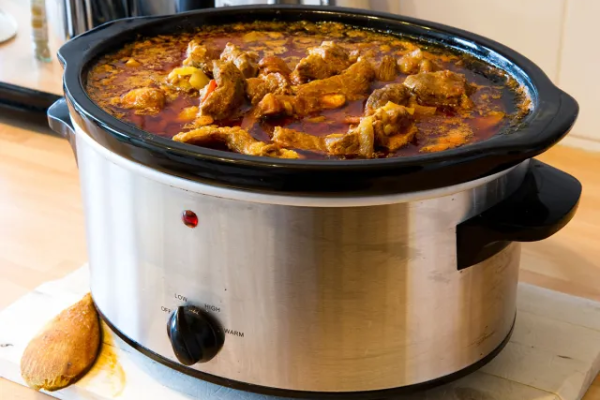
At its core, a Rival slow cooker is elegantly simple yet incredibly effective. It typically consists of three main components: a heating base, a removable stoneware crock, and a lid. The heating elements in the base gently warm the stoneware, cooking food slowly and evenly over several hours.
What are the common settings on a Rival slow cooker?
Most Rival slow cookers come with a few basic settings:
- LOW: Ideal for longer cooking times, typically 6-8 hours, or even up to 10-12 hours for some recipes. This setting ensures delicate ingredients don’t overcook and tough cuts of meat become incredibly tender.
- HIGH: Used for shorter cooking times, usually 3-4 hours, when you need a meal ready faster. Keep in mind that “high” on a slow cooker is still a gentle heat compared to an oven or stovetop.
- WARM: This setting maintains food at a safe serving temperature after it has finished cooking. It’s perfect for potlucks or when dinner needs to be held for a while, but it’s not meant for cooking food from raw.
“The beauty of a Rival slow cooker lies in its simplicity,” says Chef Anna Lee, a renowned culinary expert. “You set it, and you literally forget it. The consistent, gentle heat does all the hard work, transforming humble ingredients into something extraordinary.”
Capacities for Rival slow cookers can range from small 1.5-quart models perfect for dips or single servings, all the way up to large 8-quart units designed for family gatherings or batch cooking. Shapes vary too, with round models often suited for soups and stews, and oval ones better for roasts or whole chickens. The stoneware crock, usually ceramic, is crucial for even heat distribution and retention, while glass lids allow you to peek without disrupting the cooking process.
Choosing the Perfect Rival Slow Cooker for Your Kitchen
Selecting the right Rival slow cooker involves considering your lifestyle and cooking habits. With many options available, here’s how to make an informed choice:
What capacity Rival slow cooker do I need?
- 1.5 to 3 Quarts: Ideal for single servings, dips, sauces, or appetizers.
- 4 to 5 Quarts: Perfect for 2-4 people, standard meals, and small roasts. This is a very popular size for couples or small families.
- 6 to 7 Quarts: Great for families of 4-6, larger meals, or when you want leftovers. Most family-sized recipes are designed for this capacity.
- 8 Quarts and Up: Excellent for large families, entertaining, or serious batch cooking.
Should I get a manual or programmable Rival slow cooker?
- Manual Slow Cookers: These are straightforward with simple “Low,” “High,” and “Warm” settings. They are often more affordable and incredibly reliable. You’ll need to manually turn them off or switch to “Warm” when cooking time is complete.
- Programmable Slow Cookers: These offer more convenience with digital timers that allow you to set specific cooking times, after which they automatically switch to the “Warm” setting. Some advanced models even feature temperature probes or specific recipe settings.
Consider if you need a locking lid for transporting food to potlucks, or if a standard glass lid is sufficient for home use. The material of the stoneware also matters; some are lighter and easier to clean, while others are heavier and retain heat exceptionally well. Ultimately, the best Rival slow cooker for you blends functionality with your specific needs.
Unlocking Flavor: Essential Techniques for Your Rival Slow Cooker
Using a slow cooker is forgiving, but a few expert techniques can elevate your dishes from good to outstanding.
What are the best practices for prepping ingredients for a Rival slow cooker?
- Brown Your Meat (Optional, but Recommended): While not strictly necessary, searing meat on the stovetop before adding it to the slow cooker caramelizes its exterior, adding a depth of flavor that can’t be achieved otherwise.
- Chop Evenly: Ensure all vegetables and meats are cut into relatively uniform sizes to promote even cooking. Denser vegetables like carrots and potatoes should be cut smaller than softer ones.
- Layer Strategically: Place root vegetables (carrots, potatoes) and other longer-cooking ingredients at the bottom, closest to the heat. Meats go next, followed by softer vegetables and herbs on top.
- Mind the Liquid: Slow cookers retain moisture very well, so you’ll typically need less liquid than conventional recipes. Aim for liquids to cover about half to two-thirds of your ingredients. Too much liquid can lead to watery results.
- Avoid Overfilling: Never fill your Rival slow cooker more than two-thirds full, and ideally, not less than half full. Overfilling can lead to uneven cooking and spillage, while underfilling can dry out food.
“Patience is the secret ingredient in slow cooking,” I often tell my students. “Don’t rush the process, and definitely don’t lift that lid too often! Each peek releases precious heat and moisture, extending your cooking time.”
Delicious Recipes to Master with Your Rival Slow Cooker
The versatility of the Rival slow cooker is truly incredible, making it suitable for a vast array of dishes. Here are some categories to get your inspiration flowing:
Comfort Food Classics
- Pot Roast: A staple for a reason. Combine a chuck roast with potatoes, carrots, onions, and beef broth for a melt-in-your-mouth meal.
- Pulled Pork/Chicken: Perfect for sandwiches, tacos, or salads. Cook pork shoulder or chicken breasts with BBQ sauce or your favorite spices until shreddable.
- Chili: Simmered to perfection, chili develops incredible depth of flavor in a slow cooker.
- Beef Stew: Tender chunks of beef, hearty vegetables, and a rich gravy.
Soups and Stews
- Chicken Noodle Soup: Homemade goodness that soothes the soul.
- Minestrone: A vibrant vegetable soup that gets better with every hour of simmering.
- French Onion Soup: Caramelized onions slowly cooked in rich beef broth, ready for a cheesy crouton topping.
Beyond Savory: Desserts and Breakfasts
- Slow Cooker Apple Crisp: Apples cooked until tender under a buttery oat topping.
- Chocolate Lava Cake: Believe it or not, your Rival slow cooker can make a decadent, gooey dessert.
- Overnight Oatmeal: Wake up to a warm, ready-to-eat breakfast.
- Frittatas/Casseroles: Prepare the night before and cook on low for a convenient morning meal.
Care and Maintenance for Longevity
To ensure your Rival slow cooker serves you for years to come, proper care and maintenance are essential.
How do I clean my Rival slow cooker?
- Stoneware Crock: The removable stoneware is usually dishwasher safe, making cleanup a breeze. For stubborn, stuck-on food, fill the crock with hot soapy water and let it soak for an hour or two before scrubbing. Avoid abrasive cleaners that could damage the glaze.
- Lid: Glass lids are also typically dishwasher safe. Hand wash with warm soapy water if you prefer.
- Heating Base: Always unplug the unit before cleaning. Wipe the exterior of the heating base with a damp cloth. Never immerse the heating base in water.
What are common troubleshooting tips for a Rival slow cooker?
- Food not cooking properly: Ensure the lid is securely on and not lifted frequently. Check that the “Warm” setting wasn’t accidentally selected instead of “Low” or “High.”
- Uneven heating: Make sure the slow cooker is placed on a flat, even surface. Avoid overcrowding the crock.
- Stuck-on food: As mentioned, soaking is your best friend. A silicone spatula can help gently scrape off residue without scratching.
With a little care, your Rival slow cooker will continue to be a reliable partner in your kitchen.
Rival Slow Cooker vs. Other Cooking Appliances
In a world filled with high-tech kitchen gadgets, why does the classic Rival slow cooker continue to hold its own?
How does a Rival slow cooker compare to an Instant Pot or pressure cooker?
While Instant Pots (multi-cookers that include a pressure cooking function) offer speed, a slow cooker excels in developing deep, complex flavors that only come with extended, gentle simmering. Pressure cookers are great for tough cuts of meat in a fraction of the time, but the texture and flavor profile are distinctly different. A slow cooker allows for hands-off cooking over many hours, tenderizing ingredients and melding flavors without constant supervision. It’s a different kind of convenience, focused on long-term flavor development rather than rapid cooking.
What are the advantages of a Rival slow cooker over a conventional oven?
The main advantage is energy efficiency and consistency. A slow cooker uses less energy than a full-sized oven for similar cooking times, and it doesn’t heat up your entire kitchen. Moreover, the low and consistent heat of a slow cooker is perfect for achieving ultra-tender results that are hard to replicate in an oven without constant monitoring. It truly shines for dishes that benefit from long, slow braising or simmering.
“The Rival slow cooker isn’t just an appliance; it’s a lifestyle choice for busy families,” reflects our content expert. “It’s about making wholesome, delicious food without being chained to the stove. It simplifies meal prep and brings everyone to the table.”
Frequently Asked Questions About Rival Slow Cookers
Are Rival slow cookers still made?
While the “Rival” brand name for slow cookers has largely been absorbed by “Crock-Pot” under Newell Brands, the fundamental design and reliability that Rival pioneered are still very much present in modern Crock-Pot appliances. You might not see a “Rival” brand slow cooker on shelves today, but its legacy lives on through the Crock-Pot brand, which continues to be a market leader based on Rival’s original innovations.
What’s the difference between Rival and Crock-Pot?
Historically, Rival Manufacturing Company created the Crock-Pot slow cooker. Over time, the company and its brands were acquired, and “Crock-Pot” evolved into its own distinct brand within a larger corporate umbrella (currently Newell Brands). So, while “Rival” was the original company, “Crock-Pot” is the enduring product brand that emerged from that history, and the terms are often used interchangeably by consumers due to their shared past.
How long can I leave food in a Rival slow cooker on ‘warm’?
It’s generally safe to leave food on the “Warm” setting for up to 2-4 hours after cooking is complete. Beyond that, food safety guidelines suggest refrigerating leftovers promptly. The “Warm” setting is designed to maintain temperature, not to keep food safe indefinitely.
Can I put frozen meat in a Rival slow cooker?
For food safety reasons, it’s generally not recommended to put large frozen cuts of meat directly into a slow cooker. The slow heating process means the meat stays in the “danger zone” (40°F-140°F / 4°C-60°C) for too long, allowing bacteria to multiply. Thaw meat completely in the refrigerator before adding it to your slow cooker.
How do I know if my Rival slow cooker is working correctly?
You can test its temperature by placing a food thermometer into a full crock of water on the “Low” or “High” setting. After the recommended cooking time, the water should reach a safe temperature (e.g., 185°F to 205°F for “Low” and 200°F to 215°F for “High”). If it’s not reaching these temperatures, it might indicate an issue.
Conclusion
The Rival slow cooker, through its rich history and enduring design, continues to prove itself as an indispensable tool for modern home cooks. It offers a unique blend of convenience, flavor development, and nutritional benefits that align perfectly with busy lifestyles. By understanding its functions, mastering a few simple techniques, and exploring a world of recipes, you can transform your kitchen experience, creating hearty, wholesome meals with minimal effort. So, dust off your Rival slow cooker, or consider investing in one, and embark on a culinary journey that promises delicious rewards and more precious time for yourself and your loved ones. Happy slow cooking!