In our bustling modern lives, finding time to craft wholesome, delicious meals can feel like a culinary quest. Yet, imagine returning home to the comforting aroma of a meal slowly simmering to perfection, demanding minimal effort from your busy day. This is the everyday magic of a slow cooker, and it’s particularly transformative when it comes to the delightful experience of slow cooker hot pot. Whether you envision a hearty, bubbling stew that warms the soul or a vibrant, interactive Asian-style feast with friends, your slow cooker is a secret weapon, ready to revolutionize your kitchen and bring incredible flavor to your table.
|
Our Picks for the Best Slow Cooker in 2026
As an Amazon Associate I earn from qualifying purchases.
|
||
| Num | Product | Action |
|---|---|---|
| 1 | Crock-Pot Large 8-Quart Programmable Slow Cooker with Auto Warm Setting Black Stainless Steel |

|
| 2 | Simple Deluxe 8QT 16-in-1 Multi Electric Pressure Cooker, Non-Stick Stainless Steel Multi-Cooker for Yogurt Maker, Slow Cook, Sauté, Cake, & Warmer, 8 Quarts |
|
| 3 | Crock-Pot 7 Quart Oval Manual Slow Cooker, Stainless Steel (SCV700-S-BR), Versatile Cookware for Large Families or Entertaining |
|
| 4 | WESTON BRANDS 2-in-1 Indoor Electric Smoker & Programmable Slow Cooker, 6 Quart, With 3-Tier Smoking Rack for Meat, Cheese and More, Dishwasher Safe Crock, Temperature Probe, Black (03-2500-W) |
|
| 5 | Crock-Pot 6 Quart Programmable Slow Cooker with Timer and Auto Food Warmer Setting, Stainless Steel |
|
| 6 | Ninja MC1001 Foodi PossibleCooker PRO 8.5 Quart Multi-Cooker, with 8-in-1 Slow Cooker, Dutch Oven, Steamer, Glass Lid Integrated Spoon, Nonstick, Oven Safe Pot to 500°F, Sea Salt Gray |
|
| 7 | Hamilton Beach Slow Cooker, Extra Large 10 Quart, Stay or Go Portable With Lid Lock, Dishwasher Safe Crock, Black (33195) |
|
| 8 | Crock-Pot 6 Quart Cook & Carry Programmable Slow Cooker with Digital Timer Stainless Steel (CPSCVC60LL-S) pack of 1 |
|
| 9 | Ninja® 12-in-1 PossibleCooker™ PLUS - 8.5-qt - Sous Vide & Proof Multi-Cooker - Slow Cooker, Dutch Oven & More - Glass Lid & Integrated Spoon - Nonstick - Oven Safe Pot to 500°F - Black - MC1010 |
|
| 10 | Ninja MC1101 Foodi Everyday Possible Cooker Pro, 8-in-1 Versatility, One-Pot Faster Cooking Replaces 10 Tools, Family-Sized Capacity with Adjustable Temp Control, 6.5 quarts, Midnight Blue |
|
What Exactly is “Slow Cooker Hot Pot”? Decoding the Culinary Term
The term “hot pot” can conjure different images, depending on your culinary background. When paired with “slow cooker,” it usually refers to one of two wonderful cooking experiences:
The Hearty Stew: A Comfort Food Classic
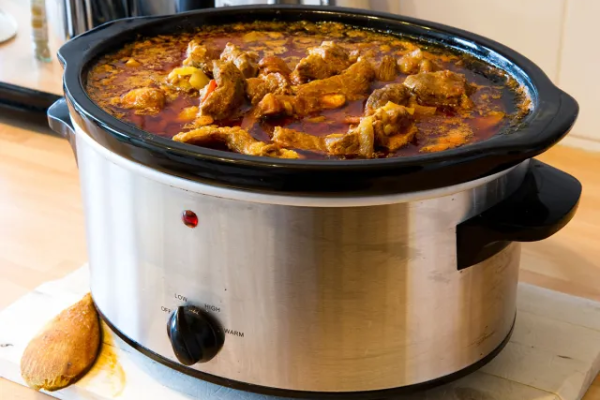
For many, especially in Western cuisines, “hot pot” is synonymous with a rich, savory stew, often featuring tender cuts of meat and an abundance of root vegetables, traditionally topped with sliced potatoes. Think of it as the ultimate one-pot meal, a dish where flavors meld over hours, resulting in a deeply satisfying and nourishing creation. Using your slow cooker for this kind of hot pot unlocks unparalleled convenience, transforming tough, economical cuts of meat into melt-in-your-mouth perfection while you go about your day. The long, gentle simmer ensures every vegetable is infused with the savory broth, creating a cohesive and incredibly comforting dish.
The Communal Feast: Asian Hot Pot, Slow Cooker Style
On the other hand, “hot pot” often refers to the beloved Asian culinary tradition of communal dining, where a simmering pot of broth is placed at the center of the table. Diners cook thinly sliced meats, seafood, vegetables, and noodles directly in the hot broth, then dip them in an array of sauces. While dedicated hot pot burners offer rapid heating, a slow cooker can be cleverly adapted to bring this interactive and flavorful experience into your home, offering a more relaxed pace and a sustained gentle simmer that’s perfect for intimate gatherings. It keeps the broth warm and inviting, allowing everyone to customize their meal bite by delicious bite.
Why Choose Your Slow Cooker for Hot Pot? The Undeniable Advantages
Embracing your slow cooker for either style of hot pot, or indeed any meal, brings a host of benefits that perfectly align with a busy, health-conscious lifestyle.
Convenience Redefined: Set It and Forget It
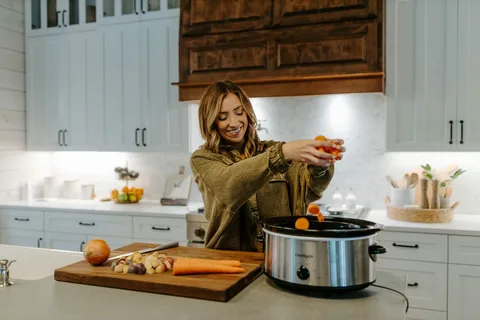
The ultimate draw of the slow cooker is its “set it and forget it” nature. You can load your ingredients in the morning, switch it on, and return hours later to a fully cooked, aromatic meal. This freedom allows you to reclaim precious time, making home-cooked meals a reality even on your busiest days. It significantly reduces the temptation to resort to takeout, promoting healthier eating habits.
Flavor Infusion and Tender Perfection
Slow cooking excels at coaxing out the deepest flavors from your ingredients. The extended simmering time allows spices and herbs to fully permeate meats and vegetables, creating a more complex and harmonious taste profile. Furthermore, the low, consistent heat works wonders on tougher, less expensive cuts of meat, breaking down connective tissues and rendering them incredibly tender and juicy. This method ensures that every mouthful is packed with rich, developed flavor.
Energy Efficiency and Less Mess
Compared to constantly running an oven or stovetop burners, a slow cooker is remarkably energy-efficient, using less electricity over its extended cooking period. This can translate to lower utility bills, a welcome bonus in any household. Additionally, the one-pot nature of most slow cooker recipes means significantly less cleanup. Often, you’re left with just the stoneware insert and lid to wash, a stark contrast to the pile of pots and pans from traditional cooking methods.
Healthy and Nutritious Meals
Slow cooking is an excellent way to prepare healthy meals. The gentle heat helps to preserve more vitamins and minerals in your food compared to high-heat cooking methods. Ingredients cook in their own juices, reducing the need for excessive added fats or oils. It also encourages the incorporation of a wide variety of vegetables, contributing to a balanced and nutritious diet. As Chef Anya Sharma, a renowned culinary expert, often says, “The beauty of slow cooker hot pot isn’t just in the incredible flavor, but in how effortlessly it brings nourishing, home-cooked goodness to the table, even on the most hectic days.”
Crafting the Perfect Slow Cooker Hot Pot (Asian Style): Your Step-by-Step Guide
If you’re aiming for the interactive Asian hot pot experience with your slow cooker, here’s how to ensure a successful and delicious feast:
Choosing Your Broth Base
The broth is the heart of your hot pot. A robust, flavorful base is essential.
- Classic: Chicken or beef broth infused with aromatics like sliced ginger, garlic cloves, green onions, and a splash of soy sauce.
- Spicy Kick: Add dried chilies, chili oil, Sichuan peppercorns, or a pre-made spicy hot pot base to your broth for an exhilarating heat.
- Vegetarian: A mushroom or vegetable broth provides a delightful foundation for plant-based ingredients.
For the best results, prepare your broth on the stovetop first, bringing it to a rapid boil to ensure all flavors are extracted and it’s piping hot.
The Art of Ingredient Preparation
Preparation is key for a seamless hot pot experience. The goal is thin slices that cook quickly in the simmering broth.
- Meats: Opt for very thinly sliced beef (e.g., ribeye, sirloin), lamb, pork, or chicken. Many Asian markets sell pre-sliced hot pot meats.
- Seafood: Shrimp, scallops, thin fish fillets (like cod or tilapia) cook quickly and add a delicate flavor.
- Vegetables: A colorful array is encouraged! Thinly slice or chop bok choy, Napa cabbage, spinach, mushrooms (shiitake, enoki), corn on the cob (in small rounds), carrots, and daikon radish.
- Other Delights: Tofu (firm or silken), fish balls, dumplings, and various types of noodles (ramen, udon, glass noodles) are popular additions.
Arrange your prepared ingredients beautifully on platters around the slow cooker, allowing guests to easily pick and choose.
Temperature Control: The Hot Pot Essential
Maintaining the ideal temperature is crucial for safe and enjoyable hot pot. Traditional hot pot broth should be kept at a gentle simmer, around 180-200°F (80-93°C), to cook raw ingredients thoroughly.
- Preheat Power: As mentioned, preheat your broth on the stove to a near-boil before transferring it to your slow cooker.
- High Setting is Your Friend: Once the hot broth is in your slow cooker, set it to the HIGH setting. This will help maintain a consistent simmer, especially important as cold ingredients are added.
- Lid Management: Keep the lid on as much as possible between additions to prevent significant heat loss. Be mindful that frequent lid lifting will cool the broth and extend cooking times.
Dipping Sauces and Accompaniments
The dipping sauces are integral to the hot pot experience, adding layers of flavor and personalization. Offer a variety to cater to different tastes:
- Classic: Soy sauce, sesame oil, ponzu (citrusy soy sauce), sriracha.
- Creamy: Peanut sauce, tahini-based sauces.
- Herbal: Fresh cilantro, chopped green onions, minced garlic.
- Starches: Serve with steamed rice or a separate bowl of cooked noodles to soak up the delicious broth at the end of the meal.
Tips and Tricks for Your Best Slow Cooker Hot Pot Experience
Leveraging your slow cooker effectively can elevate your hot pot game.
- Consider a Divider Insert: For those who love variety, some slow cookers offer divider inserts, allowing you to have two different broth flavors simmering simultaneously. This is fantastic for accommodating dietary preferences or simply offering more choices.
- Patience with the Lid: Every time you lift the lid of your slow cooker, it loses heat, potentially adding 15-20 minutes to the cooking process. While interactive hot pot requires frequent access, try to minimize unnecessary peeking for stew-style dishes.
- Match Size to Guests: For the communal hot pot experience, ensure your slow cooker is adequately sized for the number of diners. A smaller slow cooker might struggle to maintain temperature with too many cold ingredients being added continuously by a large group.
- Stew-Style Liquid Levels: When making a hearty slow cooker hot pot stew, remember that slow cookers retain moisture very well. You’ll generally need less liquid than a conventional stovetop recipe, as little evaporates during the long cooking time.
- Food Safety First: Always thaw any frozen meat or poultry completely before adding it to your slow cooker. Cut vegetables into smaller, uniform pieces to ensure they cook evenly and quickly, especially for the communal hot pot, reaching safe temperatures efficiently.
Expert Insights: A Word from Chef Anya Sharma
“The slow cooker brings an unparalleled sense of ease and joy to the kitchen,” explains Chef Anya Sharma, a culinary expert and long-time advocate for slow cooking. “For a traditional stew hot pot, it’s about that deep, slow infusion of flavor that you just can’t rush. And for the interactive Asian hot pot, it turns a complex meal into a relaxed, communal event at home. It’s truly a testament to how adaptable and invaluable this appliance is.”
Slow Cooker Hot Pot vs. Traditional Hot Pot Appliances: What’s the Difference?
While a slow cooker can certainly host a fantastic hot pot, it’s important to understand how it differs from a dedicated hot pot appliance.
- Dedicated Hot Pot Appliances: These units are designed for rapid heating and precise temperature control, often featuring a powerful heating element that quickly brings broth to a rolling boil or a strong simmer. They are built for table-top use, allowing instant cooking.
- Slow Cookers: Primarily designed for low-and-slow cooking, slow cookers take longer to reach high temperatures and maintain a more gentle simmer. While excellent for keeping broth warm and cooking ingredients gradually, they might not offer the same intense, quick-cooking heat as a specialized hot pot burner, especially if many cold ingredients are added at once. However, their economy and versatility for other dishes make them a smart investment for any kitchen.
Maintenance and Care for Your Slow Cooker
To ensure your slow cooker remains a reliable workhorse in your kitchen, proper care is essential.
- Cleaning Made Easy: Most modern slow cooker inserts are dishwasher safe, making cleanup a breeze. For cooked-on stains, a good soak in warm, soapy water followed by a gentle scrub with a non-abrasive sponge is usually all it takes. Always consult your manufacturer’s instructions.
- Avoid Thermal Shock: Ceramic inserts can be susceptible to thermal shock, which can cause cracking. Avoid placing a very hot insert into cold water, or adding very cold ingredients to a preheated hot insert, without allowing for a gradual temperature change.
- Initial Use: When you acquire a new slow cooker, it’s a good practice to test it on both HIGH and LOW settings a few times before leaving it unattended for extended periods. This helps you understand its heating characteristics.
FAQ: Your Slow Cooker Hot Pot Questions Answered
Q1: Can any slow cooker be used for hot pot?
Yes, most slow cookers can be adapted for hot pot. However, larger models (6-quart or more) are generally better for communal dining to hold enough broth and ingredients without significant temperature drops when food is added.
Q2: How long does it take for a slow cooker to heat up for hot pot?
If starting with cold broth, it can take 2-3 hours on the HIGH setting to reach a simmering temperature (180-200°F). For quicker results and better temperature maintenance during the meal, it’s highly recommended to preheat your broth on the stovetop before transferring it to the slow cooker set to HIGH.
Q3: What are the best ingredients for slow cooker hot pot?
For the interactive style, choose thinly sliced meats (beef, lamb, chicken), shrimp, scallops, fish balls, soft tofu, and a variety of quick-cooking vegetables like bok choy, Napa cabbage, spinach, and mushrooms. For stew-style hot pot, tougher cuts of beef or lamb, potatoes, carrots, and onions are ideal.
Q4: How do I keep the broth hot enough in a slow cooker for hot pot?
Start with preheated, hot broth from the stove, then set your slow cooker to HIGH. Keep the lid on between cooking sessions, and minimize how often it’s lifted. For larger groups or if the broth cools too much, you can temporarily return a portion of the broth to the stove for a quick reheat if necessary.
Q5: Is it safe to leave a slow cooker on all day for hot pot?
For stew-style hot pot, slow cookers are designed for all-day unattended cooking, typically 6-8 hours on low. For interactive hot pot, where raw ingredients are added, the primary concern is maintaining a safe cooking temperature (above 140°F/60°C, ideally 180-200°F/80-93°C). Starting with hot broth and using the high setting helps ensure food safety throughout the meal.
A Delicious Journey Awaits
The world of slow cooker hot pot is one of endless possibilities, blending convenience with culinary artistry. Whether you’re craving the deep comfort of a slowly simmered stew or the interactive joy of a communal Asian feast, your slow cooker stands ready to deliver. Embrace this versatile appliance to create memorable meals that are not only delicious and nutritious but also perfectly suited to the demands of a modern lifestyle. So, gather your ingredients, set your slow cooker, and prepare to savor the magic that unfolds with every flavorful bite.