In today’s fast-paced world, finding time to prepare nourishing, delicious meals for your family can feel like an Olympic sport. That’s where the humble slow cooker glides in as a true kitchen hero, and among its variations, the ceramic slow cooker stands out as a timeless champion. With over 15 years immersed in the art of slow cooking, I’ve seen countless culinary innovations, but the ceramic slow cooker remains a foundational tool for creating meals that are both incredibly flavorful and wonderfully convenient. It’s not just about saving time; it’s about transforming simple ingredients into rich, comforting dishes that speak to the soul.
At Reviewhalloo.com, our mission is to empower you to discover the magic of slow cooking, helping you achieve gourmet results with minimal fuss. A ceramic slow cooker is more than just an appliance; it’s a gateway to a healthier, more relaxed approach to mealtime, allowing you to reclaim your evenings without sacrificing taste or nutrition. Let’s dive deep into why this kitchen essential has earned its place in millions of homes and how it can revolutionize your cooking.
|
Our Picks for the Best Slow Cooker in 2026
As an Amazon Associate I earn from qualifying purchases.
|
||
| Num | Product | Action |
|---|---|---|
| 1 | Simple Deluxe 8QT 16-in-1 Multi Electric Pressure Cooker, Non-Stick Stainless Steel Multi-Cooker for Yogurt Maker, Slow Cook, Sauté, Cake, & Warmer, 8 Quarts |

|
| 2 | Ninja MC1001 Foodi PossibleCooker PRO 8.5 Quart Multi-Cooker, with 8-in-1 Slow Cooker, Dutch Oven, Steamer, Glass Lid Integrated Spoon, Nonstick, Oven Safe Pot to 500°F, Sea Salt Gray |
|
| 3 | Crock-Pot 7 Quart Oval Manual Slow Cooker, Stainless Steel (SCV700-S-BR), Versatile Cookware for Large Families or Entertaining |
|
| 4 | Ninja® 12-in-1 PossibleCooker™ PLUS - 8.5-qt - Sous Vide & Proof Multi-Cooker - Slow Cooker, Dutch Oven & More - Glass Lid & Integrated Spoon - Nonstick - Oven Safe Pot to 500°F - Black - MC1010 |
|
| 5 | WESTON BRANDS 2-in-1 Indoor Electric Smoker & Programmable Slow Cooker, 6 Quart, With 3-Tier Smoking Rack for Meat, Cheese and More, Dishwasher Safe Crock, Temperature Probe, Black (03-2500-W) |
|
| 6 | Hamilton Beach Slow Cooker, Extra Large 10 Quart, Stay or Go Portable With Lid Lock, Dishwasher Safe Crock, Black (33195) |
|
| 7 | Crock-Pot 6 Quart Cook & Carry Programmable Slow Cooker with Digital Timer Stainless Steel (CPSCVC60LL-S) pack of 1 |
|
| 8 | Crock-Pot 6 Quart Programmable Slow Cooker with Timer and Auto Food Warmer Setting, Stainless Steel |
|
| 9 | Crock-Pot Large 8-Quart Programmable Slow Cooker with Auto Warm Setting Black Stainless Steel |
|
| 10 | Ninja MC1101 Foodi Everyday Possible Cooker Pro, 8-in-1 Versatility, One-Pot Faster Cooking Replaces 10 Tools, Family-Sized Capacity with Adjustable Temp Control, 6.5 quarts, Midnight Blue |
|
What Exactly is a Ceramic Slow Cooker?
At its heart, a ceramic slow cooker is an electric countertop appliance designed to cook food at a low temperature over an extended period, typically between six to eight hours. The defining feature, and indeed its namesake, is the heavy, removable ceramic pot—often referred to as a stoneware insert—that sits within an outer heating unit. This ceramic bowl is where all the culinary magic happens.
Ceramic, a material renowned for its excellent heat retention properties, ensures that heat is distributed evenly throughout your food. Unlike direct heat methods, which can dry out ingredients, the gentle, consistent warmth inside a ceramic slow cooker tenderizes tough cuts of meat, infuses flavors deeply, and preserves moisture, resulting in succulent, fall-off-the-bone textures and rich, complex tastes. It’s a return to traditional, slow-simmered cooking, but with the unparalleled convenience of modern technology.
Why Ceramic Reigns Supreme: Benefits for Your Kitchen
The enduring popularity of ceramic slow cookers isn’t just a trend; it’s a testament to the tangible benefits they bring to any kitchen.
Unbeatable Heat Distribution and Retention
This is arguably the most significant advantage. Ceramic heats up slowly but holds onto that heat exceptionally well. “The dense nature of ceramic ensures a stable cooking environment, preventing hot spots and allowing ingredients to cook uniformly from all sides,” explains Chef Léa Dubois, a culinary expert passionate about the science of slow cooking. This even heat prevents scorching and guarantees that every morsel of your meal is cooked to perfection, from the center of a pot roast to the last spoonful of chili.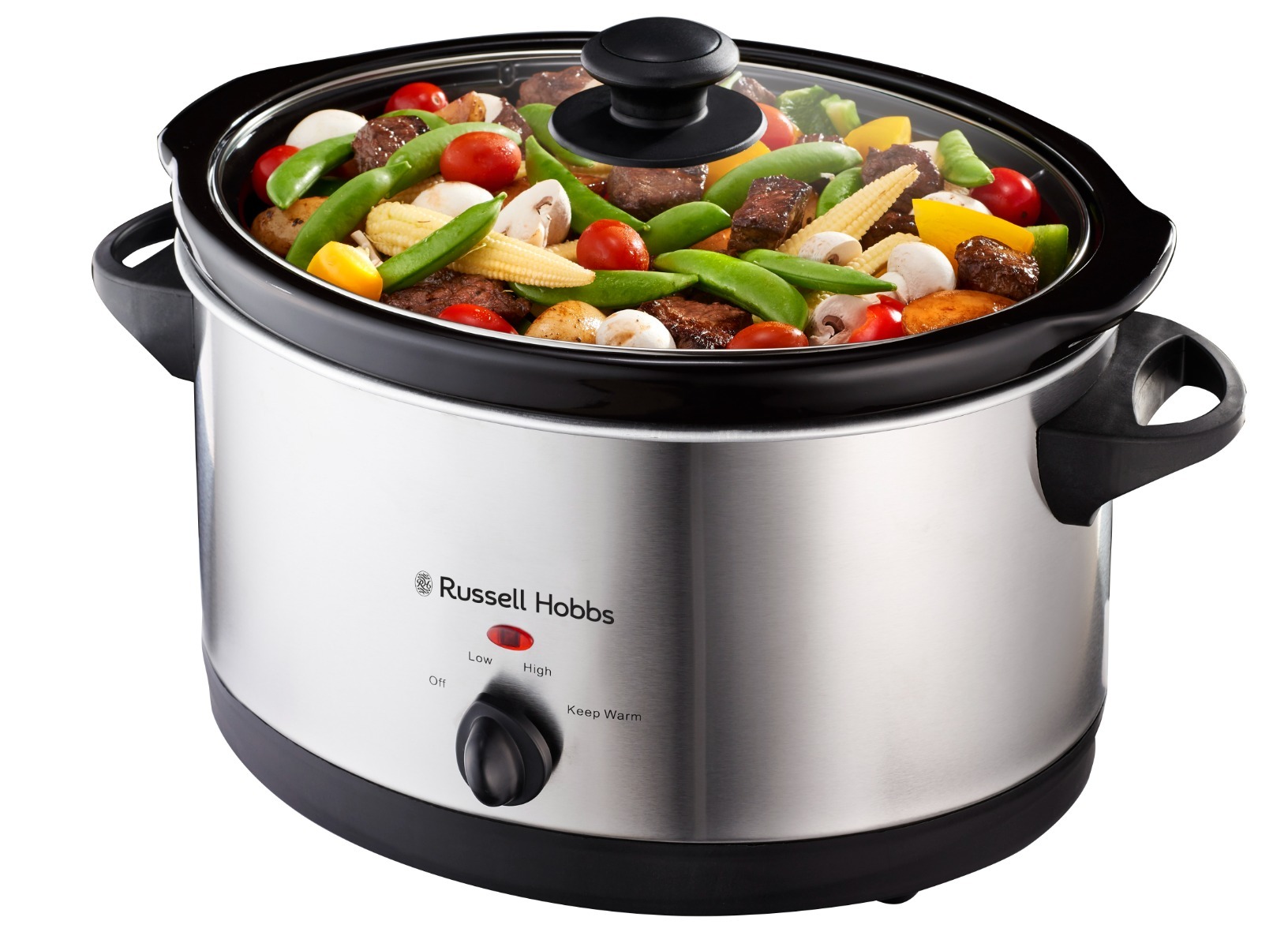
Superior Flavor Development
Slow cooking in a ceramic pot allows flavors to meld and deepen over hours. The low temperatures gently break down connective tissues in meats, making them incredibly tender, while vegetables soften and release their aromatic compounds, enriching the overall dish. The enclosed environment also means that liquids don’t evaporate quickly, concentrating flavors rather than diluting them. Imagine a rich beef stew or a fragrant chicken curry, each ingredient contributing harmoniously to a symphony of taste.
Effortless Cleanup
Most ceramic inserts are naturally non-stick (without the use of chemical coatings) and, crucially, dishwasher-safe. This makes post-meal cleanup a breeze. Gone are the days of scrubbing burnt-on food; a quick rinse and a cycle in the dishwasher, or a gentle hand wash with warm, soapy water, is usually all it takes to get your pot sparkling clean.
Durability for the Long Haul
While ceramic can be heavy and requires careful handling to prevent thermal shock (sudden temperature changes), it is an inherently durable material. A well-cared-for ceramic slow cooker can last for many years, becoming a trusted companion in your culinary adventures. Its robust construction is built to withstand repeated use, making it a reliable investment for your kitchen.
A Health-Conscious Choice
Concerns about chemical leaching from non-stick coatings have led many home cooks to seek healthier alternatives. Modern ceramic slow cooker inserts are predominantly made with lead-free glazes, addressing historical safety concerns. When choosing a new model, opting for reputable brands that specify lead-free materials ensures you’re cooking in a safe and non-reactive environment, promoting healthier meals for your family.
Understanding the Heart of Your Slow Cooker: Ceramic vs. Other Materials
While “slow cooker” is often used interchangeably with “Crock-Pot,” the type of insert material is a crucial distinction. Primarily, you’ll encounter ceramic (or stoneware) and metal inserts, often with non-stick coatings.
Ceramic vs. Non-stick Coatings
Many slow cooker inserts are made from aluminum or steel with a non-stick coating. While these can be lighter and easier to handle, non-stick coatings, particularly older generations, have raised concerns regarding chemicals like PFAS and PFOA. While newer ceramic-coated metal inserts are often free from these substances, the traditional ceramic or stoneware insert provides a naturally non-stick-like surface without any synthetic coatings, offering peace of mind for health-conscious cooks.
Ceramic vs. Metal Inserts
Metal inserts, usually made of stainless steel or coated aluminum, typically heat up faster and are lighter. A notable advantage of some metal inserts is their stovetop-safe design, allowing you to sear meats directly in the pot before slow cooking, a technique that can build foundational flavor. However, ceramic inserts generally excel in heat retention and provide more consistent, gentle heat from all sides. They typically cannot be used on the stovetop due to the risk of thermal shock and cracking. “For true ‘set-it-and-forget-it’ convenience and superior heat distribution, ceramic is often the preferred choice, especially if you don’t mind browning ingredients in a separate pan beforehand,” notes Chef Dubois.
It’s also worth clarifying that “stoneware” is actually a type of ceramic, fired at higher temperatures to make it denser, less porous, and incredibly durable. In the context of slow cookers, when manufacturers refer to “ceramic inserts,” they are almost always referring to these robust stoneware pots, which is why the terms are often used interchangeably.
Choosing Your Perfect Ceramic Slow Cooker
Selecting the right ceramic slow cooker can feel overwhelming with the myriad of options available. Here’s what to consider to find the perfect fit for your culinary needs:
Capacity Matters: Size It Up for Your Lifestyle
Slow cookers range from mini 1.5-quart models, perfect for dips or individual portions, to large 10-quart giants for feeding a crowd.
- 1.5-3 Quarts: Ideal for singles, couples, or side dishes and warm dips.
- 4-6 Quarts: The most popular size, suitable for families of 3-6 people, accommodating whole chickens or medium roasts.
- 7 Quarts and Up: Best for large families, entertaining, or meal prepping big batches of food.
Remember, a slow cooker works optimally when filled between half and three-quarters full, so choose a size that matches your typical cooking volume.
Shape for Success: Round or Oval?
Most ceramic slow cookers come in two primary shapes:
- Oval: Excellent for larger cuts of meat like roasts, whole chickens, or briskets, as these items tend to be longer than wide.
- Round: Ideal for soups, stews, chilis, baked goods, and side dishes.
Both shapes will cook effectively if the internal mechanism is sound, but considering the types of dishes you prepare most often can help narrow your choice.
Features to Look For: Modern Conveniences
While basic models are reliable, modern ceramic slow cookers offer a range of features that enhance convenience:
- Programmable Settings & Digital Timers: Allows you to set a specific cooking time and temperature, often automatically switching to a “keep warm” setting once cooking is complete. This is invaluable for busy schedules.
- Automatic Keep Warm Function: Ensures your food stays at a safe serving temperature without overcooking, perfect for when dinner time is flexible.
- Locking Lids: Essential for safely transporting your slow cooker to potlucks or gatherings, preventing spills.
- Temperature Probe: Some advanced models include a probe that can be inserted into meat to monitor its internal temperature, automatically adjusting the cooking process to prevent overcooking.
Safety First: Ensuring Lead-Free
Given the historical concerns, always look for explicit declarations of “lead-free glazes” or “food-safe ceramic” from reputable manufacturers. While regulatory bodies like Product Safety Australia haven’t recalled slow cookers due to unsafe lead levels, the best practice is to purchase newer models from trusted brands, as they have largely transitioned to safer production methods. Older slow cookers from the 1990s or earlier should be replaced if there’s any concern about potential lead leaching.
Mastering the Art of Slow Cooking with Ceramic
Even with the best ceramic slow cooker, a few tips and techniques can elevate your results from good to gourmet.
Essential Techniques for Optimal Results
- Don’t Preheat (Usually): Unlike an oven, most traditional slow cookers are not designed for preheating. Simply add your ingredients.
- Mind Your Liquids: Slow cookers retain moisture incredibly well. When adapting conventional recipes, you often need to reduce the liquid by about one-third to one-half. Too much liquid can result in a watery dish.
- The Power of the Lid: Resist the urge to peek! Lifting the lid allows heat to escape, extending cooking time significantly (by about 20-30 minutes each time). Keep it on to maintain consistent temperatures and trap moisture.
- Avoid Thermal Shock: Ceramic is robust but susceptible to sudden temperature changes. Never put a hot ceramic insert under cold water or place a frozen insert directly into a hot base. Allow it to cool gradually before washing, or bring refrigerated ingredients to room temperature before cooking, if possible. “Treat your ceramic insert like fine glassware—it thrives on gradual temperature changes,” advises Chef Dubois.
- Fill It Up (but not too much): For best results and even cooking, ensure your ceramic pot is at least half-filled, but no more than three-quarters full.
Recipe Adaptation and Preparation
- Browning for Flavor: While ceramic inserts don’t typically allow for searing, browning meat in a separate pan before adding it to the slow cooker can significantly enhance the depth of flavor through the Maillard reaction. This extra step is worth it for dishes like beef stew or pulled pork.
- Layering Ingredients: Place denser, slower-cooking vegetables like carrots and potatoes at the bottom, closer to the heat source, followed by meats, and then faster-cooking ingredients like delicate vegetables or herbs on top.
- Red Beans Safety: Uncooked red kidney beans contain a toxin (phytohaemagglutinin) that must be neutralized by boiling. Always soak and boil dried red kidney beans for at least 10 minutes on the stovetop before adding them to your slow cooker.
Delicious Dishes for Your Ceramic Companion
The possibilities with a ceramic slow cooker are virtually endless. Here are a few popular dishes that truly shine with this cooking method:
- Hearty Beef Stew: Tender beef, rich broth, and perfectly cooked root vegetables.
- Pulled Pork/Chicken: Ideal for sandwiches, tacos, or salads, cooked to shreddable perfection.
- Chili & Soups: Deeply flavorful and comforting, perfect for feeding a crowd.
- Roast Chicken: Surprisingly moist and tender, especially when cooked with vegetables.
- Creamy Mac and Cheese: A hands-off way to achieve gooey, cheesy goodness.
- Baked Potatoes: Soft, fluffy interiors with minimal effort.
Keeping Your Ceramic Slow Cooker Pristine: Care and Maintenance
Proper care ensures your ceramic slow cooker remains a star in your kitchen for years to come.
Daily Cleaning
- Cool Down First: Always allow the ceramic insert to cool completely before cleaning.
- Gentle Cleaning: Wash the ceramic pot and lid with warm, soapy water. Most are dishwasher-safe, but handwashing with a soft sponge or cloth and non-abrasive dish soap is often recommended to extend its lifespan.
- Remove Residue: For stubborn bits, use a rubber spatula to gently scrape away food residue. Avoid abrasive cleaning compounds, scouring pads, or steel wool, as these can scratch the ceramic surface.
- Tackle Stains: Water spots or light stains can often be removed with a non-abrasive cleaner or a solution of vinegar and water.
Deep Cleaning for Longevity
For a thorough clean, especially if you have cooked on residue:
- Fill your ceramic slow cooker with water just above the leftover food line.
- Add 1/2 cup of distilled white vinegar for a 3-quart cooker, or 1 cup for a 6-quart cooker.
- Slowly add 1/2 to 1 cup of baking soda (it will fizz). Let the bubbles subside.
- Cover and set your slow cooker to LOW for 1 hour.
- After an hour, turn it off, let it cool, then gently clean with a soft sponge. Wash with warm, soapy water and dry thoroughly.
Protecting Your Investment
- Handle with Care: The ceramic pot is heavy and can break if dropped. Always use oven mitts when handling a hot insert.
- Storage: Ensure all parts are completely dry before storing. Store the ceramic pot inside the heating unit with the lid on, or separately in a safe place where it won’t be chipped or cracked. Never immerse the heating base in water.
Frequently Asked Questions About Ceramic Slow Cookers
Are all ceramic slow cookers lead-free?
While most modern ceramic slow cookers from reputable brands use lead-free glazes, it’s always wise to check the product specifications or manufacturer’s information for explicit confirmation. Older models, particularly those manufactured before the late 1990s, may contain lead in their glazes.
Can I brown meat directly in my ceramic slow cooker?
Typically, no. Traditional ceramic inserts are not designed to withstand the high heat of a stovetop burner for searing. Attempting to do so can lead to thermal shock and cracking of the ceramic. For dishes that benefit from browning, it’s best to sear the meat in a separate pan before transferring it to the slow cooker. Some newer, multi-cooker models may have stovetop-safe inserts, but these are often metal with a ceramic coating, not traditional ceramic stoneware.
Can I put a cold ceramic insert from the refrigerator directly into the hot slow cooker base?
It is strongly recommended to avoid extreme temperature changes. Pouring cold ingredients into a hot ceramic pot or placing a cold ceramic insert directly into a hot base can cause thermal shock, leading to cracks or even shattering. Allow refrigerated ingredients and the ceramic insert to come closer to room temperature before starting the cooking process.
How full should I fill my ceramic slow cooker?
For optimal results and even cooking, your ceramic slow cooker should be filled at least half full, but no more than three-quarters full. Filling it too little can cause food to cook too quickly or unevenly, while overfilling can lead to spills and inadequate cooking.
What’s the difference between a ceramic and a stoneware slow cooker?
In the context of slow cookers, “ceramic” and “stoneware” are often used interchangeably to describe the insert material. Stoneware is a specific type of ceramic that is fired at higher temperatures, making it denser, less porous, and more durable than other types of ceramic. This makes it an ideal material for slow cooker inserts due to its excellent heat retention properties.
Embrace the Art of Slow Cooking
The ceramic slow cooker is more than just a convenience appliance; it’s an invitation to savor the flavors of home-cooked meals without the daily stress. As Chef Léa Dubois often says, “Slow cooking isn’t just a method; it’s a philosophy – one that champions patience, rich flavors, and healthy eating.” With its superior heat distribution, easy cleanup, and ability to transform simple ingredients into extraordinary dishes, a ceramic slow cooker is an indispensable tool for anyone seeking to bring delicious, wholesome food to their table with minimal effort.
We at Reviewhalloo.com encourage you to explore the vast world of slow cooking. Invest in a quality ceramic slow cooker, experiment with new recipes, and discover how this incredible appliance can enhance your culinary journey, offering you more time to enjoy life’s precious moments while still delighting your family with incredible food. Happy slow cooking!